Acclimating in Cusco: 5-Day Travel Guide
Best Time to Visit: Spring or Fall
Getting There: Fly from Lima
How Long to Stay: 3-5 days
Altitude: 3,400 metres (11,150 ft.)
Short on Time Must-Dos
Visit Saqsaywaman
Try Peruvian ceviche & a pisco sour
Wander Mercado Central de San Pedro
In September of 2024, I travelled to Peru to hike the Salkantay Trek to Machu Picchu and it was easily one of my favourite trips ever. Due to the high altitude, we spent five days in Cusco acclimating before hitting the trail, but I easily could have stayed longer.
Commonly referred to as the “Navel of the World”, Cusco is thought to be the oldest continuously inhabited city in the Americas. Full of ancient history, incredible food, beautiful landscapes, and so many potatoes, you’ll be happy you came!
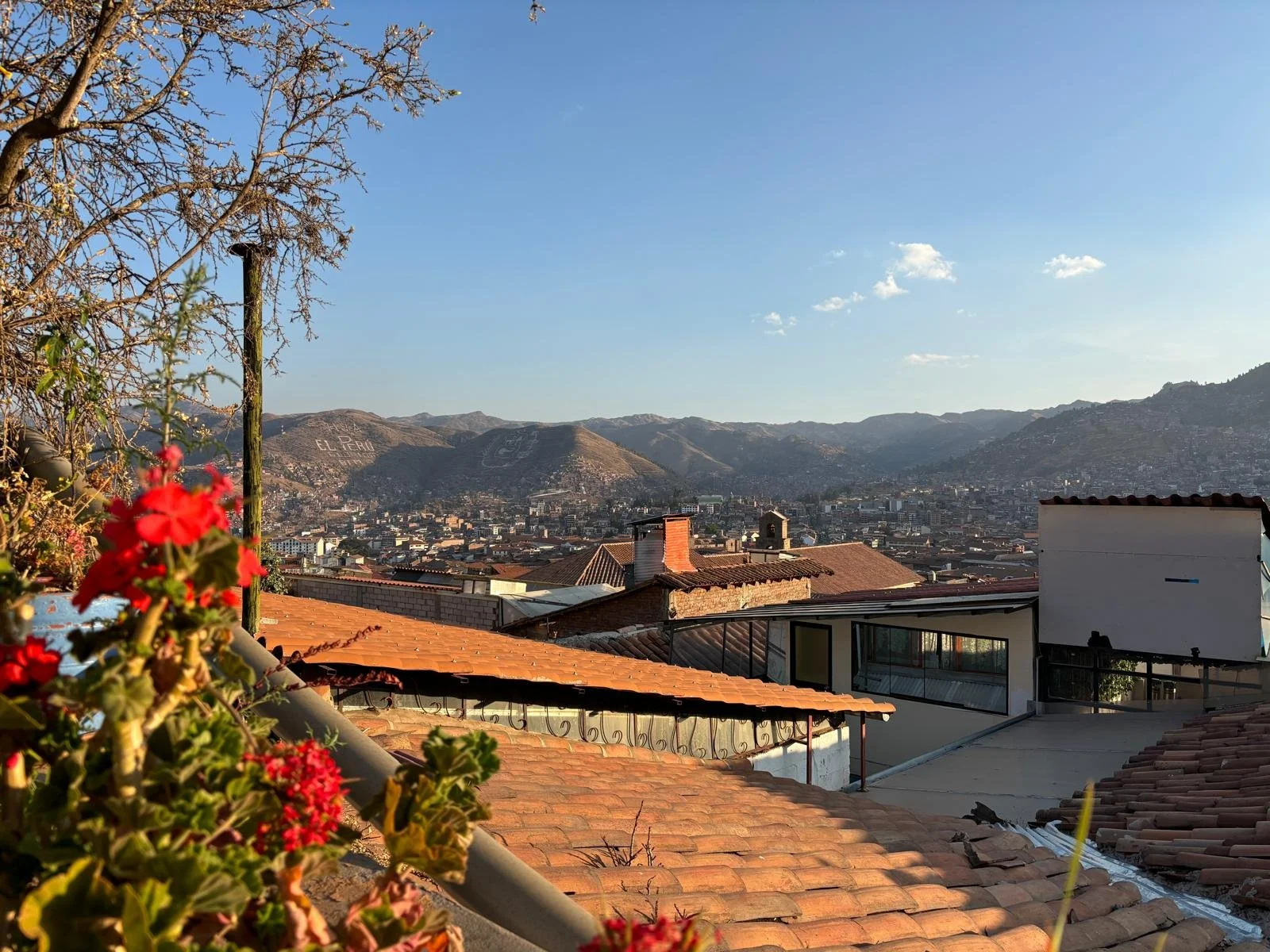
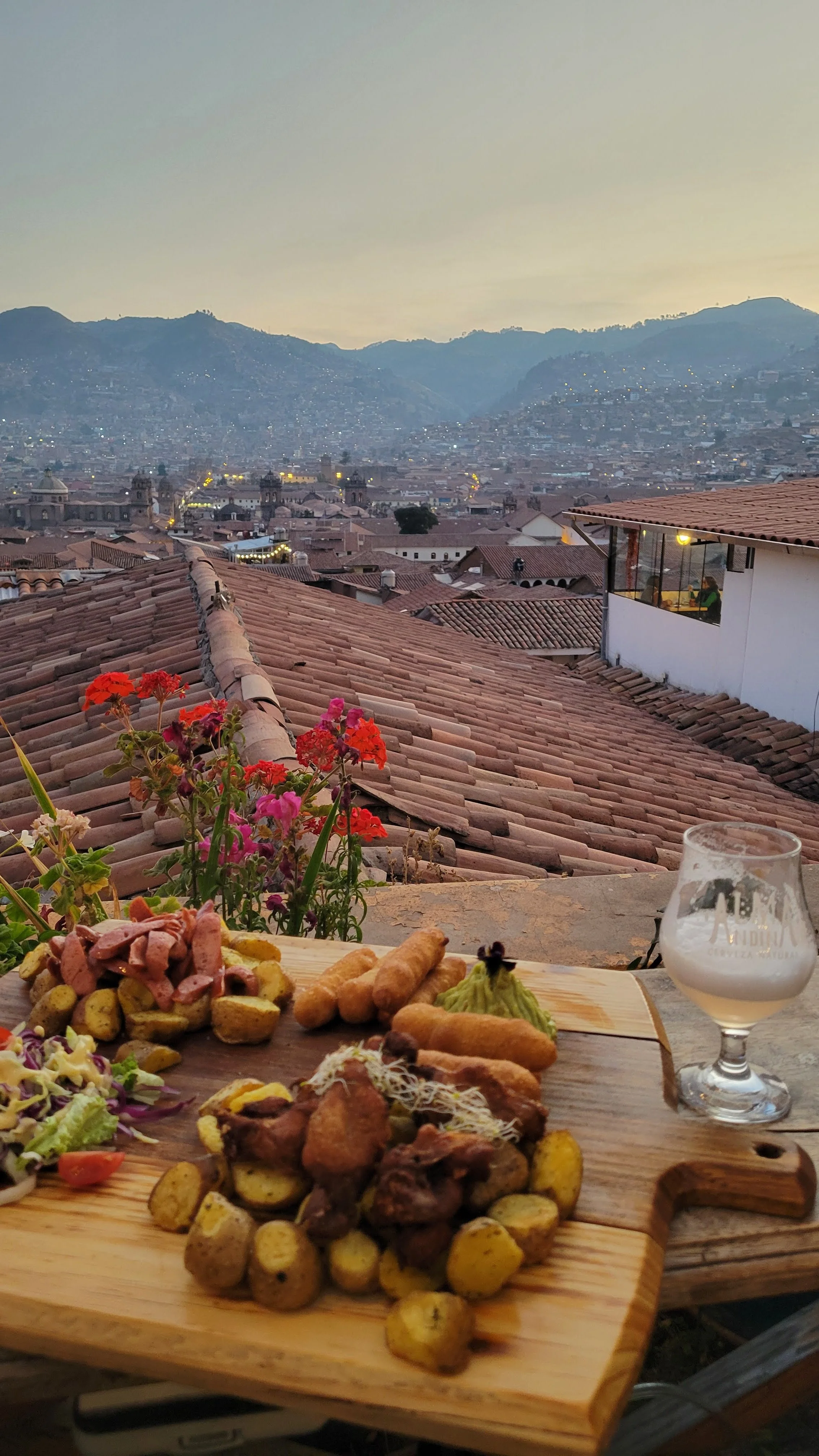
View of Cusco from Aura’s rooftop balcony
Avoiding Altitude Sickness
When you’re scheduling your trip, make sure you plan a few slower days at the start of your visit to acclimatize. We gave ourselves 5 days in Cusco before our hike, and still my mom got hit with a nasty bout of altitude sickness that lingered into the first day of our hike. It was really miserable. There’s no sure-fire way to guarantee you avoid it, but the following should help…
Dos: coca tea, low-energy activities, hydrate, take your meds
Don’ts: red meat, too much alcohol, overexertion
What to Do
Plaza de Armas
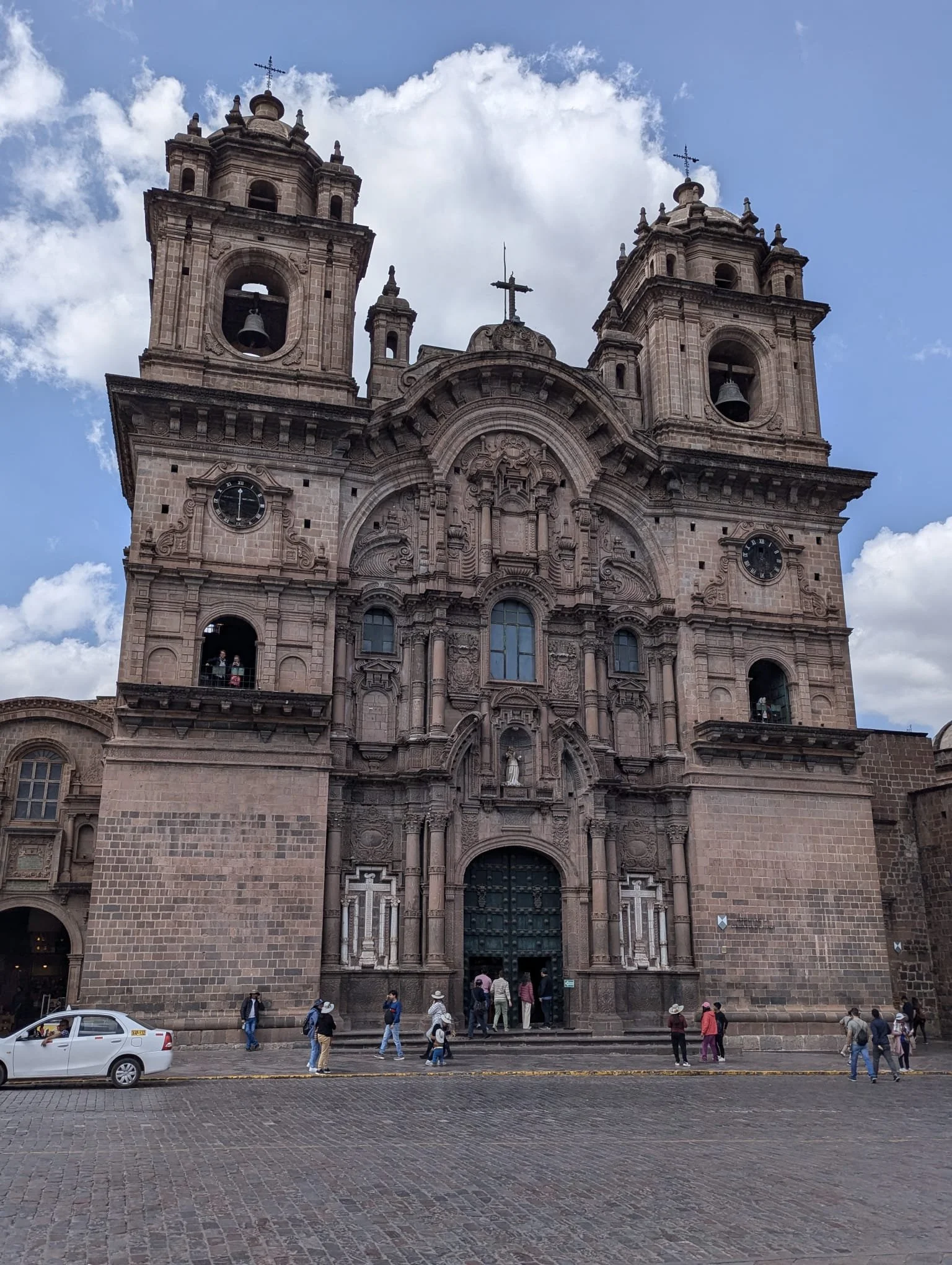
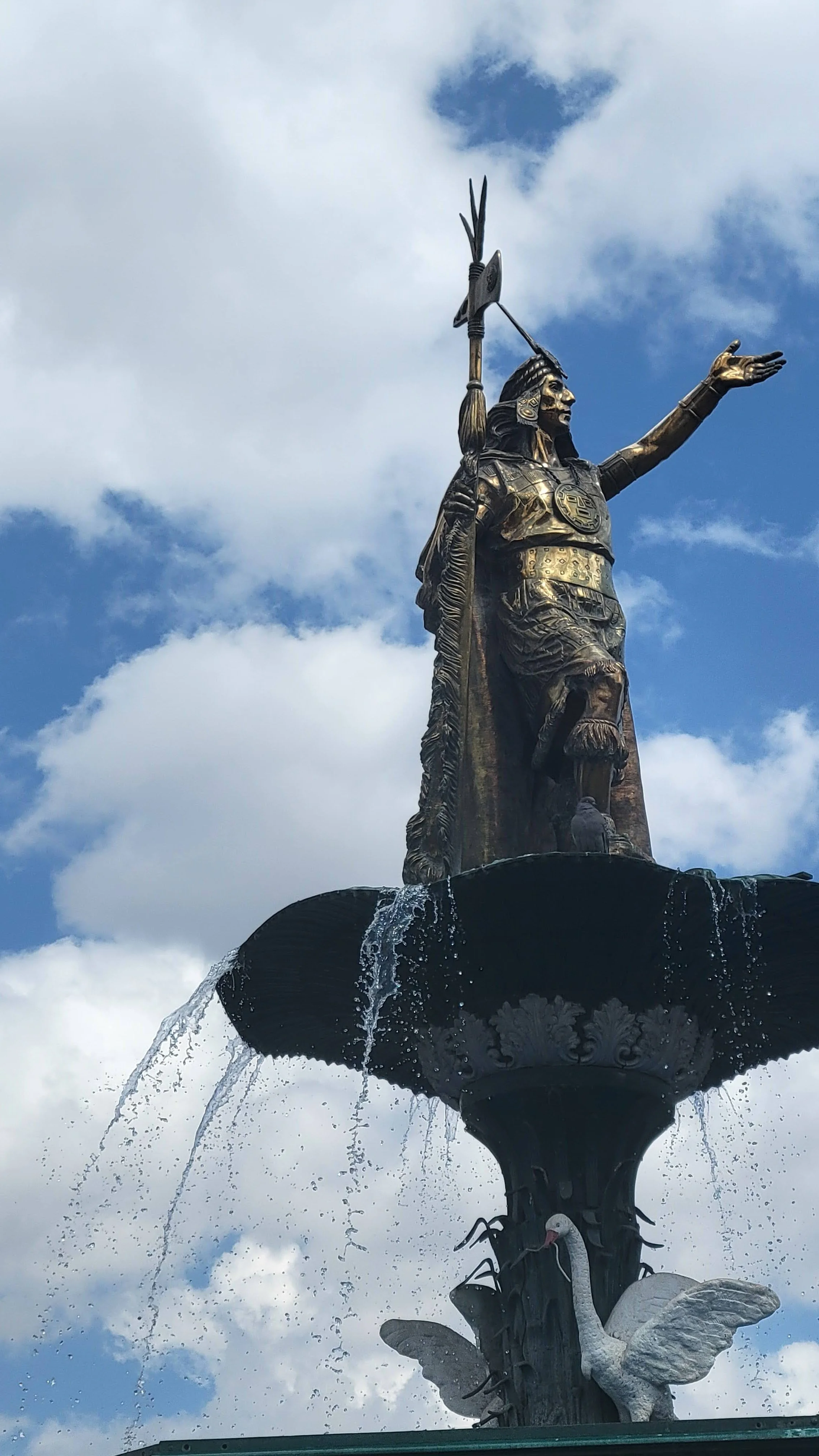
Plaza de Armas is the cultural centre of the city — and walking distance from most of the things on this list! Surrounded by Catedral del Cusco, Templo de la Compañía de Jesús, and a healthy selection of restaurants, the square is bustling with life all the time.
If you’re taking any tours, familiarize yourself with the square because most leave from here!
Arco de Santa Clara
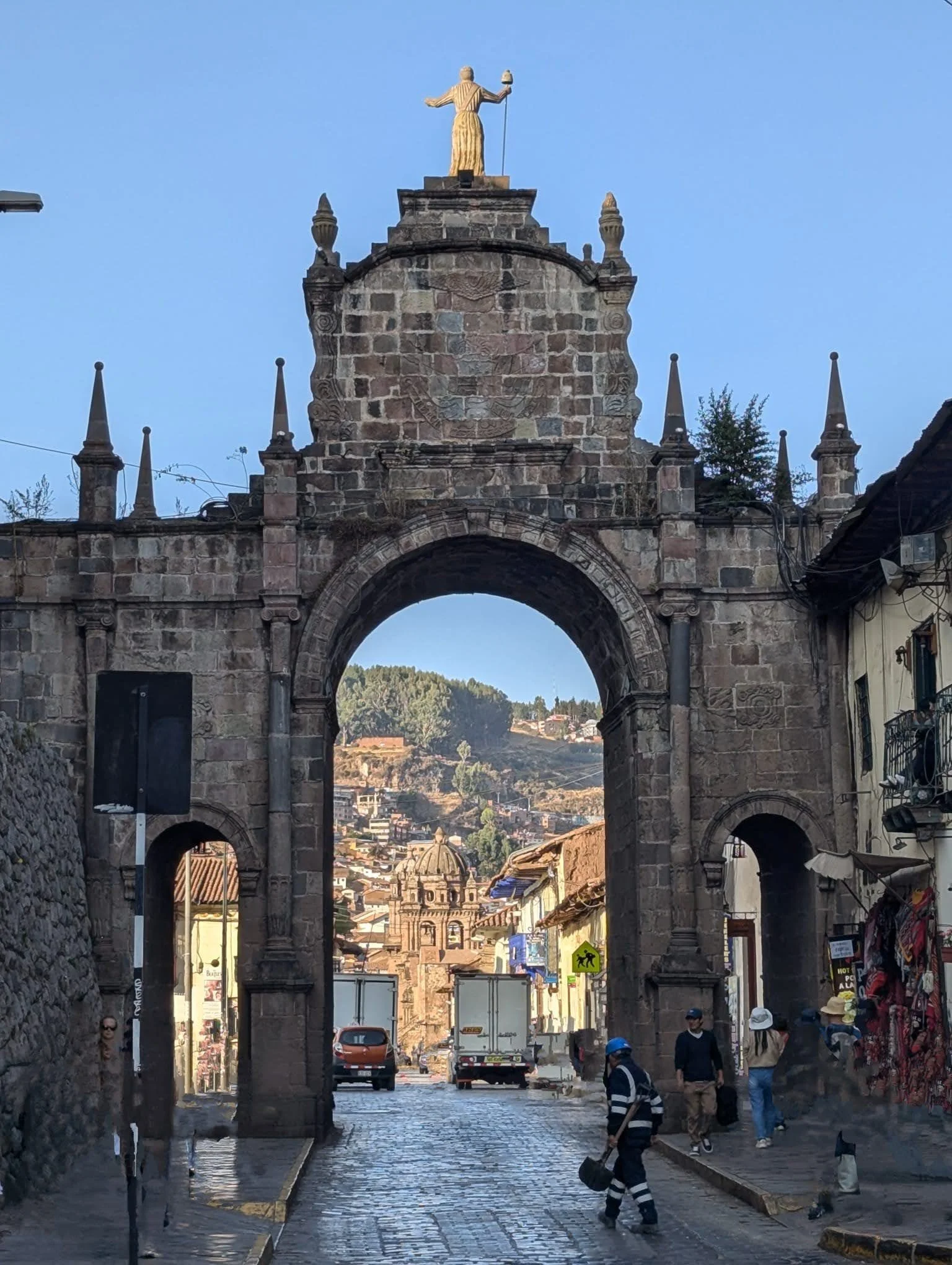
Built in the 1830s, the arch is steps away from Plaza de Armas. Whether you pass it during the day (when you can take in the view of the hills in the distance), or at night when it’s lit up, it’s sure to draw your attention.
Mercado Central de San Pedro
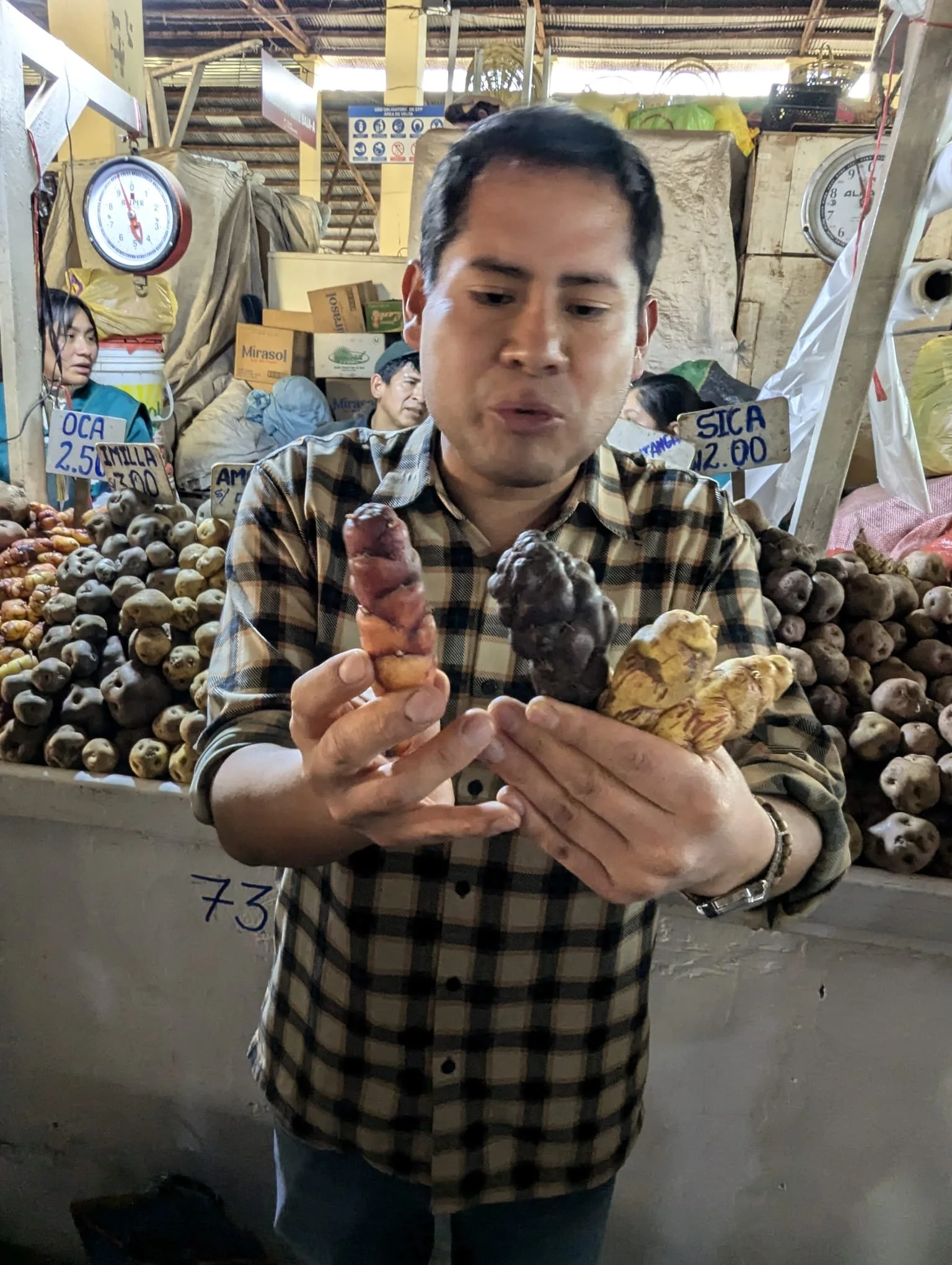
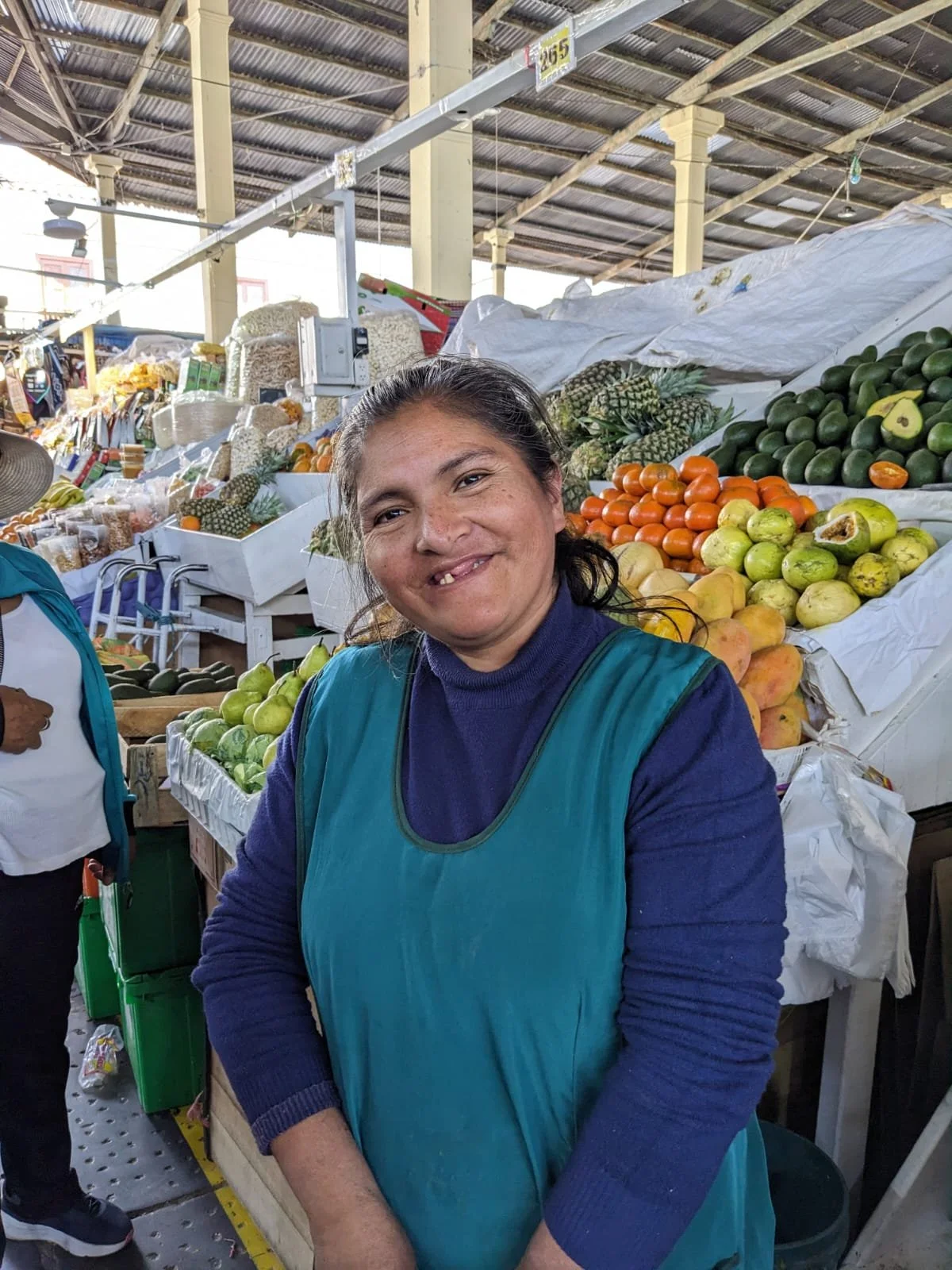
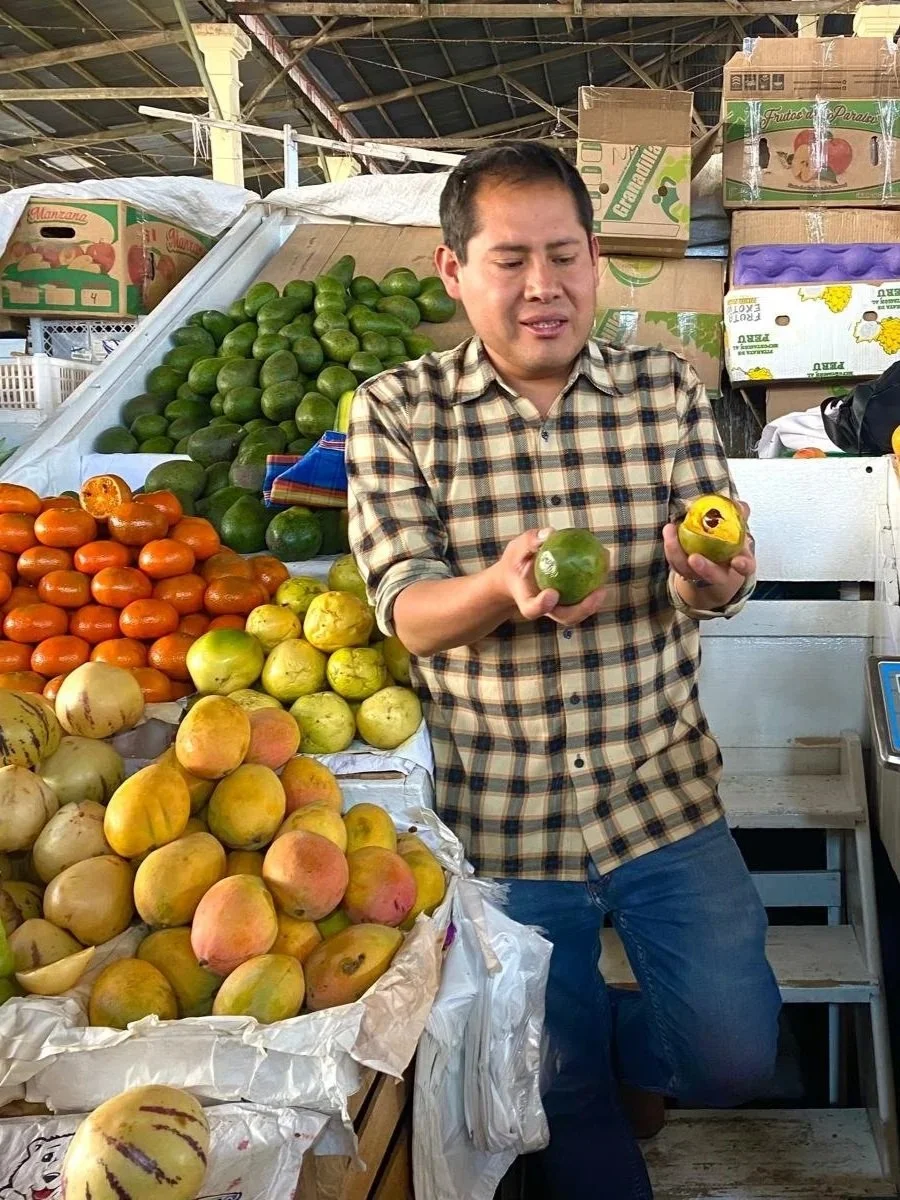
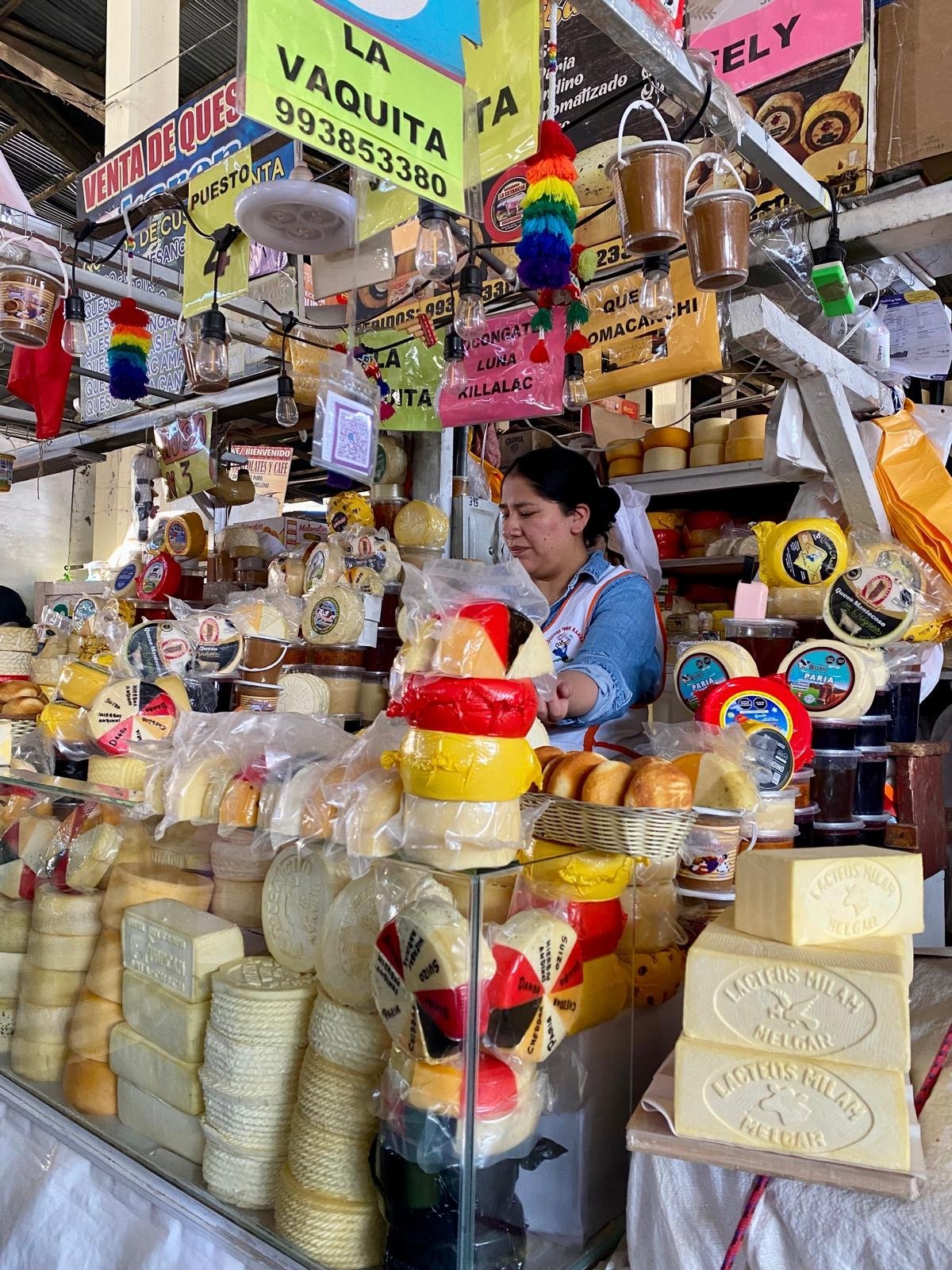
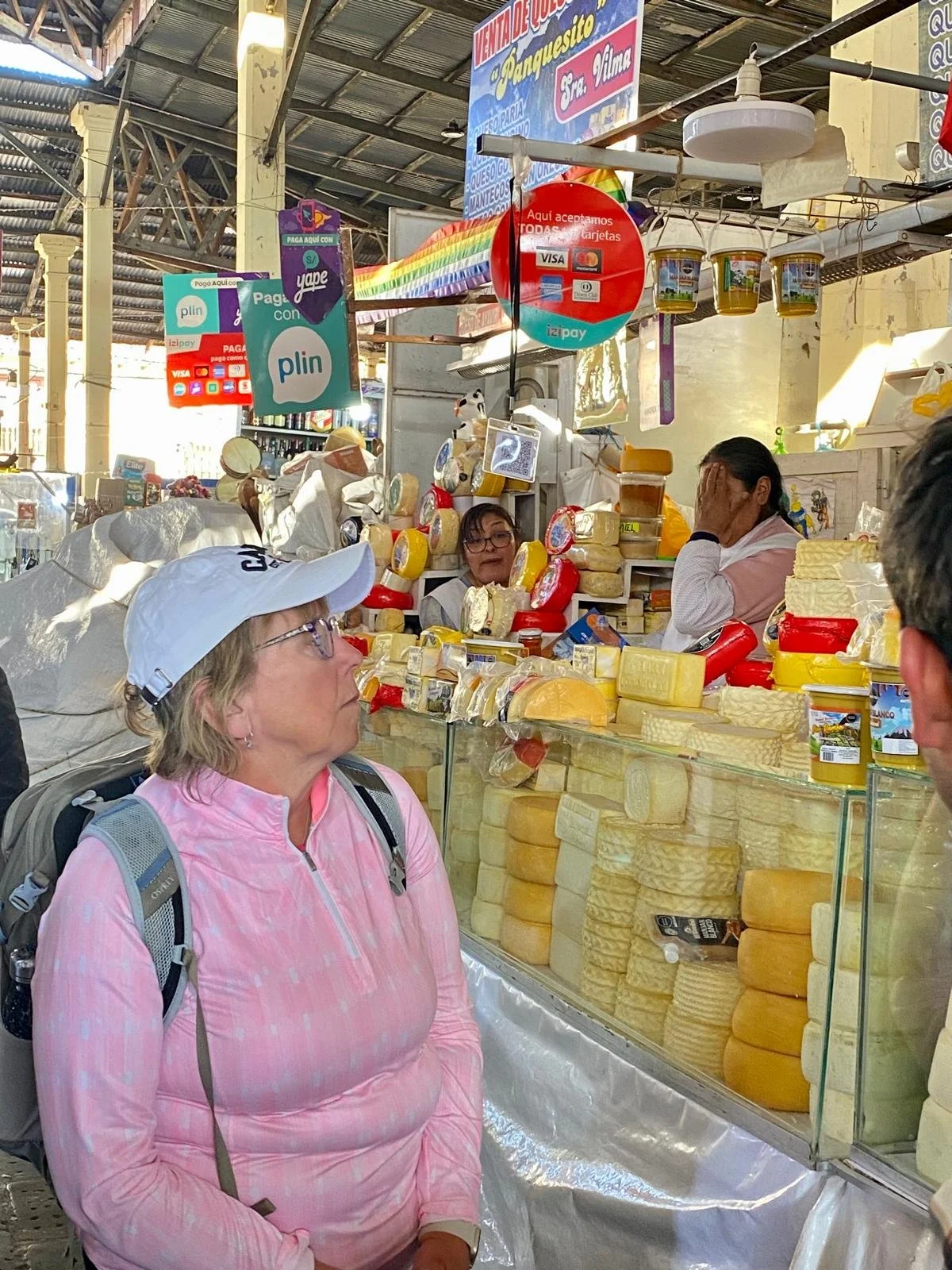
Designed by Gustav Eiffel — yes, the same Eiffel as the Eiffel Tower — and built in 1925, the Mercado Central de San Pedro is the largest market in Cusco and has so much to see. You can find everything from souvenirs to fresh fruits, endless types of potatoes to dried alpaca fetuses (yes, really), which are believed to bring good luck when hung outside of a home.
Take some time to wander through the stalls and see what there is for sale.
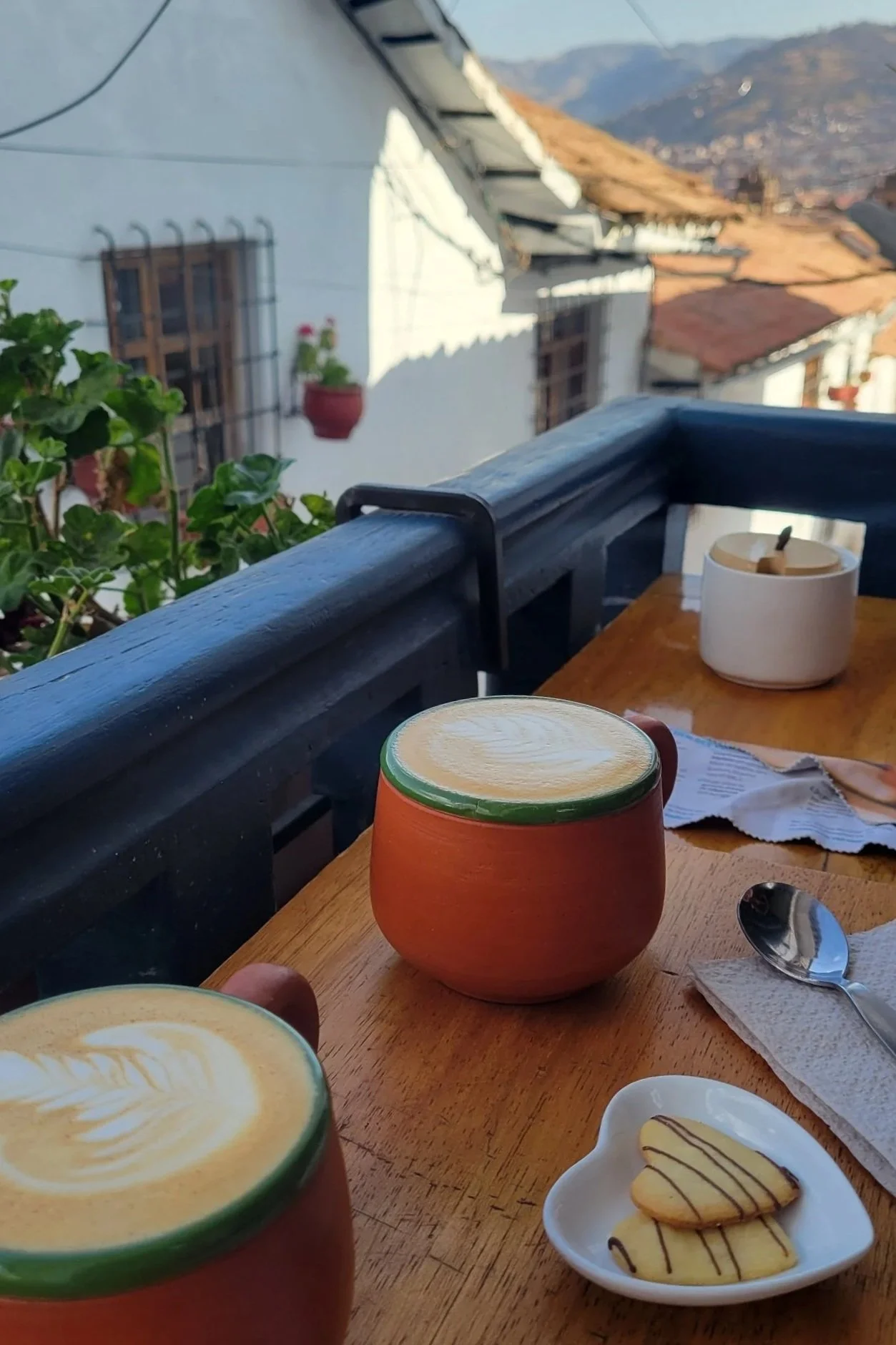
Grabbing coffee in San Blas
Explore San Blas
Charming, picturesque, and artsy, the neighbourhood of San Blas welcomes you in. Find boutiques, restaurants, and beautiful streets while you explore this section of Cusco.
Looking for a good cup of coffee? Check out L'atelier Cafe-Concept. Downstairs is a shop, upstairs is a cafe. If it's not taken, there's a two-person table out on a small balcony with a nice view.
Qorikancha*
Prior to Spanish invasion, the walls and floors of Qorikancha were covered in gold and it is believed to have been one of the most important temples in the Inca Empire. After the arrival of the Spaniards, most of the temple was destroyed as pieces were removed for building the homes and churches of the invaders. Today, a few rooms of the original temple with their meticulous masonry still survive.
Visit Saqsaywaman
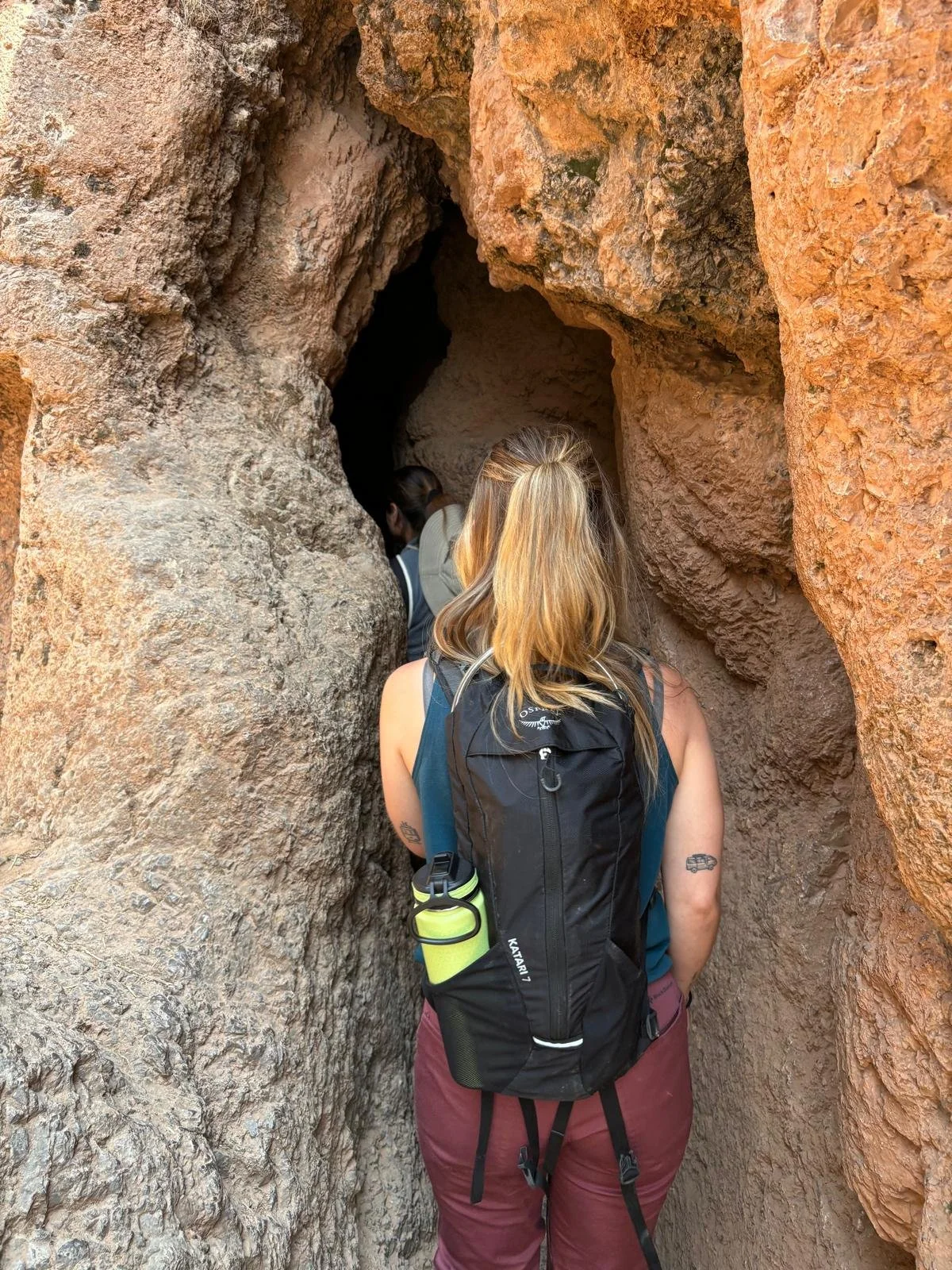
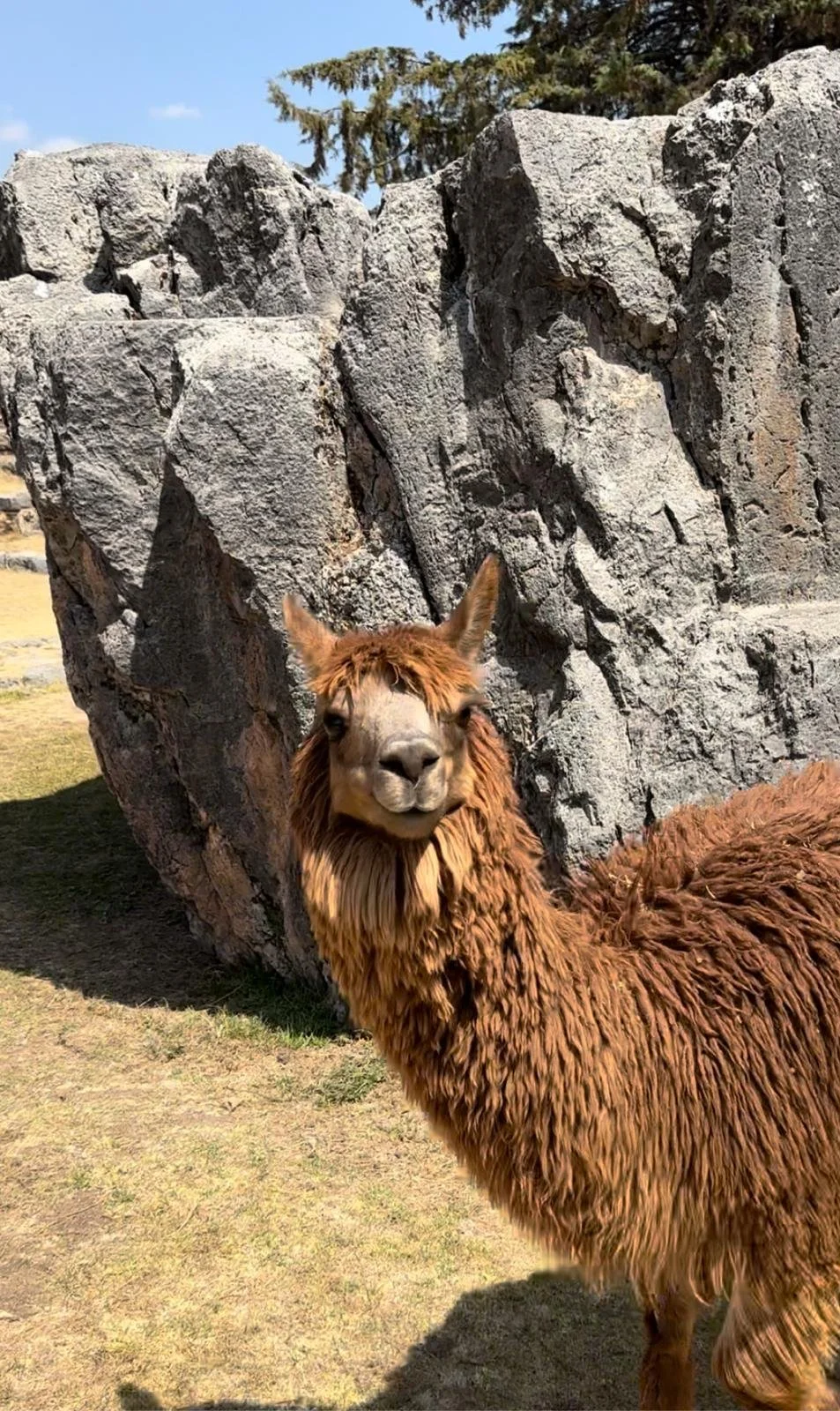
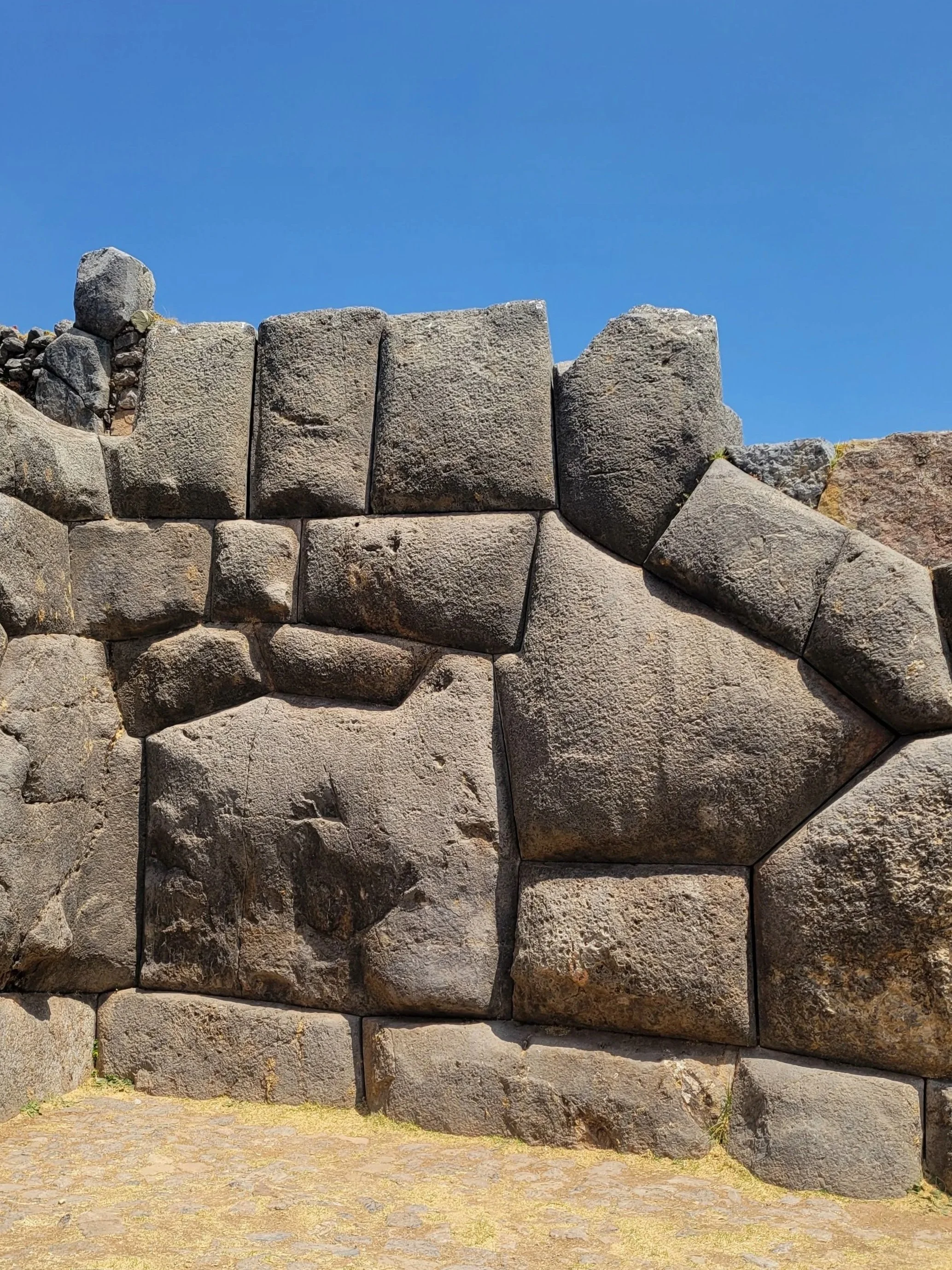
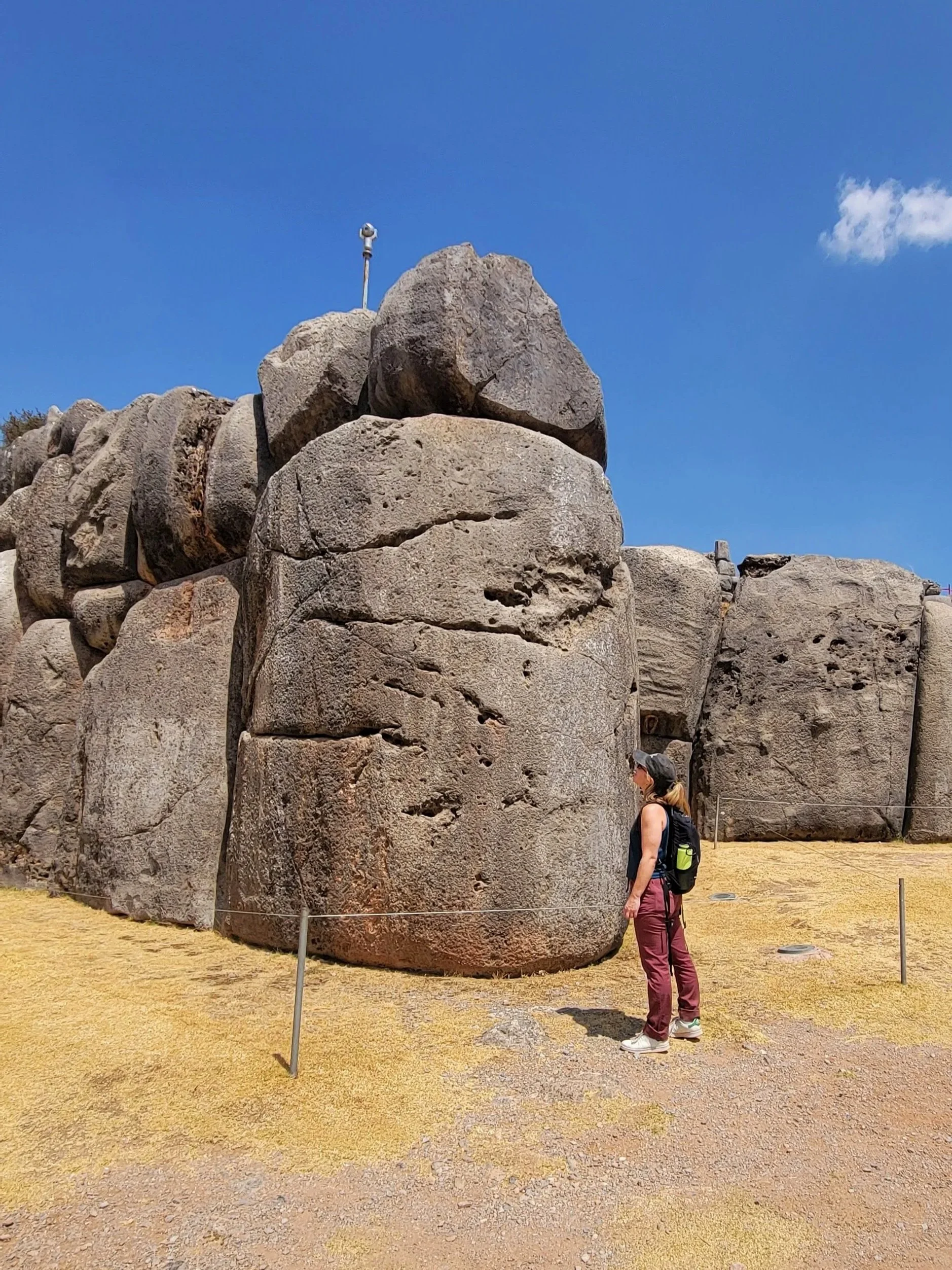
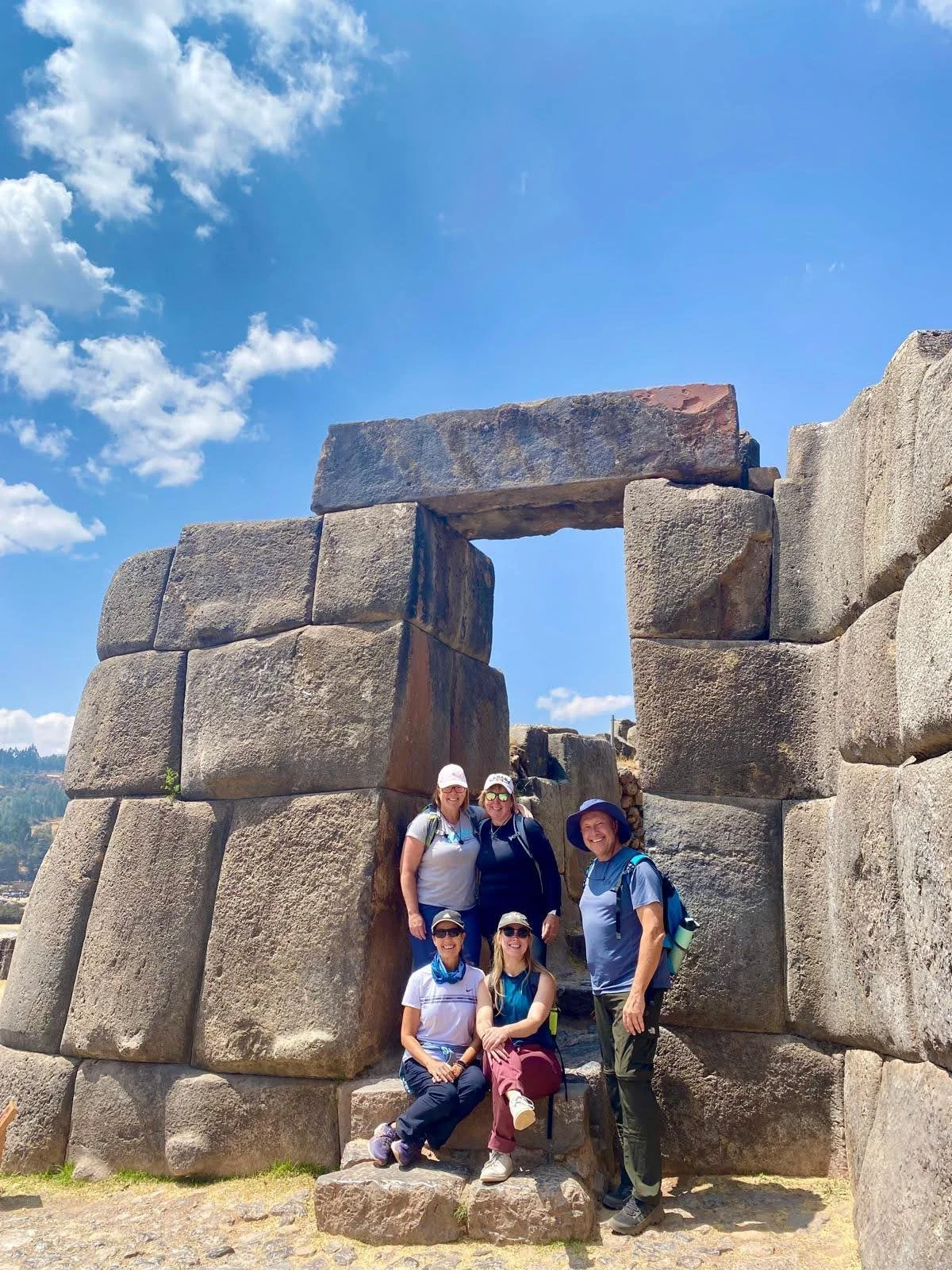
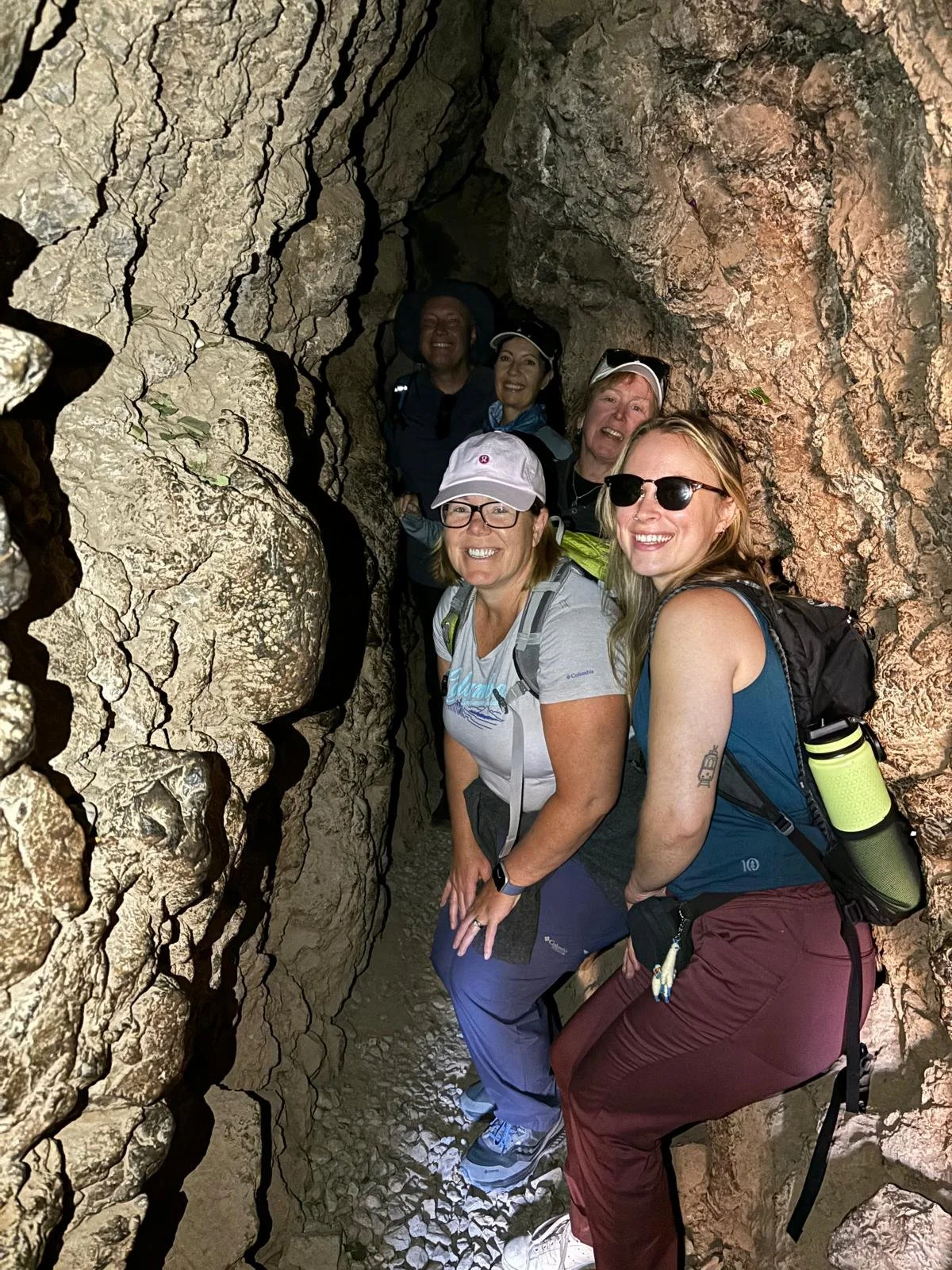
If you want to be blown away by the building capabilities of an ancient civilization, do not skip Saqsaywaman (Sacsayhuaman/Saksaywaman). The centuries-old citadel overlooks Cusco, sitting at 1,127 metres (3,700 ft.) above sea level.
Built in the 15th century out of truly massive stones — some up to 5 metres (16.4 ft.) tall, 2.5 metres (8.2 ft.) wide, and as heavy as 125 tonnes — Saqsaywaman is an incredible display of ancient engineering. It is believed, based off of the rock compositions, that some were hauled to the site from as far as 20 kilometres (12.4 mi.) away.
In 1536, a terrible battle between the Inca and Spanish invaders took place. When the Spaniards won, they pillaged nearly half of the stones used on the site for their rebuilding of Cusco. If you think the citadel is impressive now, imagine what it would have been like to stand there before half of it was removed!
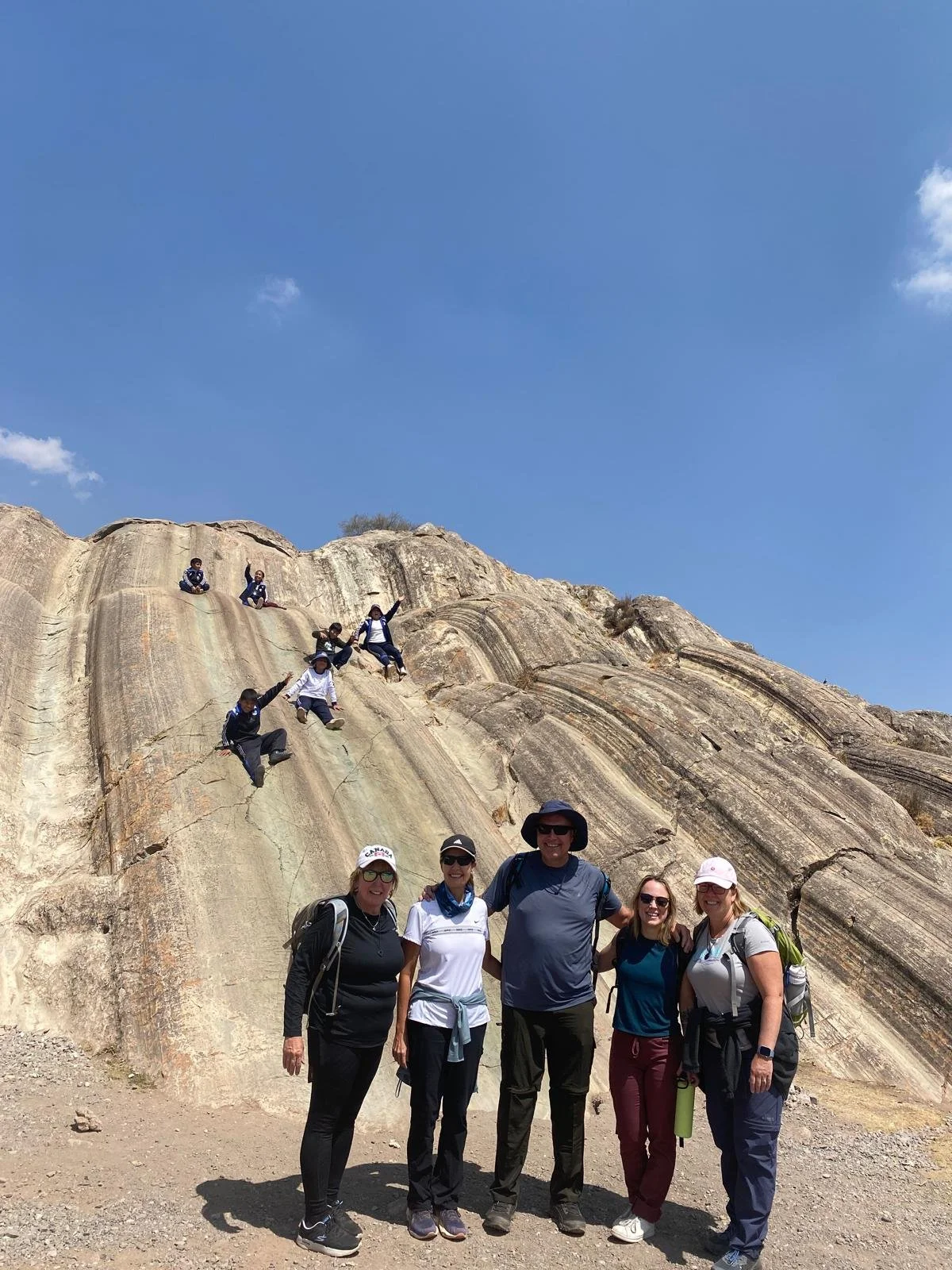
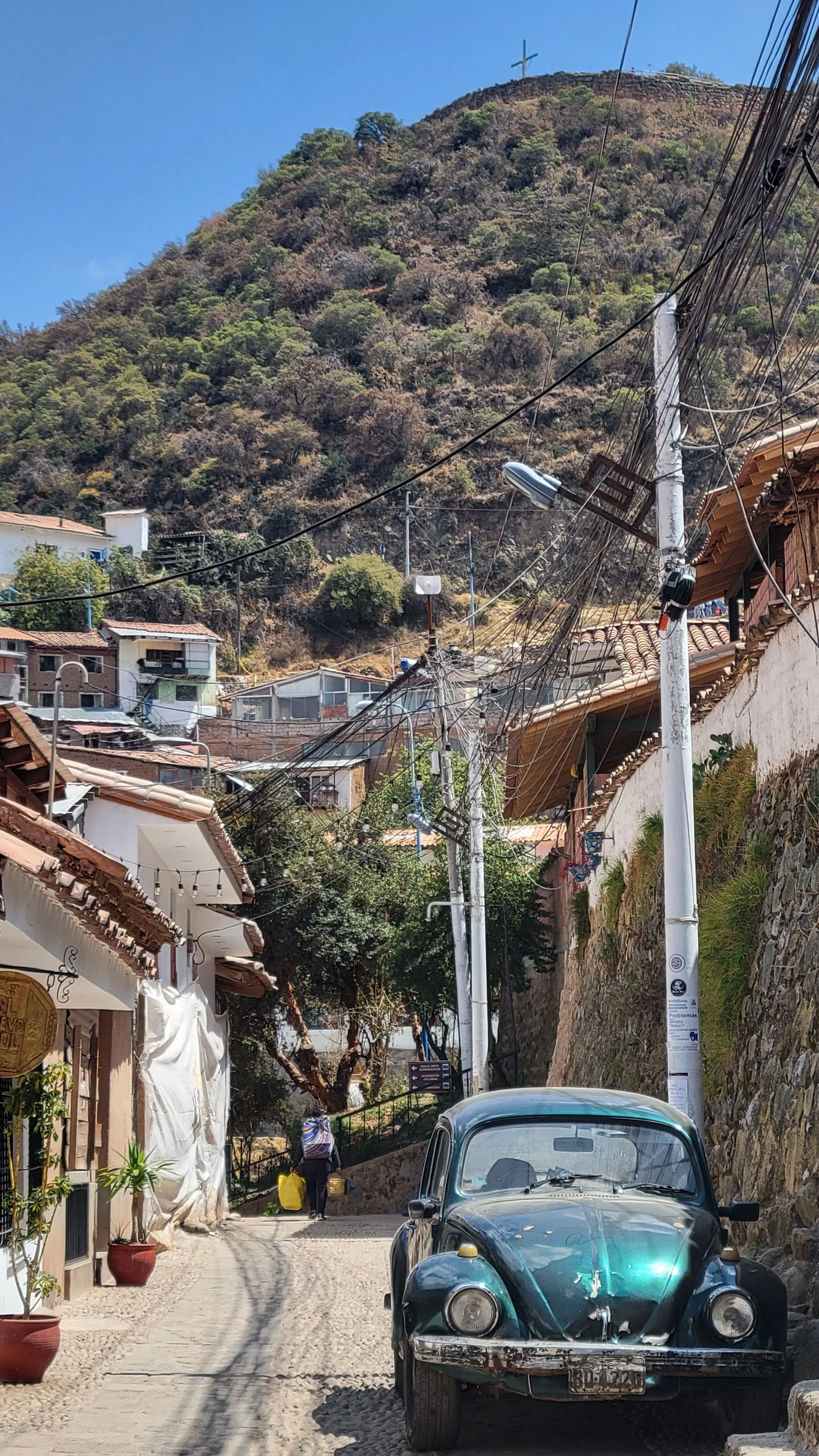
One of many VW beetles in Cusco
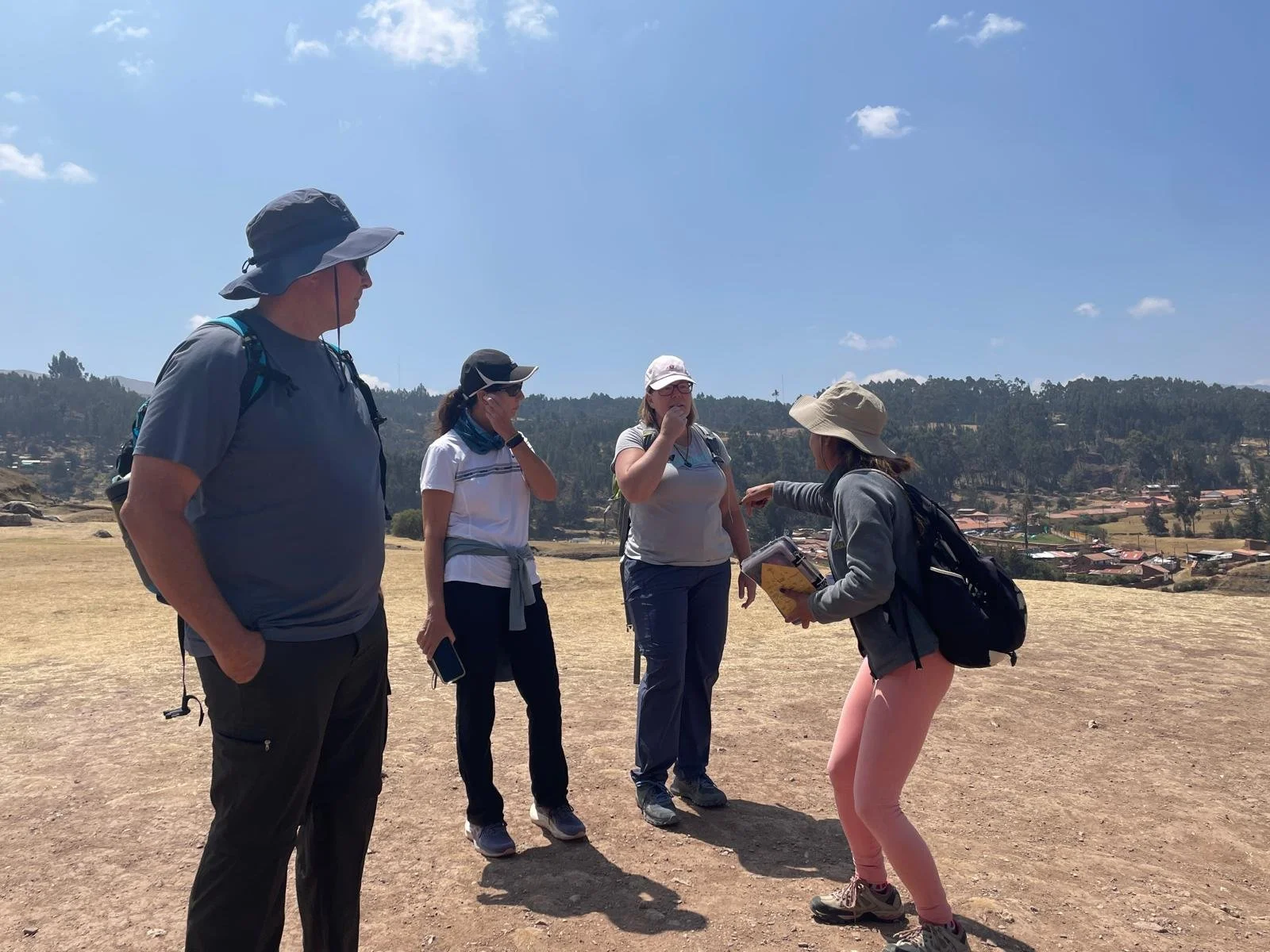
If you’re planning to visit, you can get there on foot (about 45 min-1 hour) from Plaza de Armas, or you can catch a taxi. We were staying near Qorikancha, and decided to take a taxi up and walk down to avoid overexerting ourselves with the altitude. The cab was under $10 (CAD).
There is so much more about this site that I could probably make an entire post dedicated to it because I’ve only barely scratched the surface!
Go On a Walking Tour
There are plenty of walking tours that leave from Plaza de Armas a few times a day and are a great way to learn about the rich history of the city. We signed up for a free tour which took us all around the city — without exhausting us while we were acclimating — and ended with free pisco sours!
Views & Photo Ops
Need a couple pics for your socials? The following is a list of easy stops to add while you’re exploring the city.
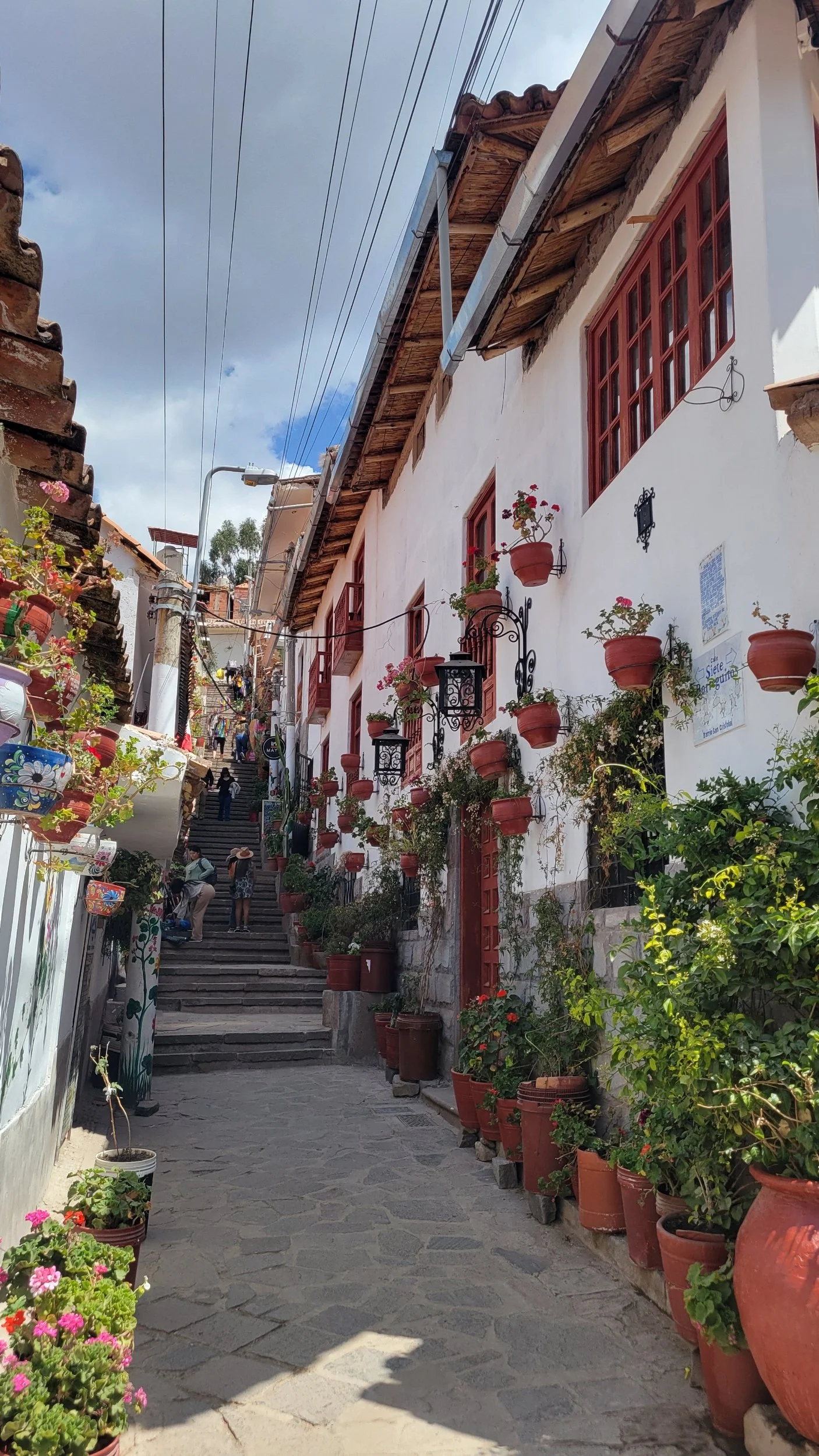
Calle Siete Borreguitos
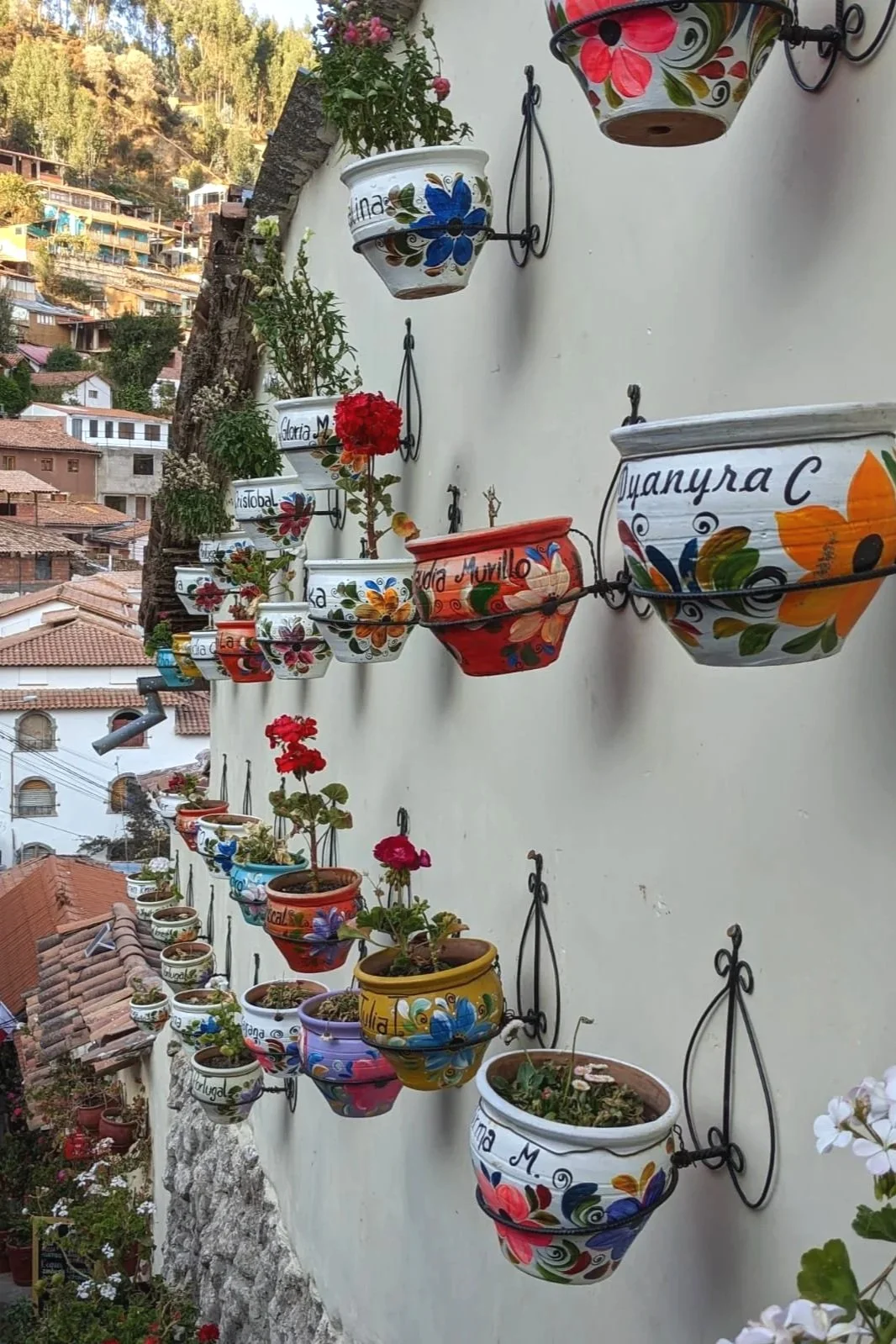
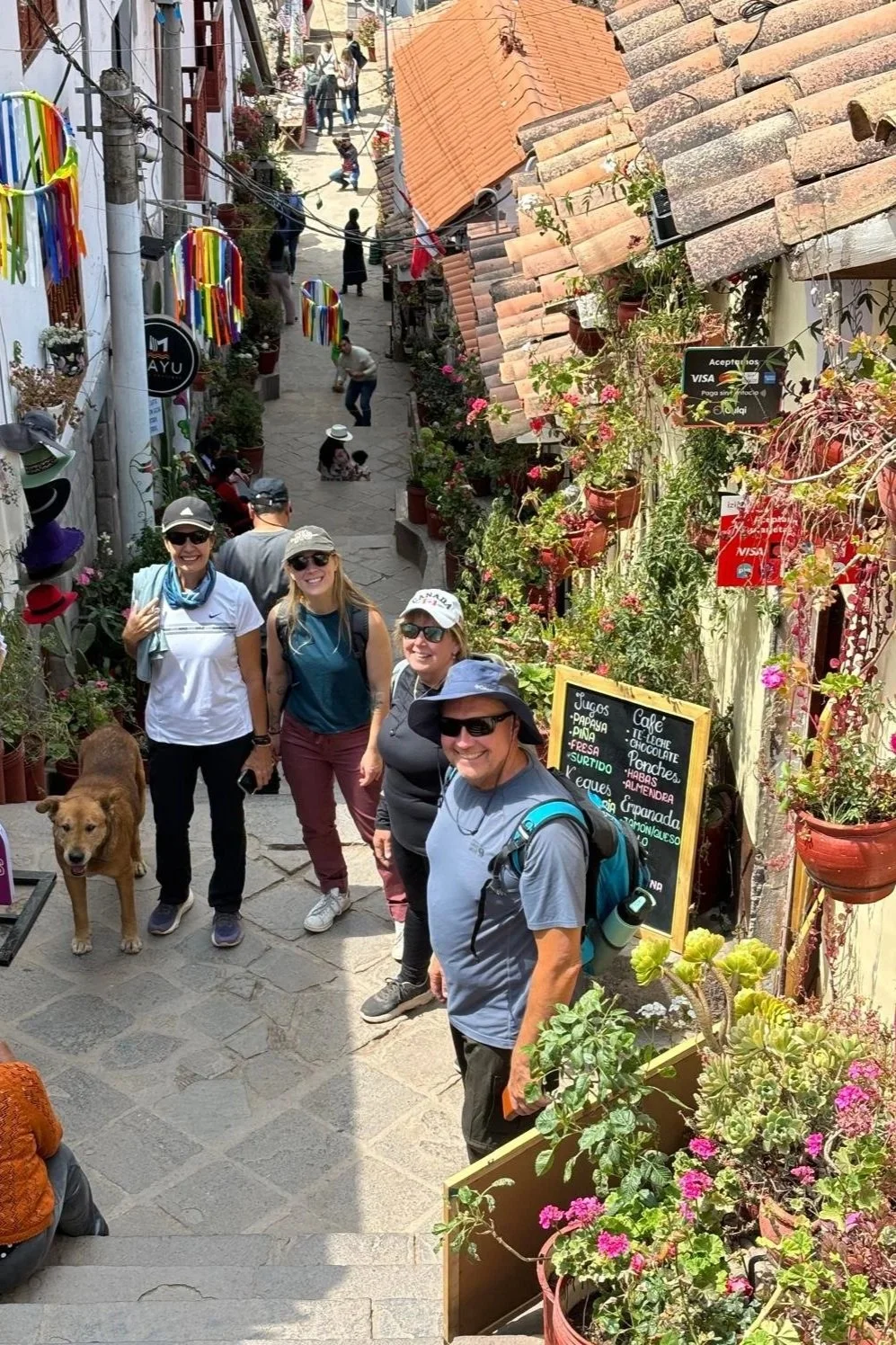
Known for being the most picturesque street in Cusco, Calle Siete Borreguitos leads up a set of stairs lined with white-washed buildings, hanging pots, and tons of plants. The place is vibrant and beautiful and definitely worth walking through.
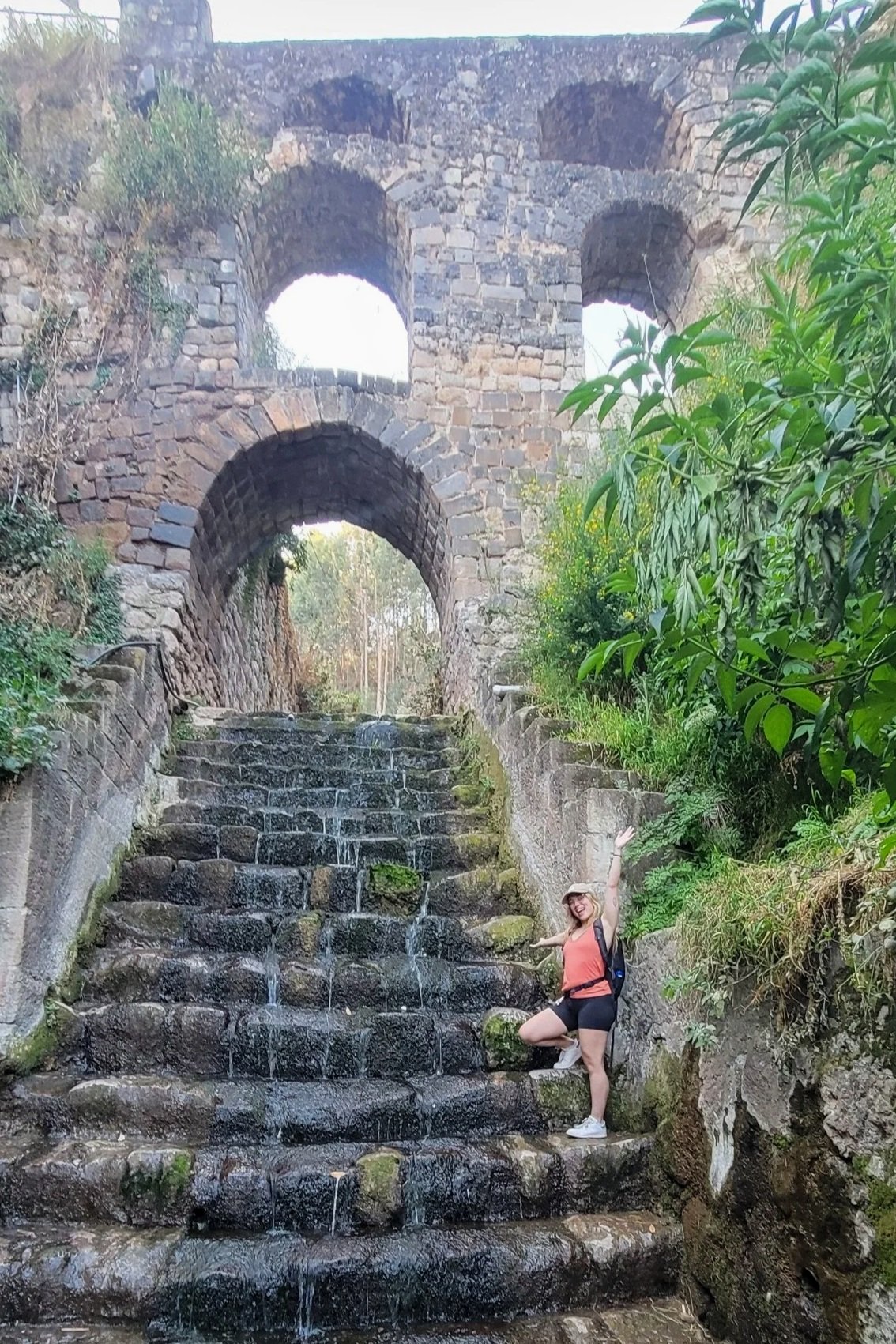
Sapantiana Aqueduct
Just past the corner at the bottom of Calle Siete Borreguitos and across the small bridge, you can climb down a short set of stairs and walk along the edge of the canal. Here you will find the colonial aqueduct which was built in the 1800s. If you’re lucky, there will be lush vegetation and flowing water which creates a beautiful backdrop.
Cristo Blanco*
This depiction of Christ stands at 8 metres (26.25 ft.) tall with arms spread wide (very similar to Christ the Redeemer in Rio) as he looks out over the city of Cusco, and is nearly impossible to miss as you’re wandering the streets below. It was built in 1945 after being gifted to the city by Palestinian refugees who came to Cusco after World War II.
If you’re heading up to Saqsaywaman, consider stopping by for some incredible views overlooking the city below.
Mirador de San Cristobal
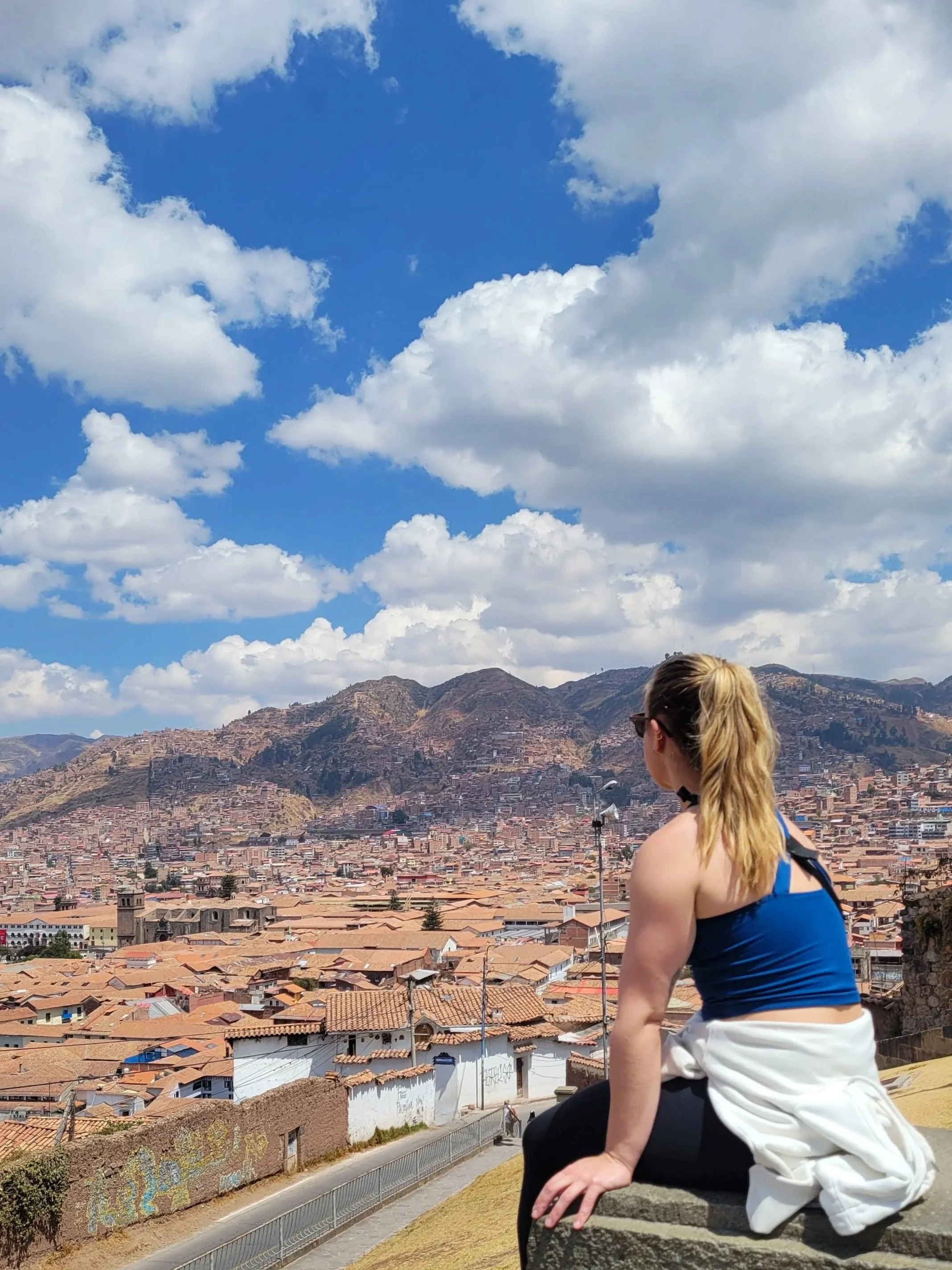
If you’re not heading up to Saqsaywaman and still want an incredible view of Cusco sprawling through the valley, Mirador de San Cristobal is another great option. It is easily one of the best views in the city.
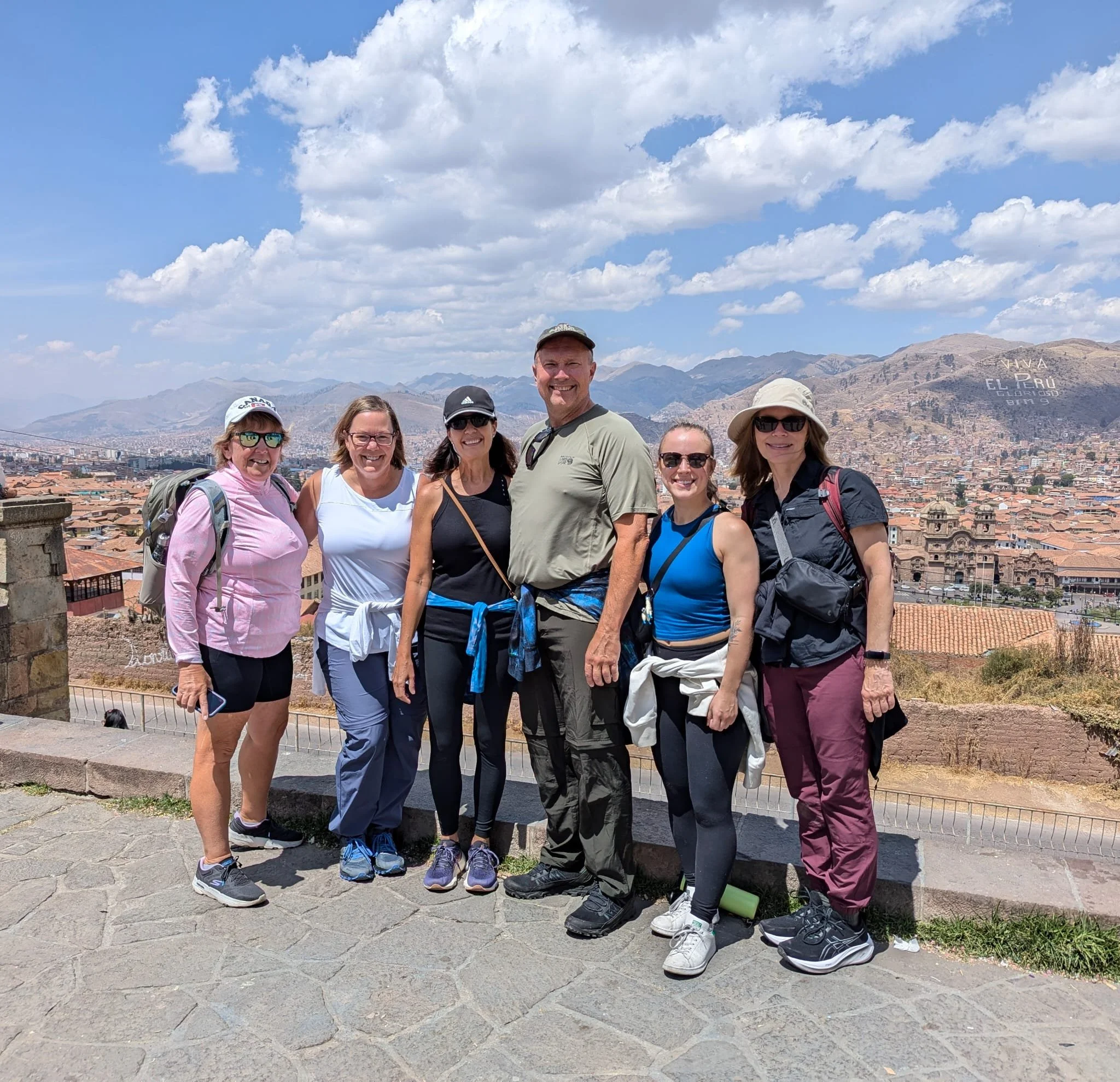
Enjoying the view at Mirador de San Cristobal
If You Have the Time
Sacred Valley Tour
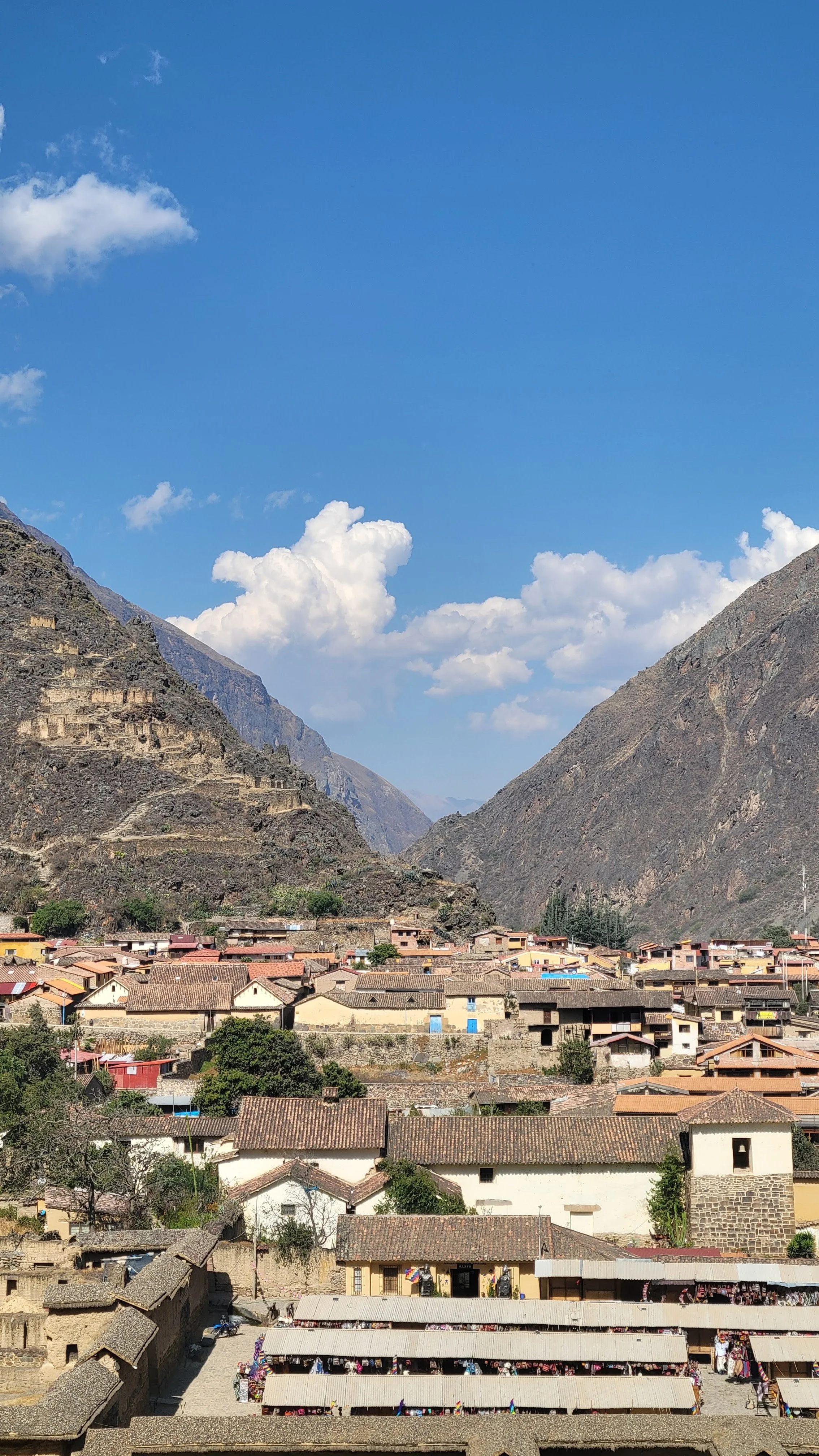
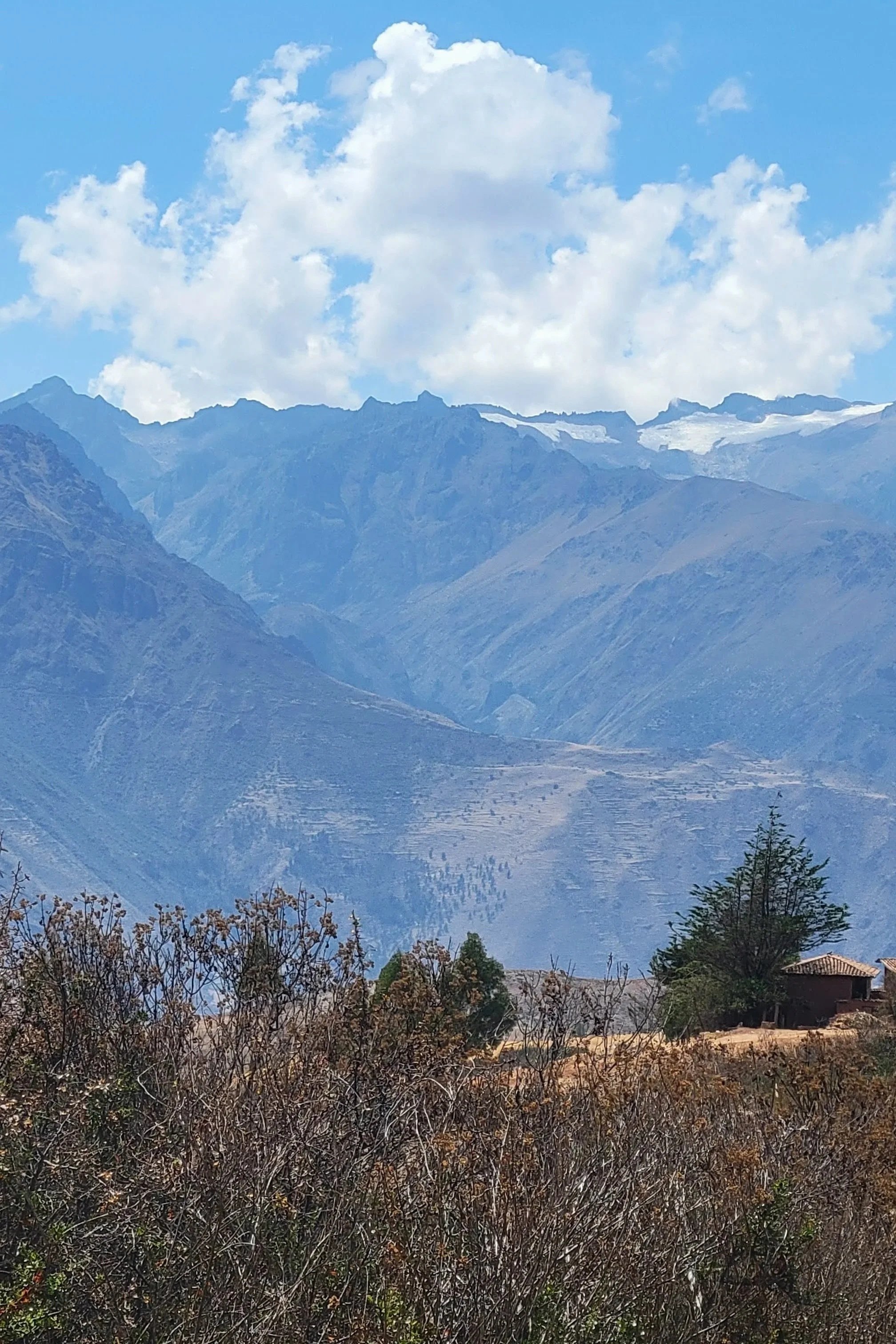
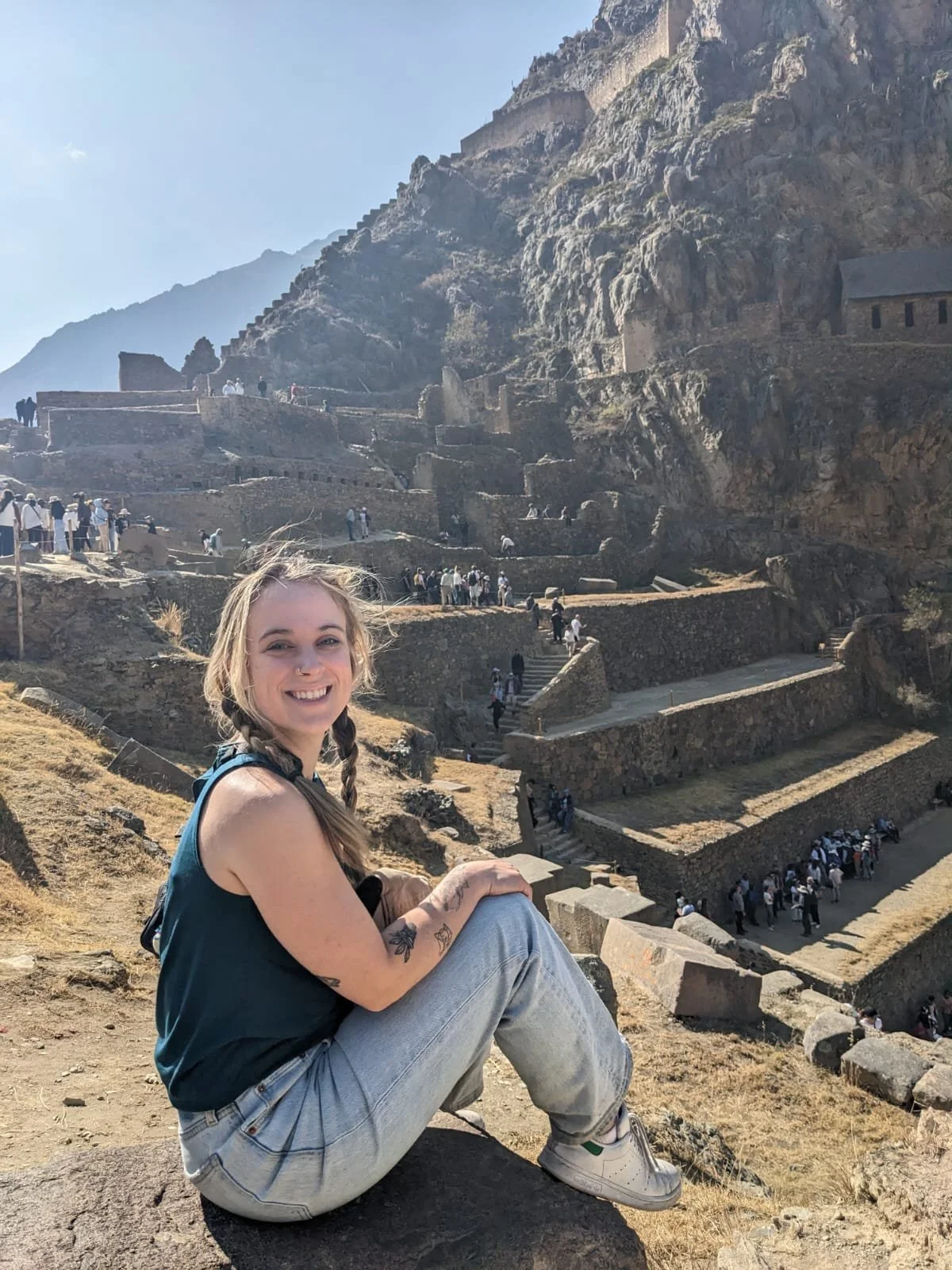
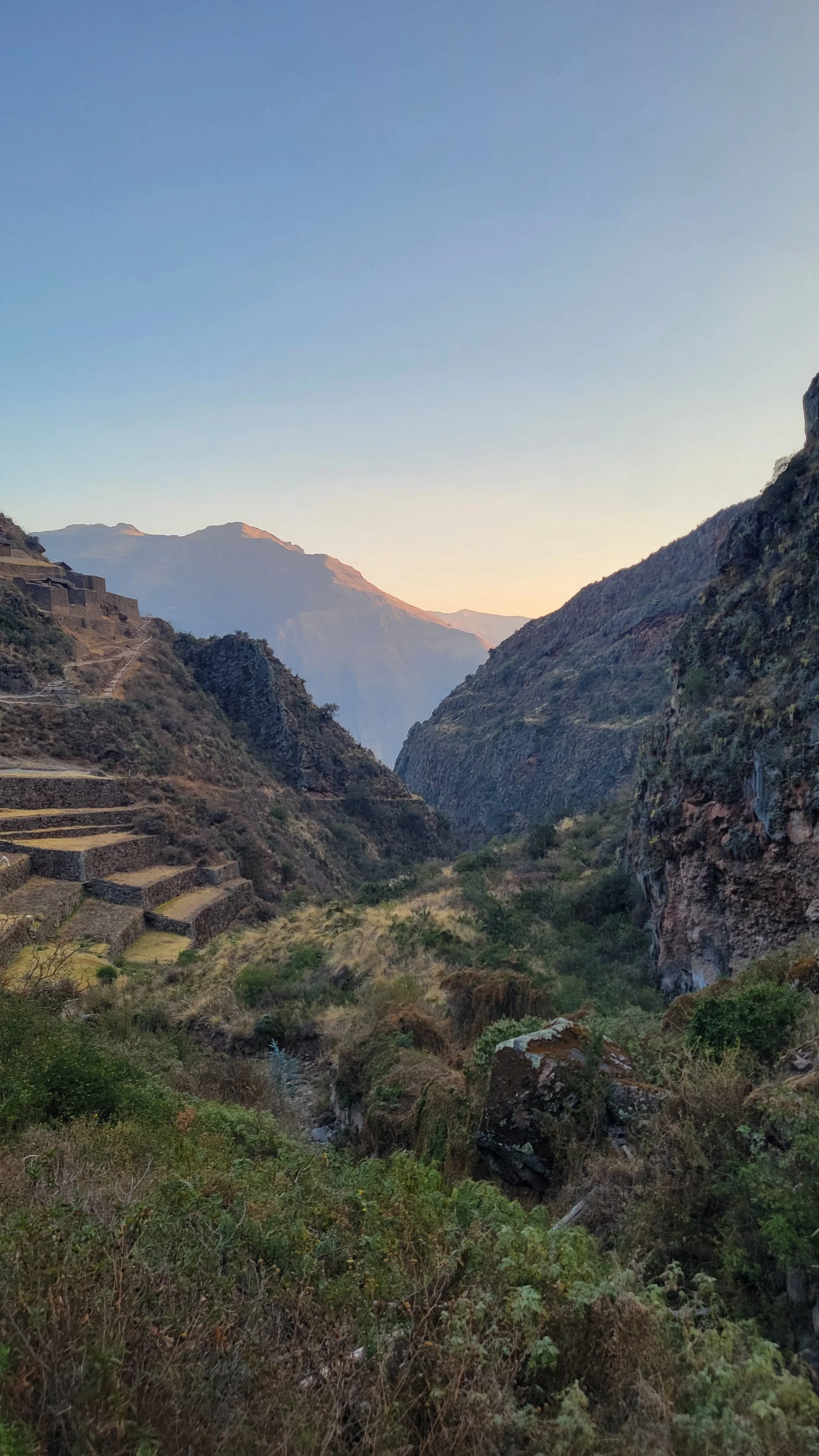
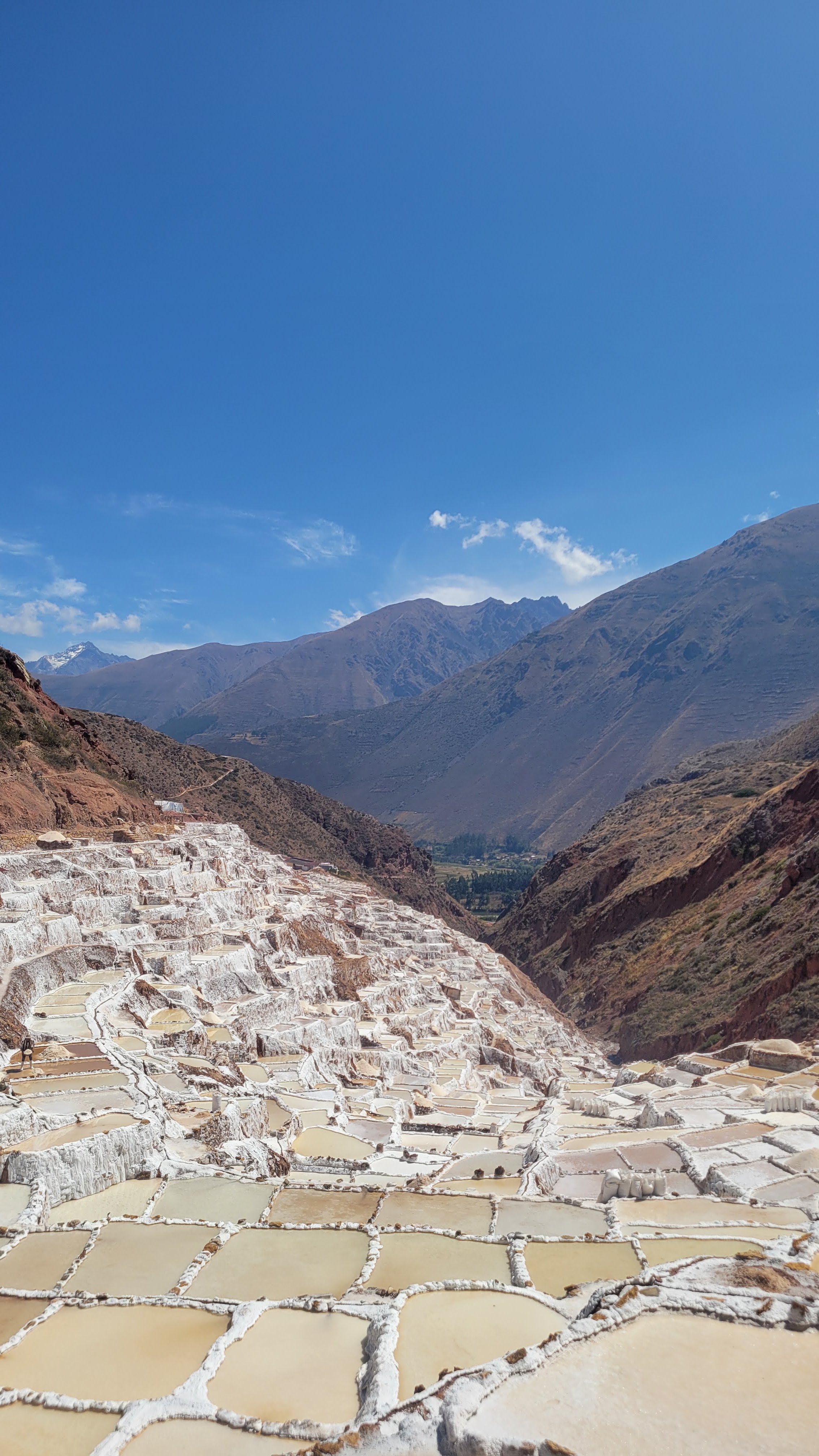
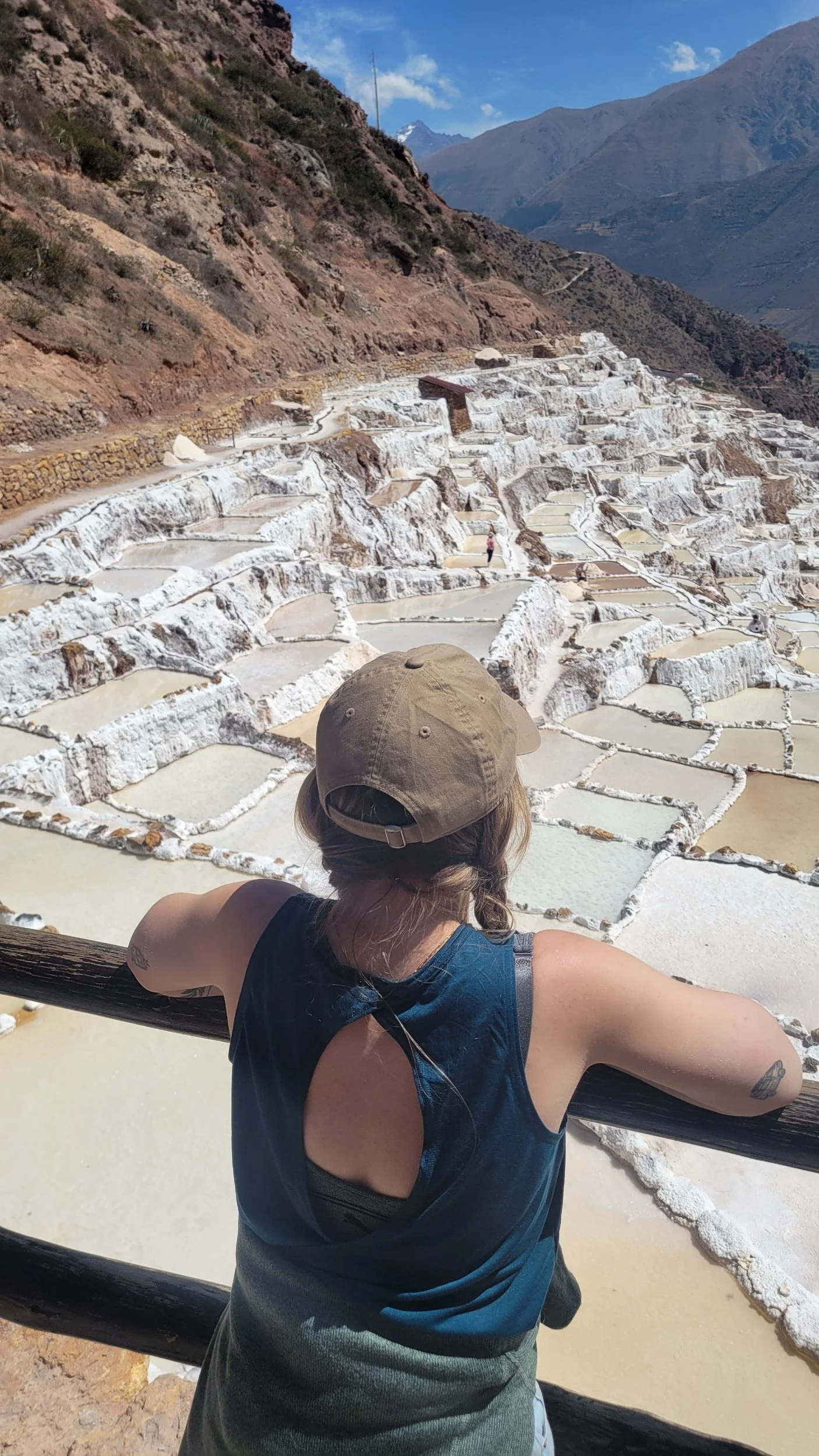
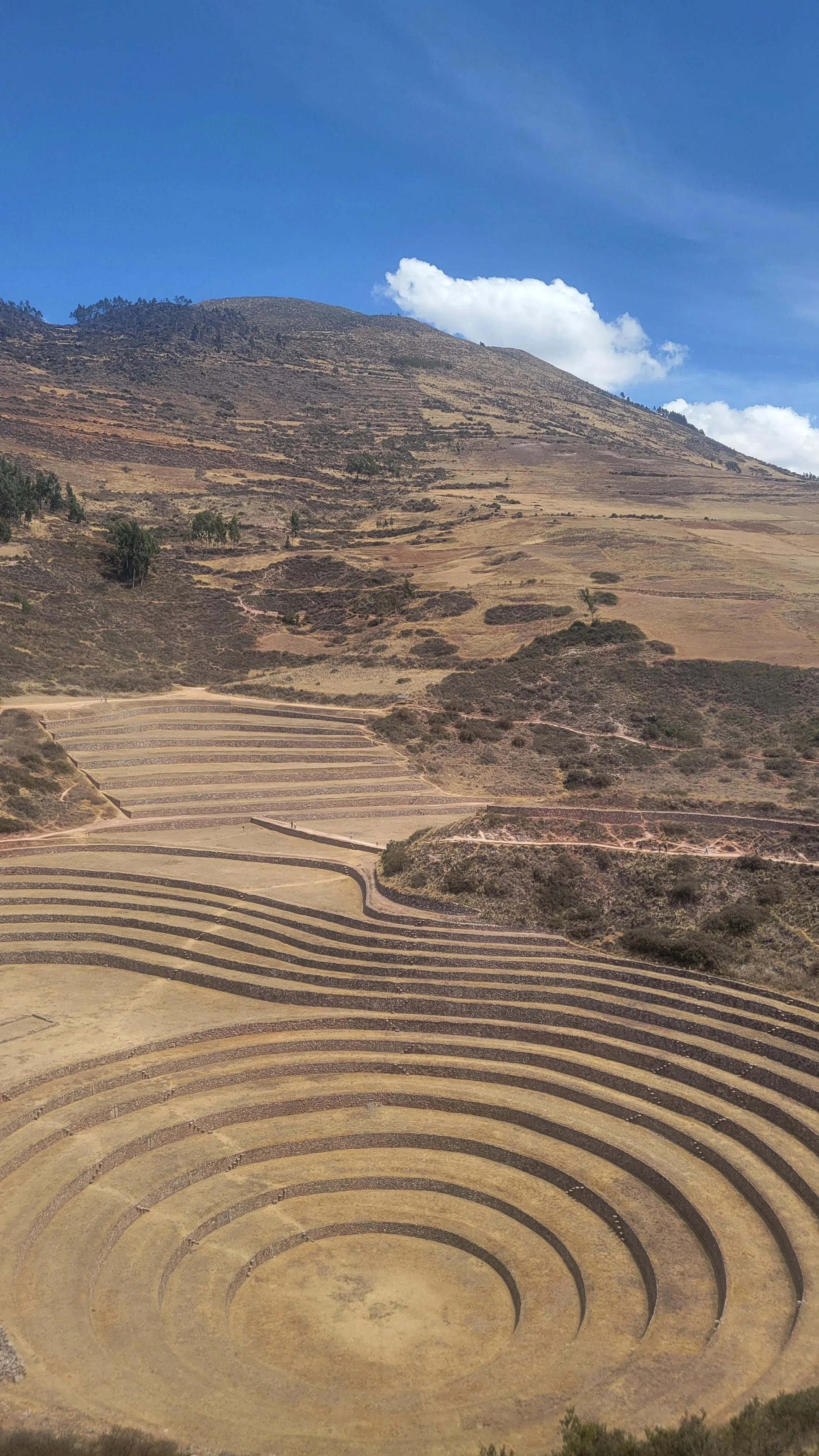
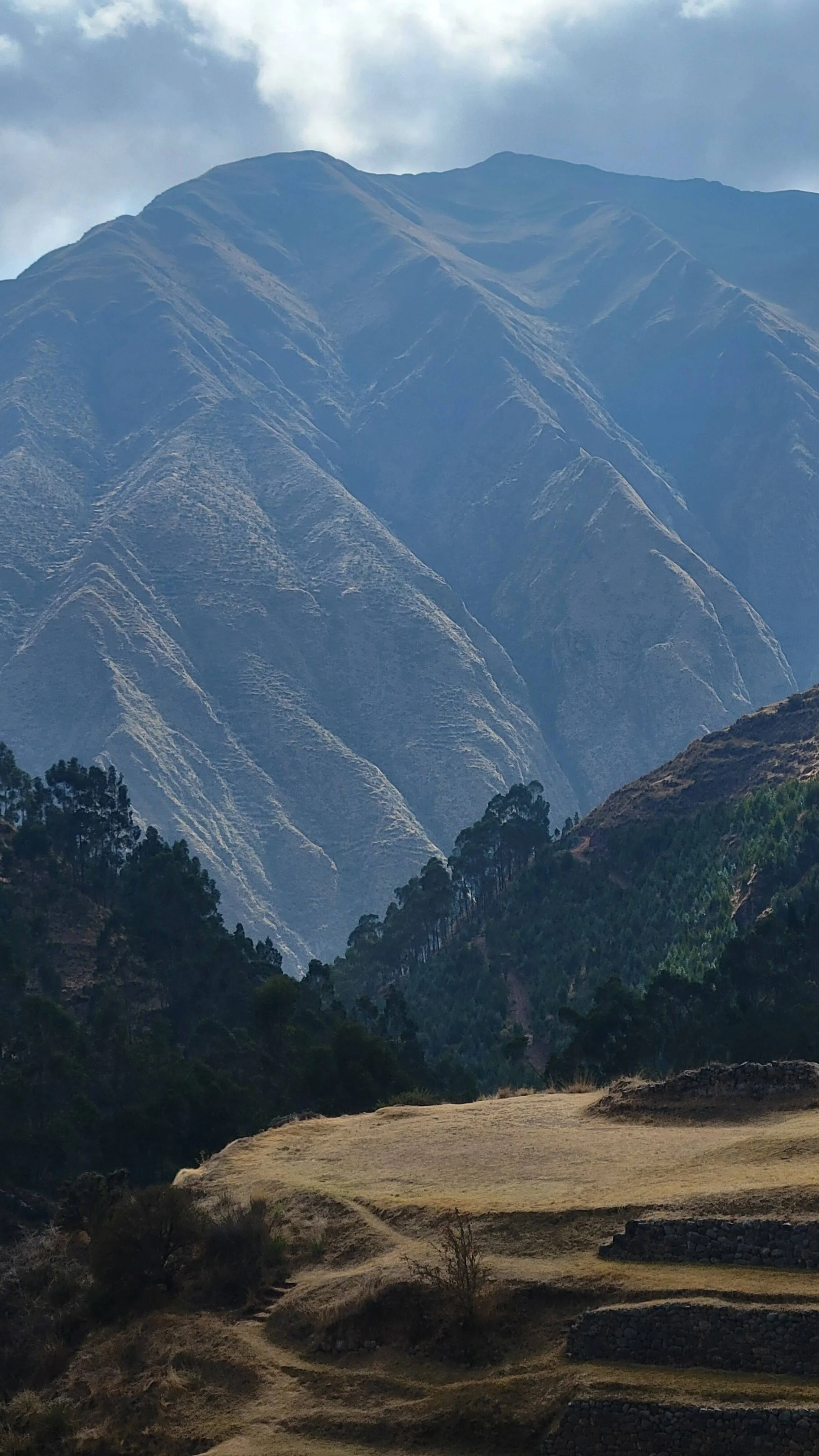
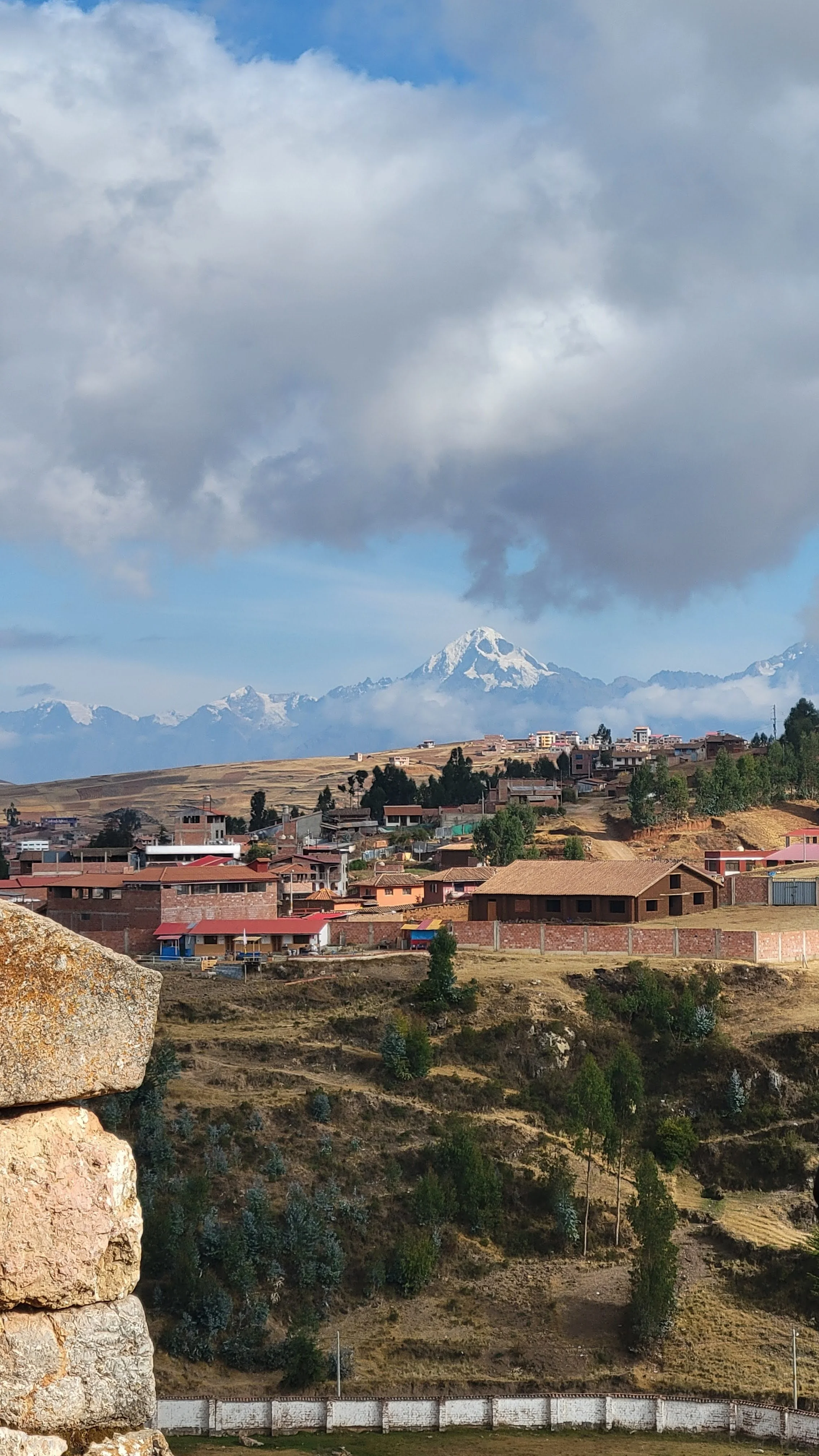
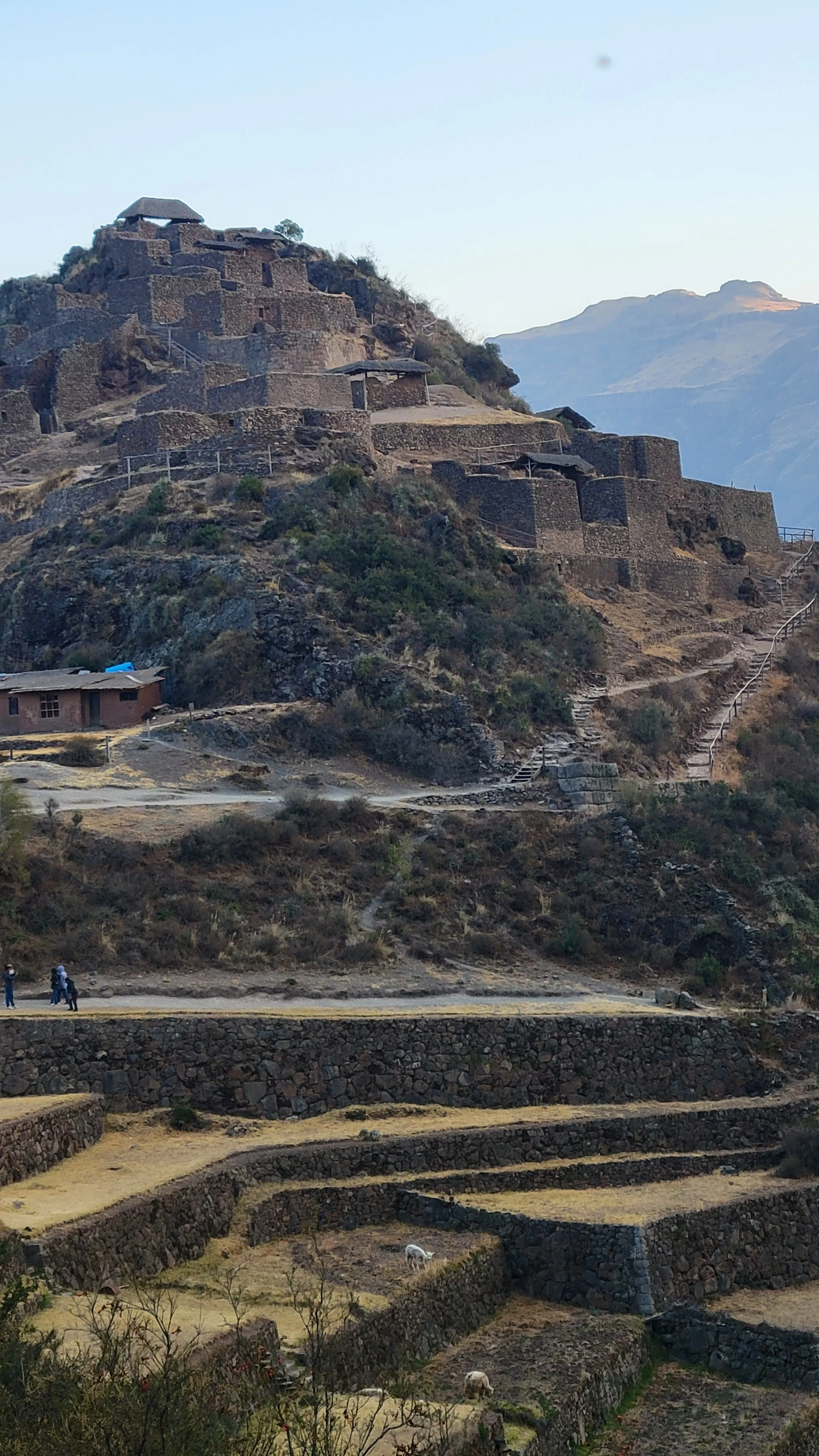
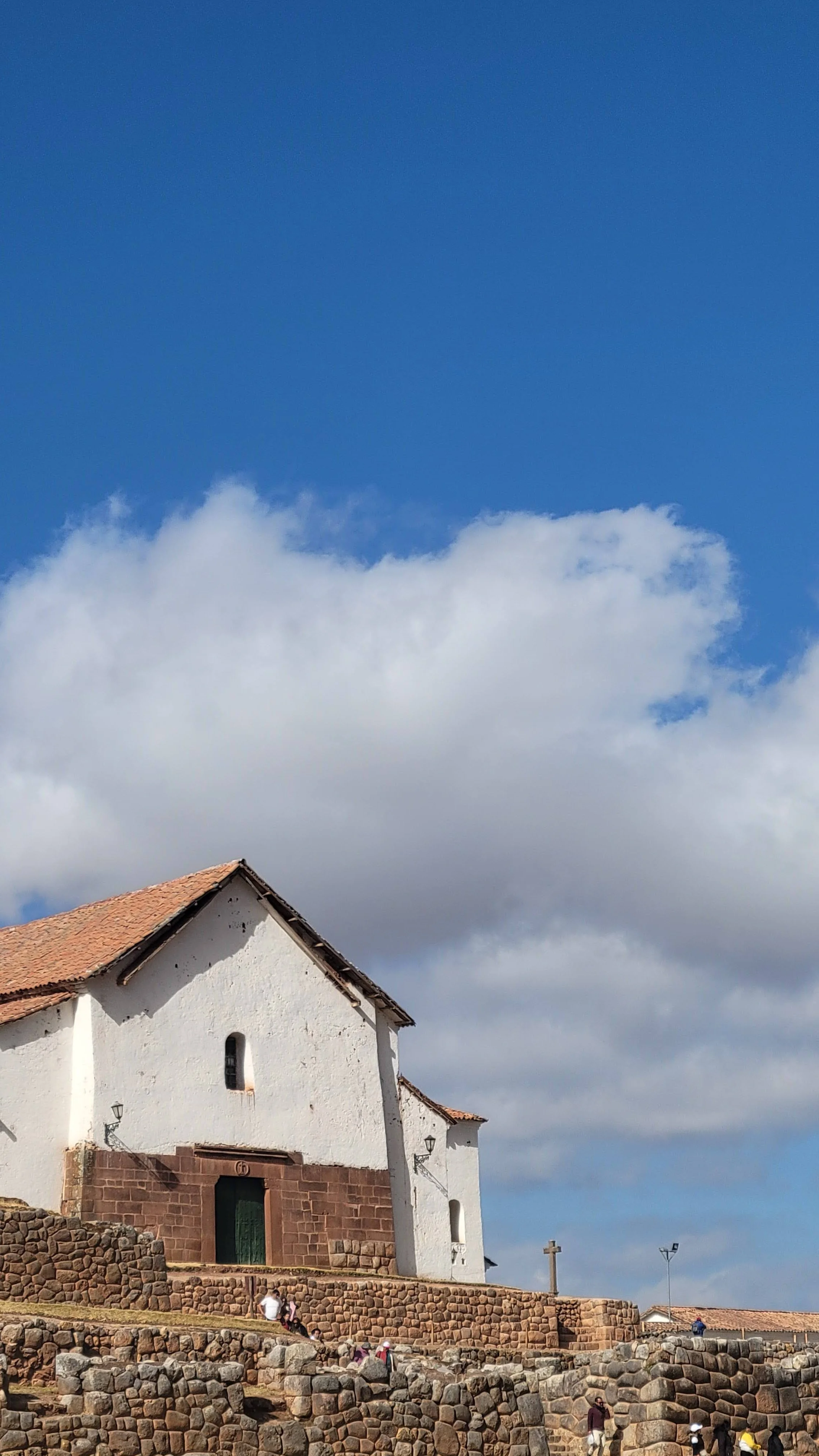
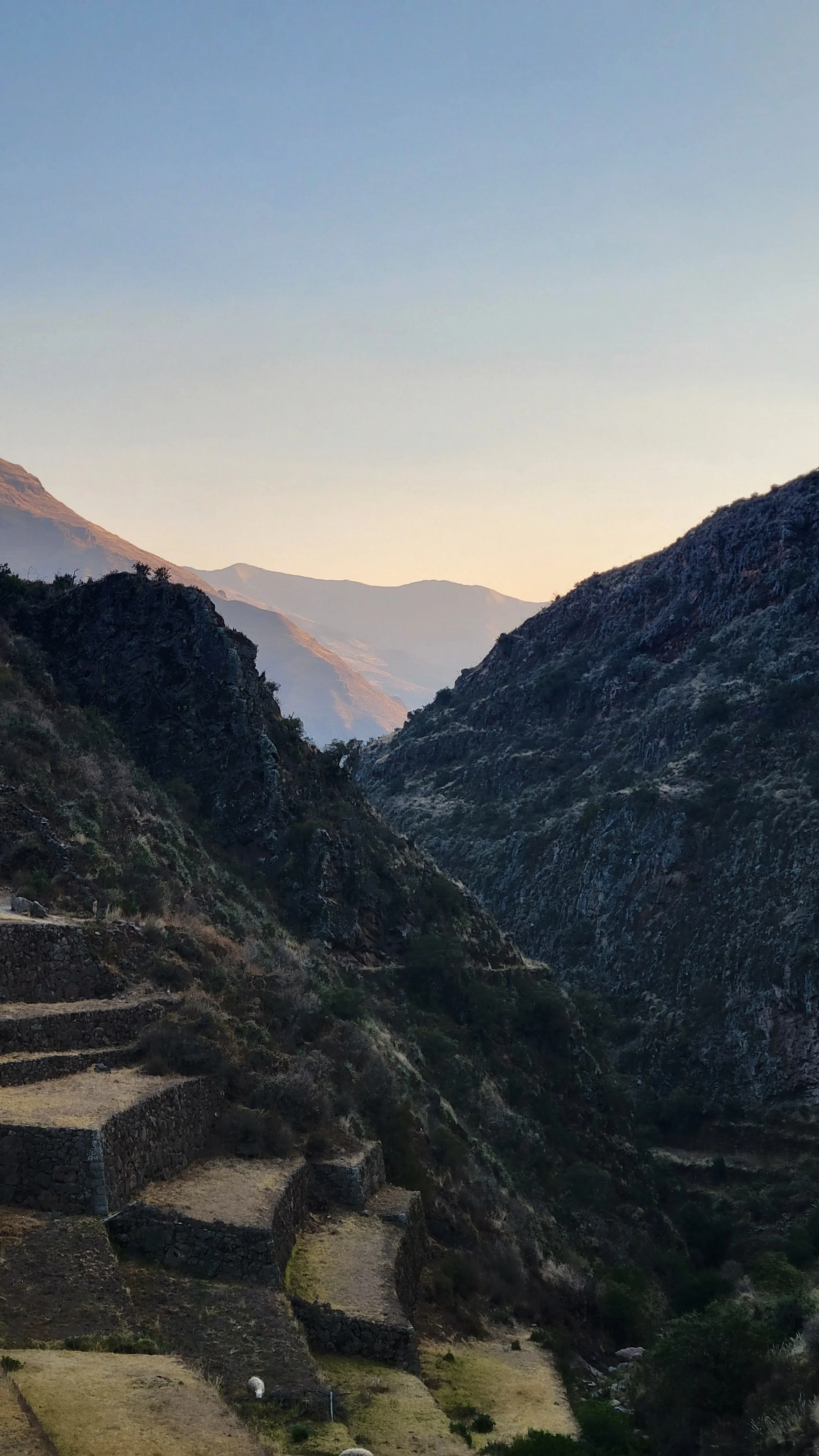
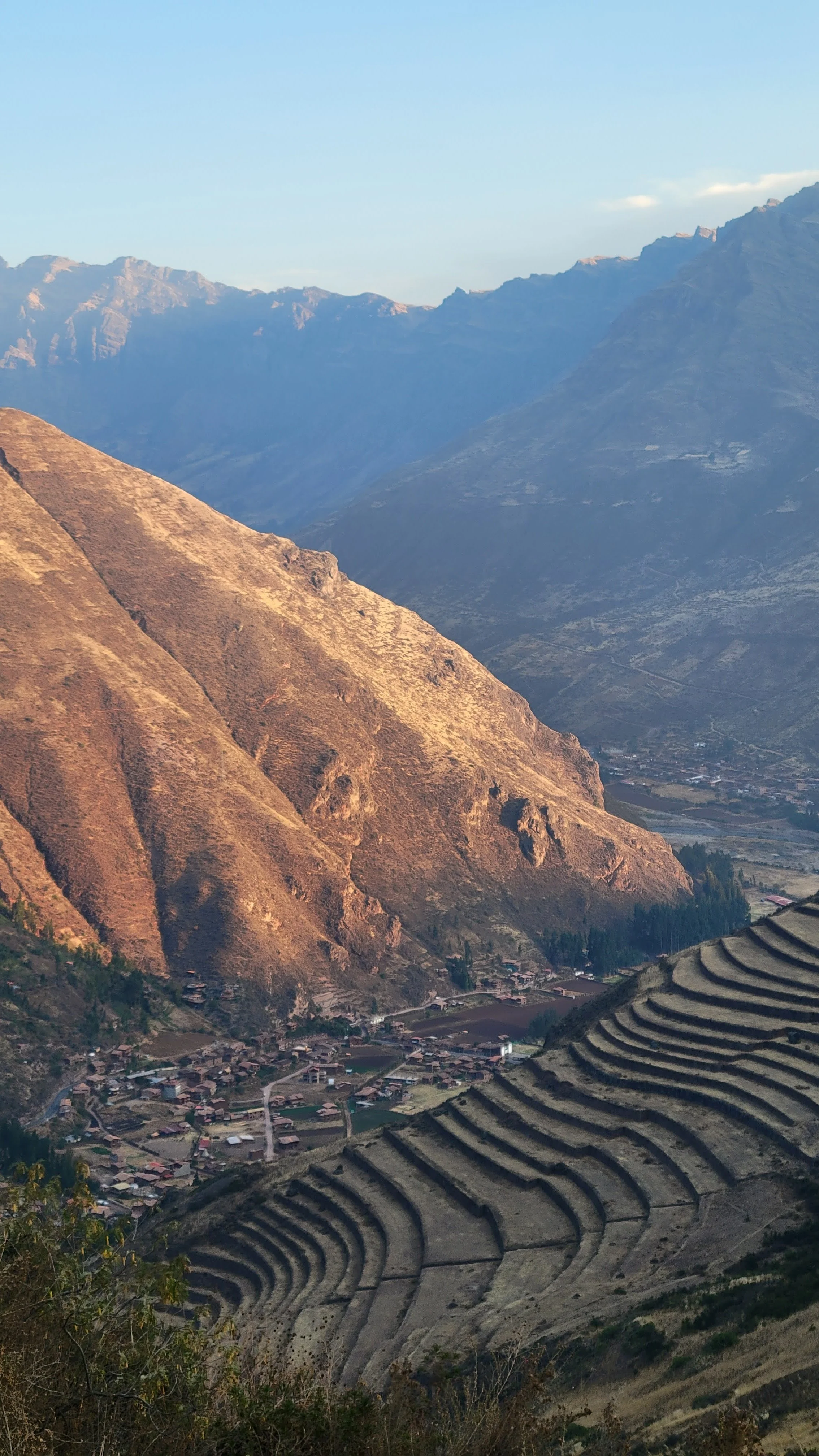
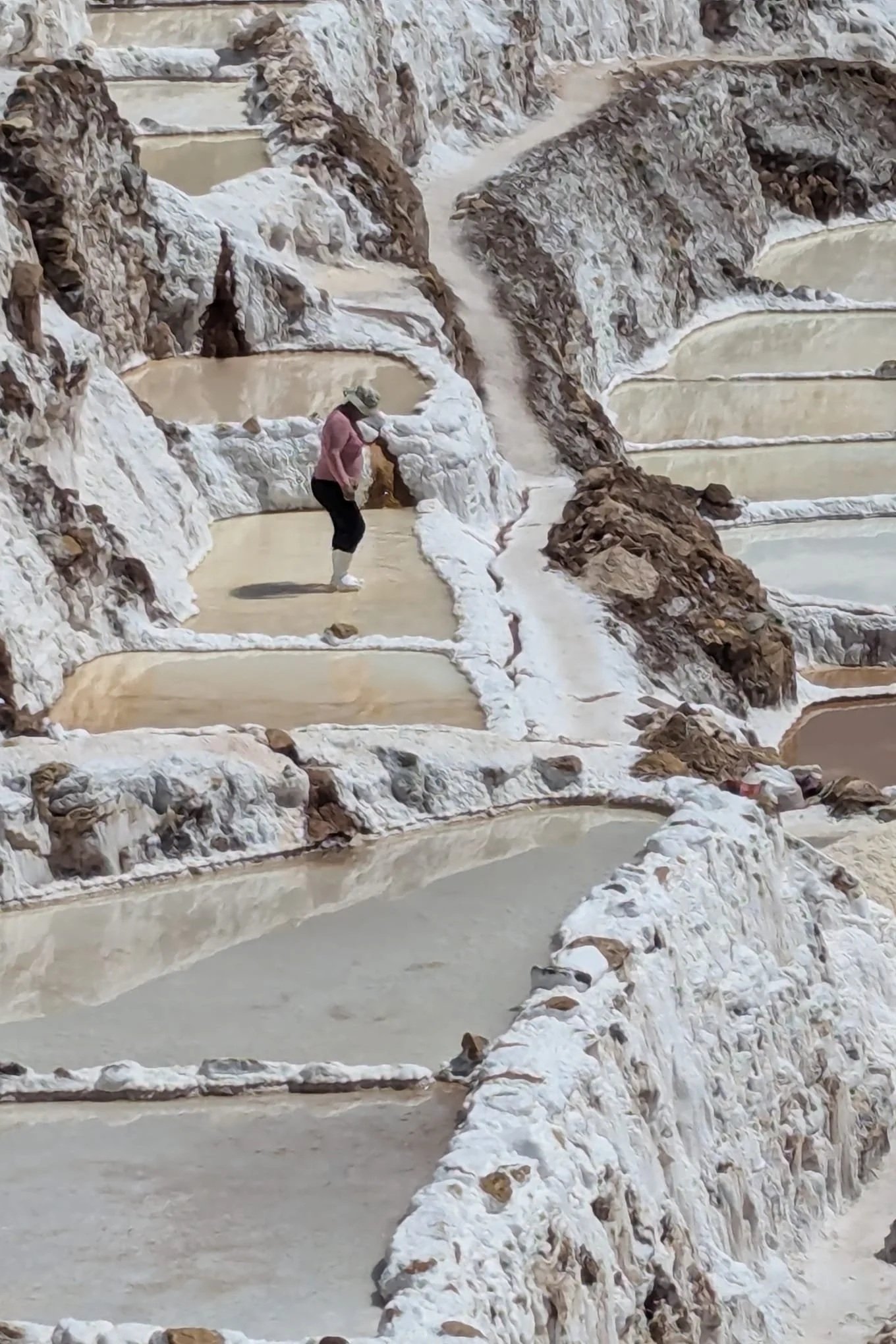
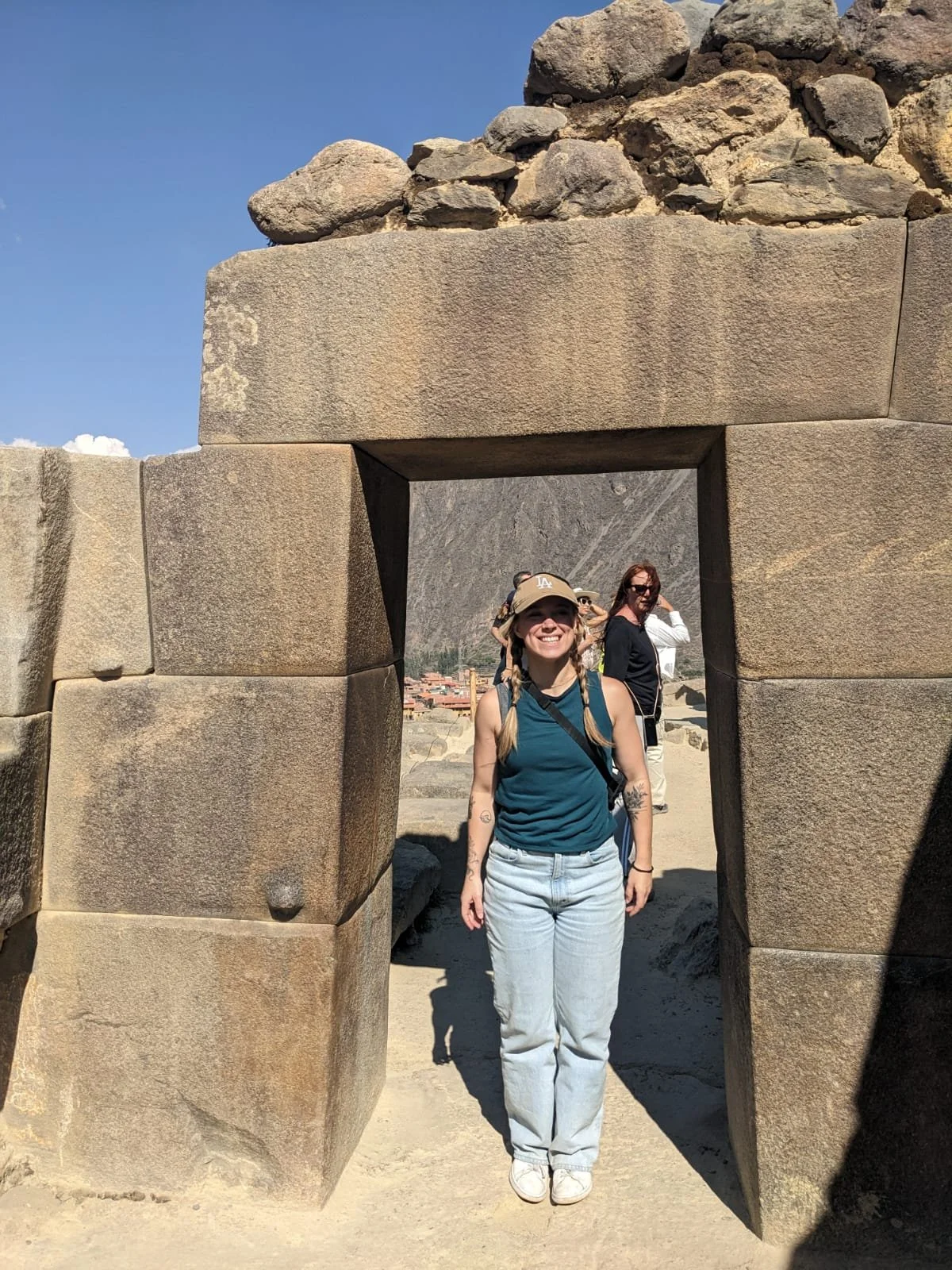
If you have a spare day to fill, I highly recommend booking a Sacred Valley tour. My typical travel style does not include hopping on a jam-packed tour bus for the day, but it was a terrific way to take in so many incredible sites from the Inca civilization. The tour included Chinchero, Salinas de Maras, Terraces de Moray, Ollantaytambo, and Pisac — plus some stops at local artisan shops along the way.
Rainbow Mountain*
Something I would love to see on a future visit, because… well, it’s a rainbow mountain.
If you are planning to visit, keep in mind that this involves hiking at a high altitude and you might want to save it for after your hike to Machu Picchu to avoid altitude sickness before a multi-day hike. Machu Picchu is at 2,430 metres (7,972.4 ft.), Cusco at 3,400 metres (11,154.8 ft.), while Rainbow Mountain reaches over 5,000 metres (16,404.2 ft.) meaning the air is significantly thinner — about 50% oxygen saturation compared to sea level!
What to Eat
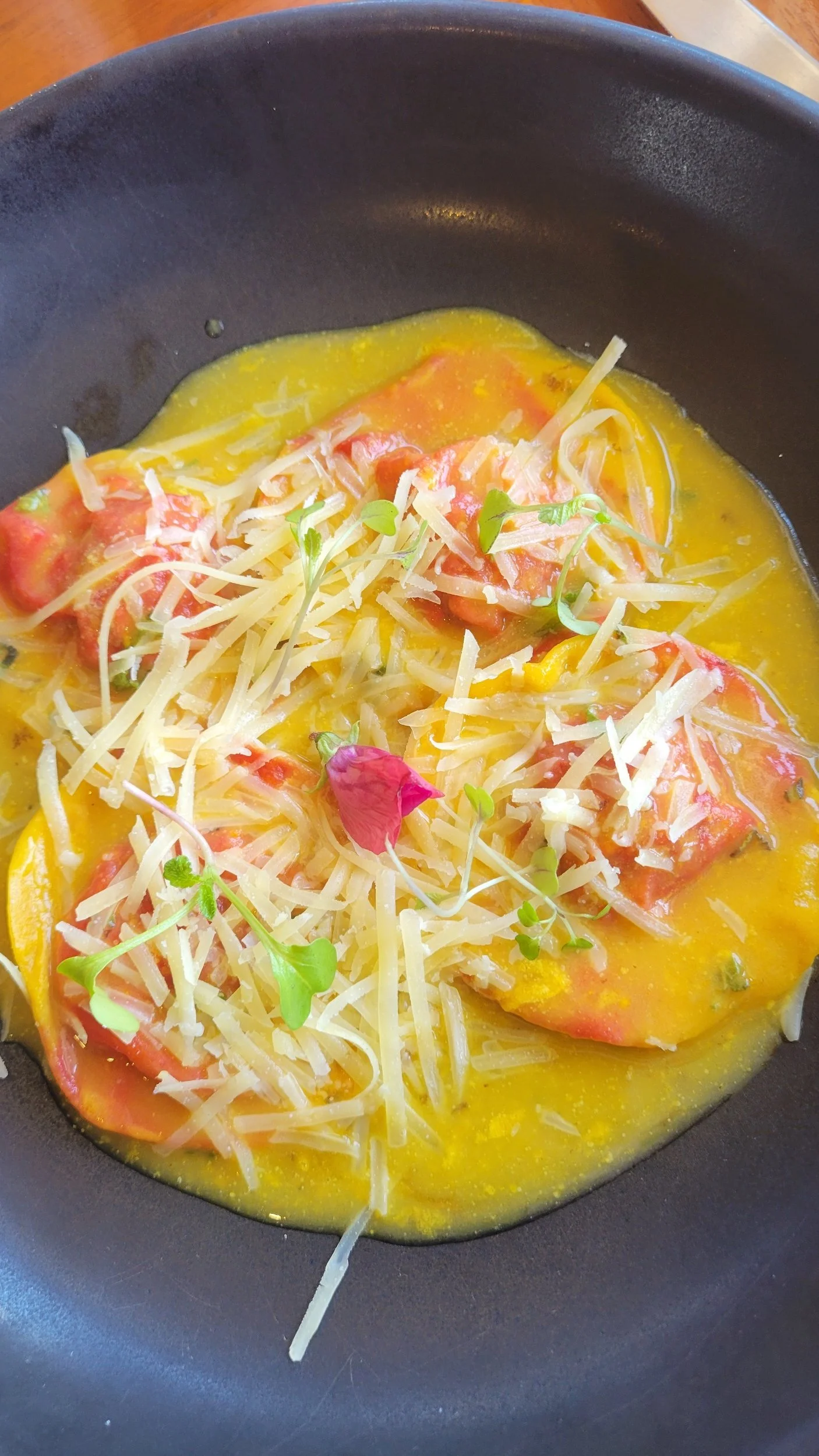
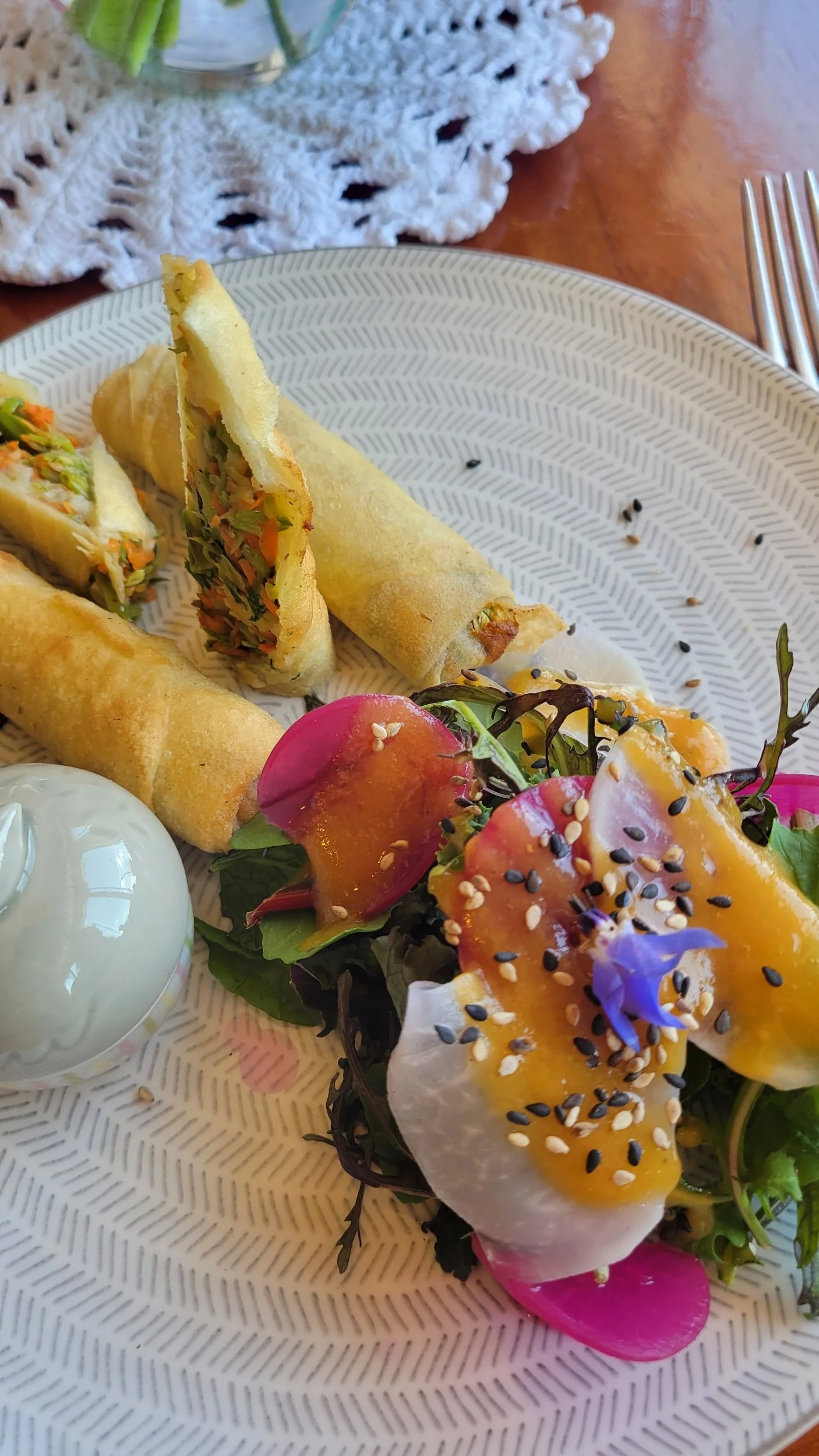
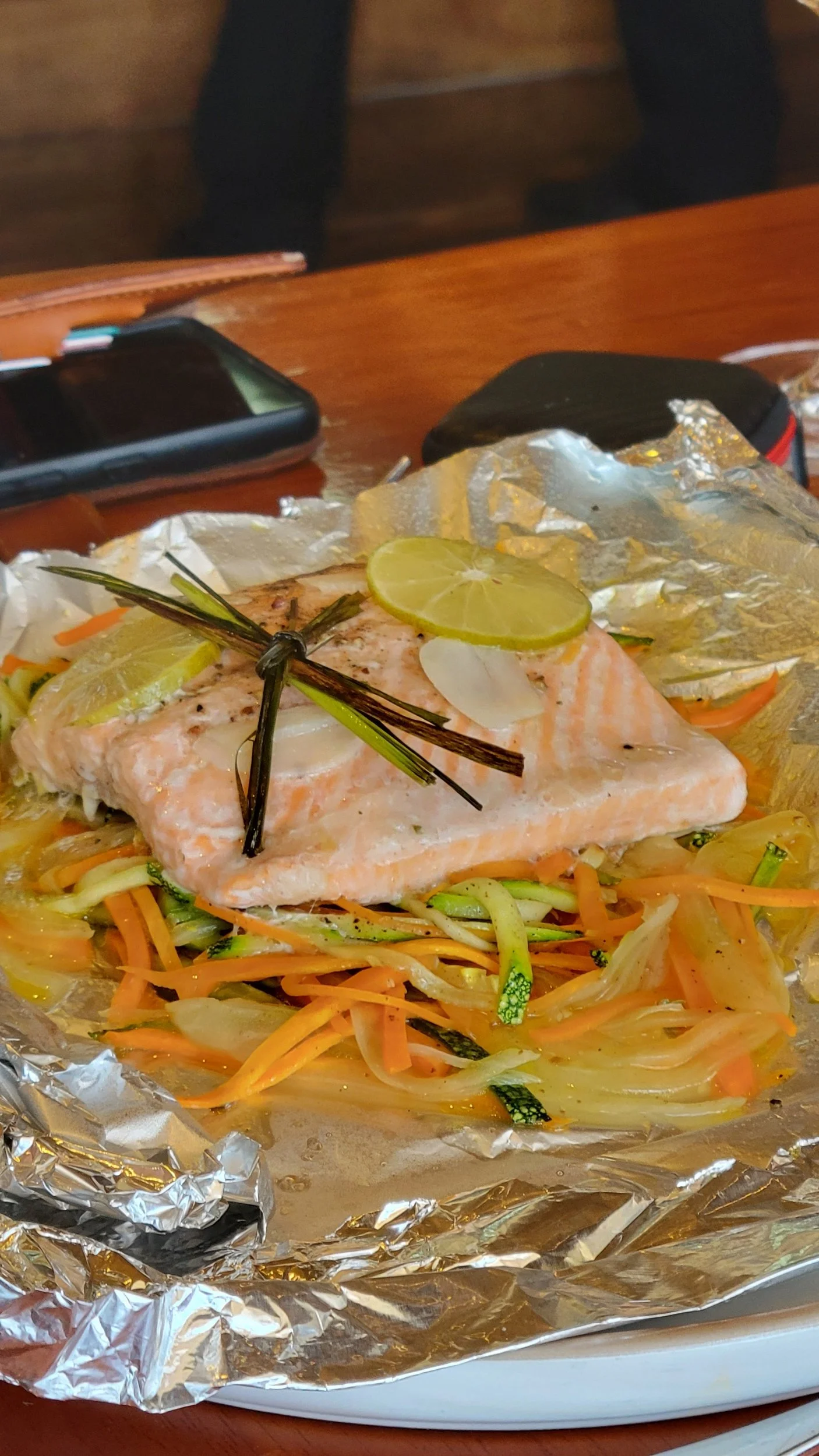
Local Dishes to Try
Cuy — roasted guinea pig is a dish that dates back thousands of years in the region.
Alpaca — really delicious, tender, mild red meat.
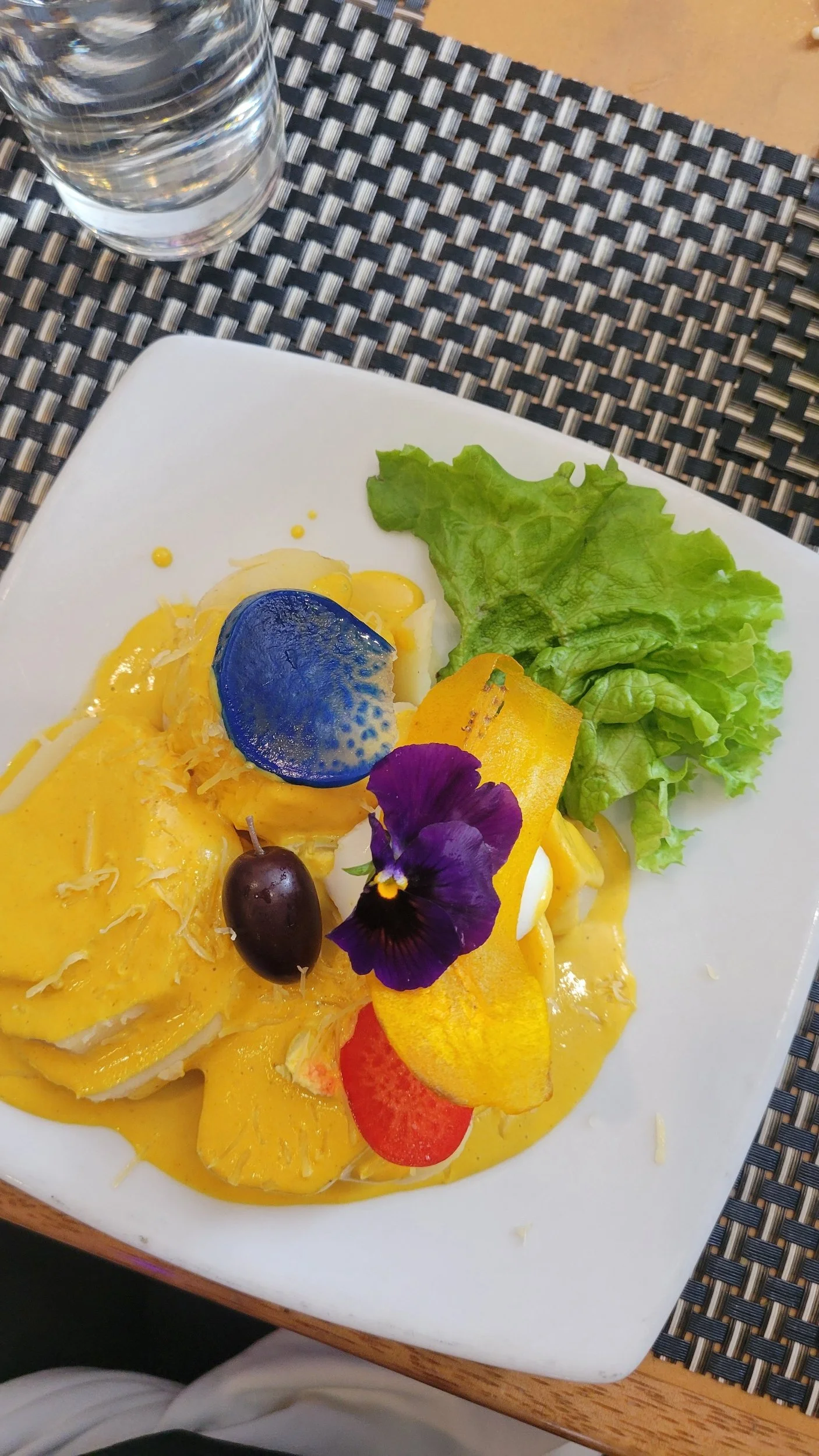
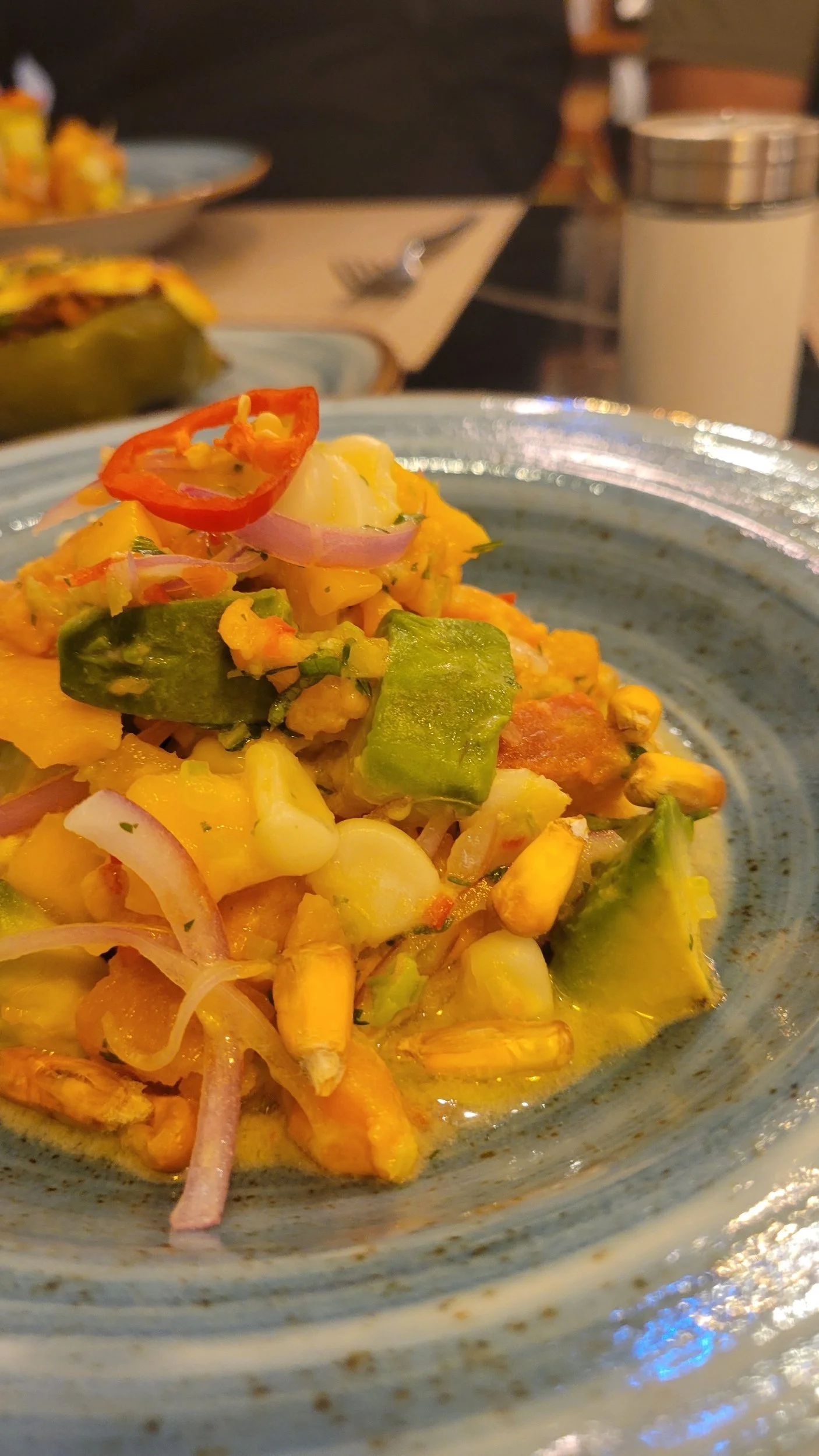
Peruvian Ceviche — raw fish “cooked” in a lime juice marinade, often with corn, chilis, and fruit.
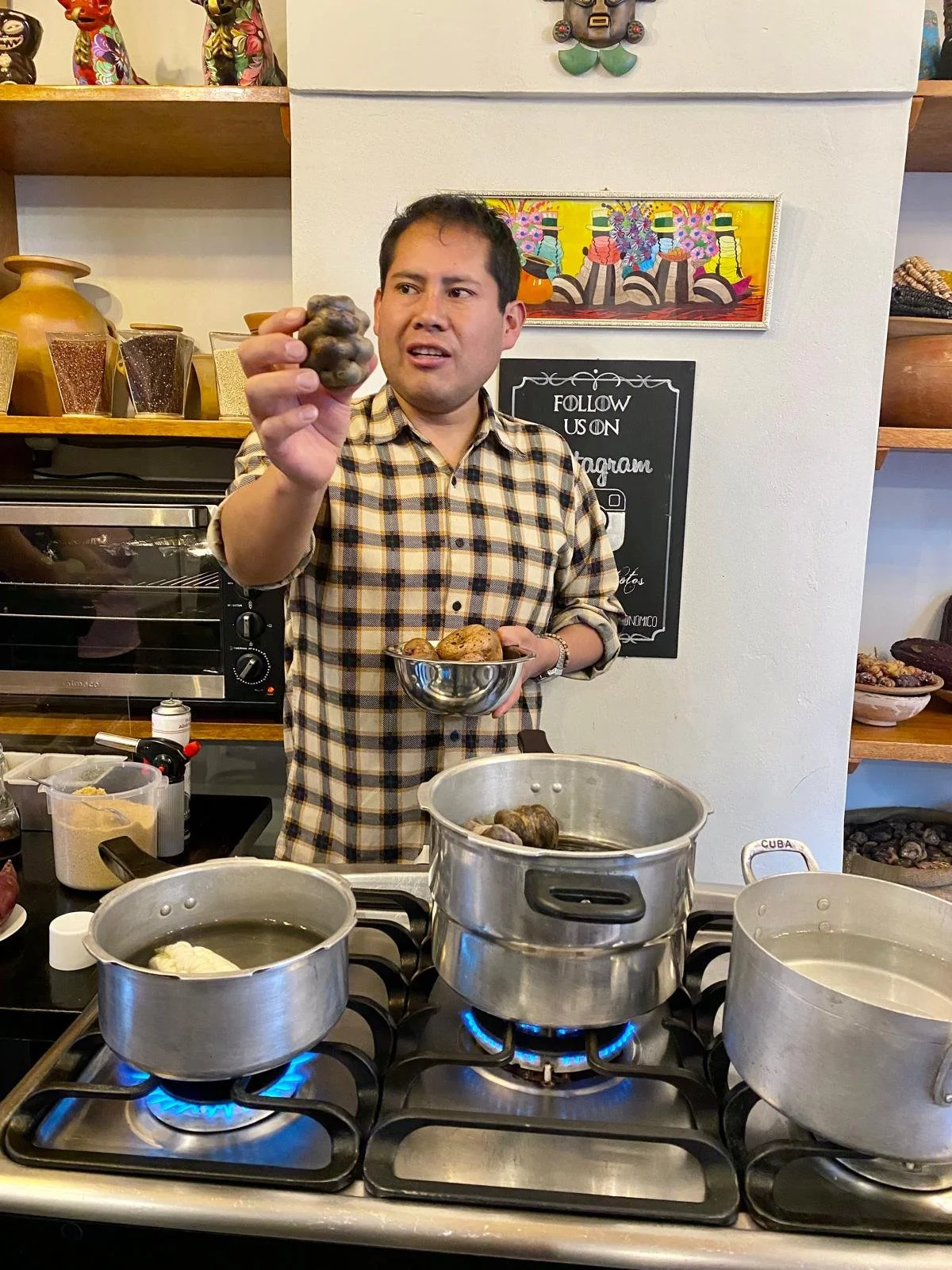
Potatoes — Peru has over 4,000 varieties of potatoes which range in texture, colour, and taste.
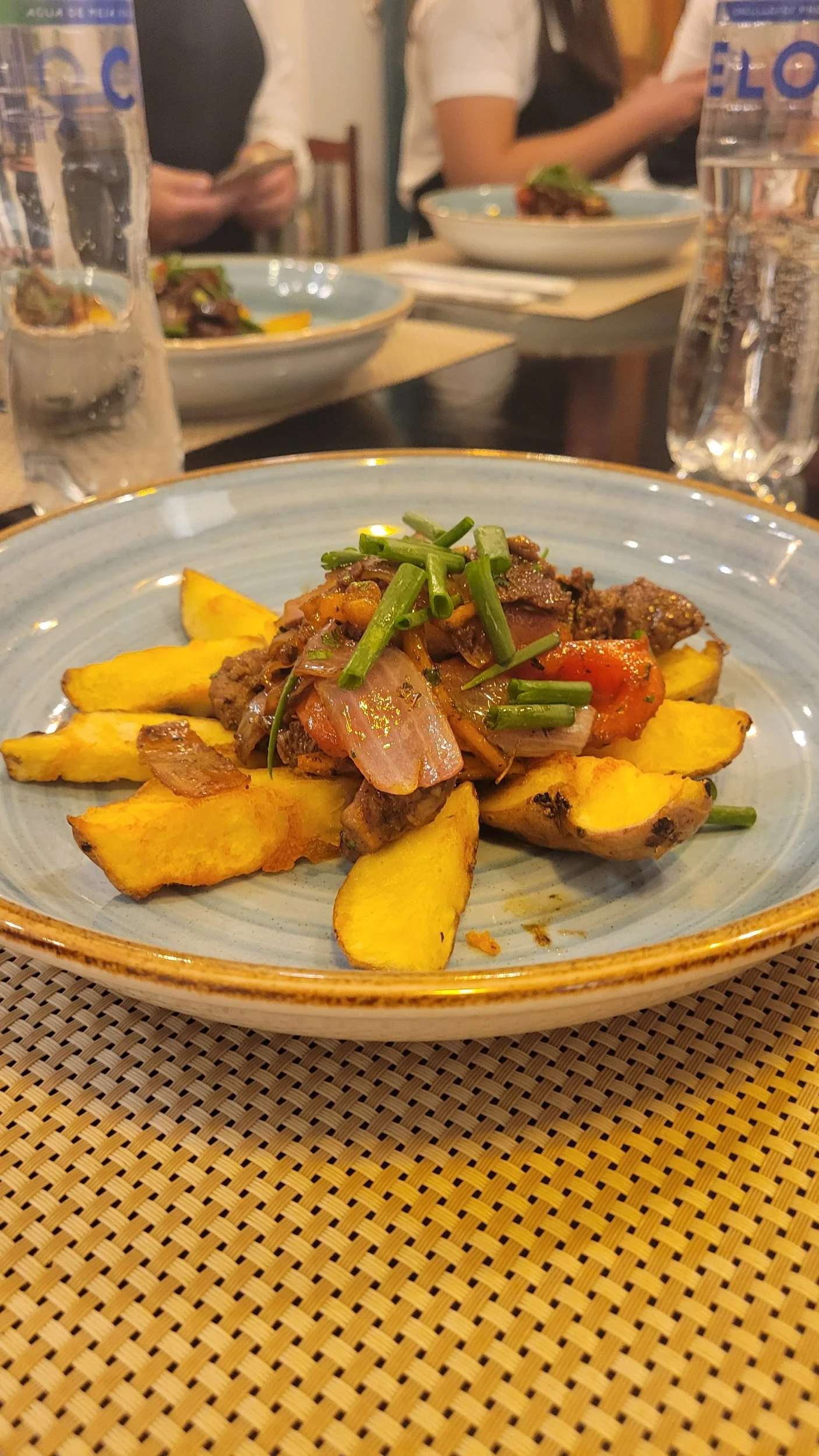
Lomo Saltado — beef stir-fry served with potatoes
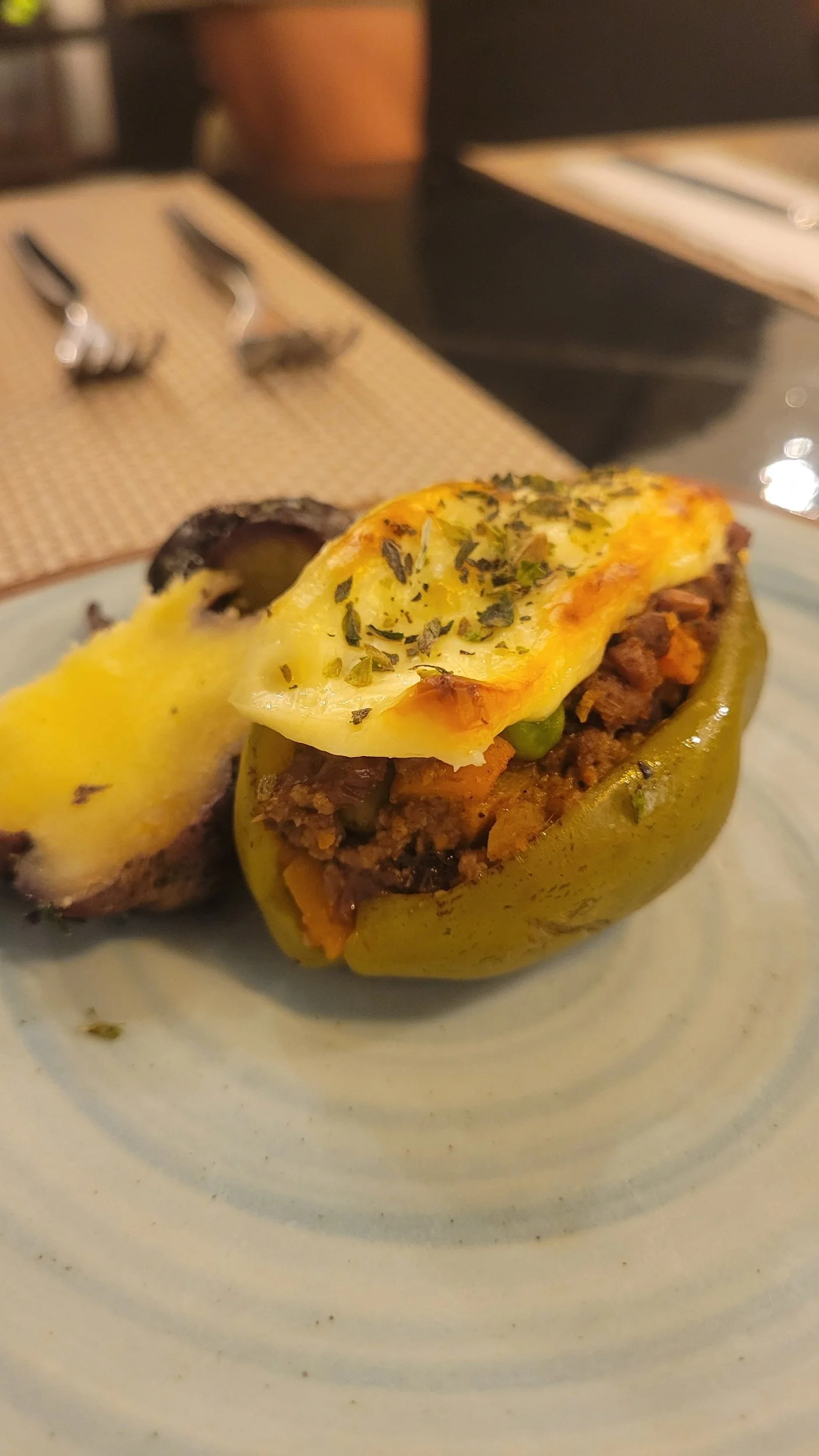
Rocoto Relleno — stuffed peppers filled with meat, veggies, and cheese
Pisco Sours — a Peruvian cocktail made with lemon juice, simple syrup, egg whites, and pisco. Delicious.
My Favourite Bites in Cusco
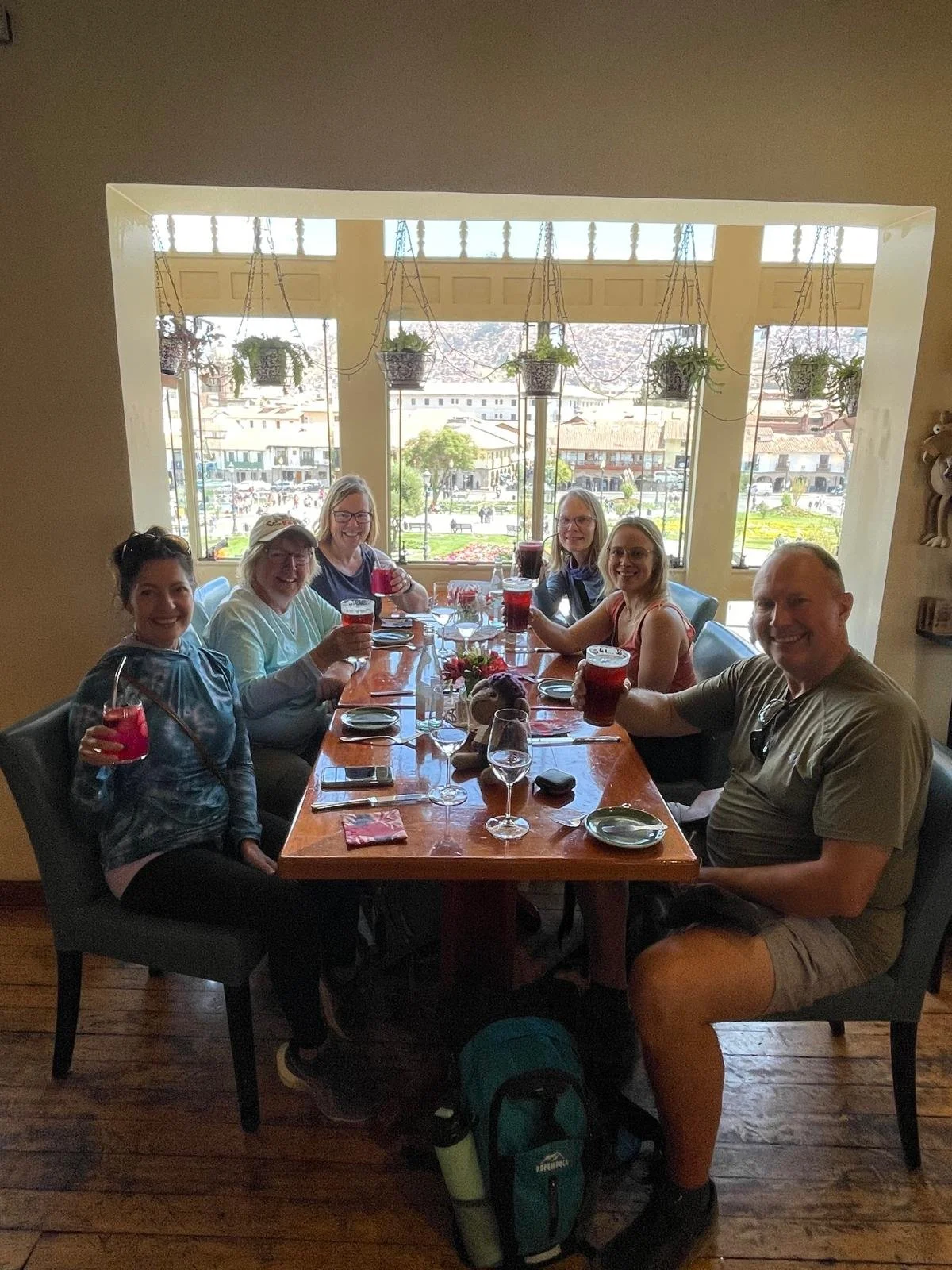
Hanz Craft Beer and Restaurant — delicious food, including a lot of peruvian dishes. If you can grab a spot near the windows you get a nice view over the square.
Aura Restaurant — If I’m being honest, the food didn’t blow me away, but the view and drinks earned it a spot on the list!
Cooking Class
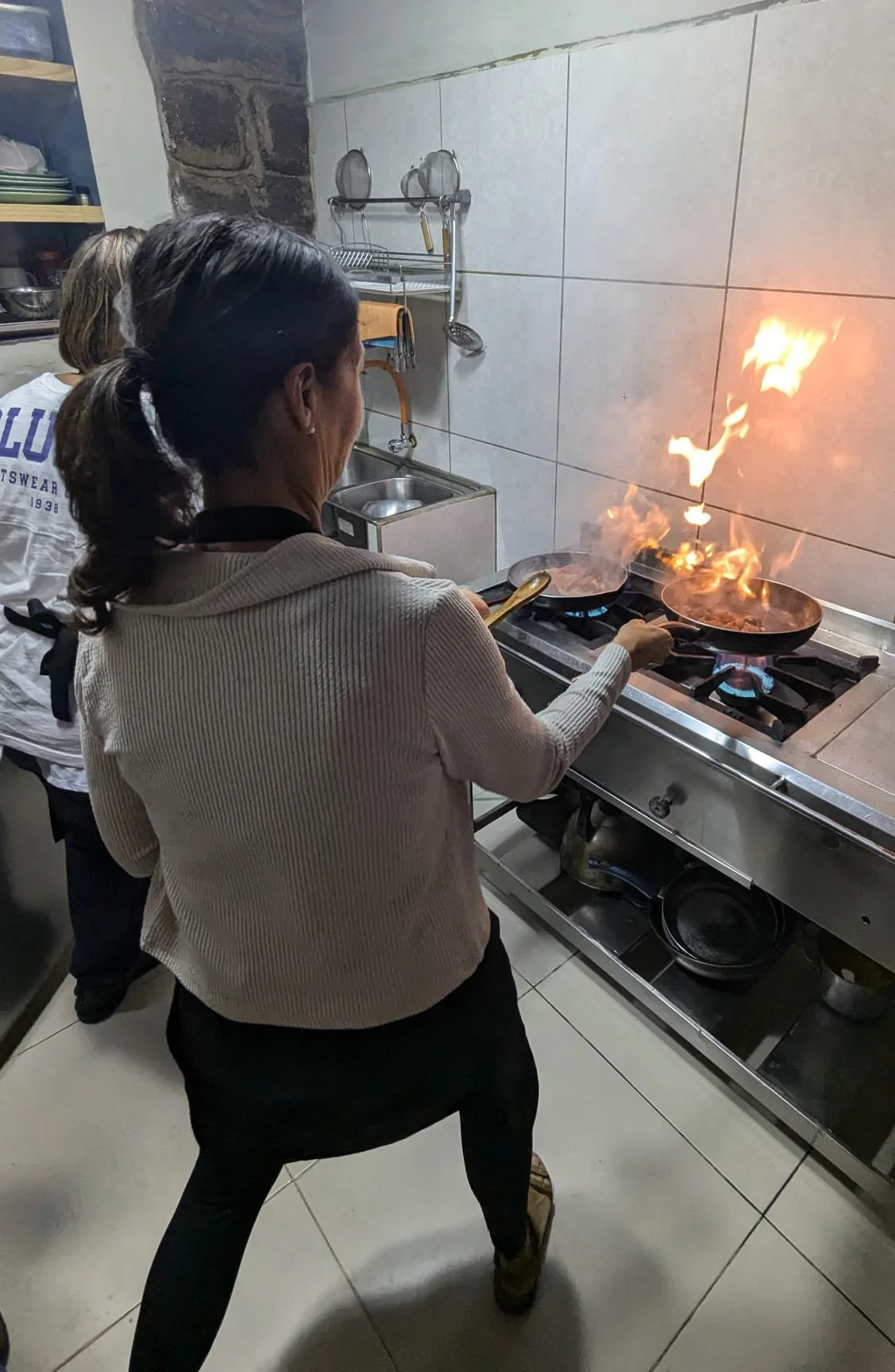
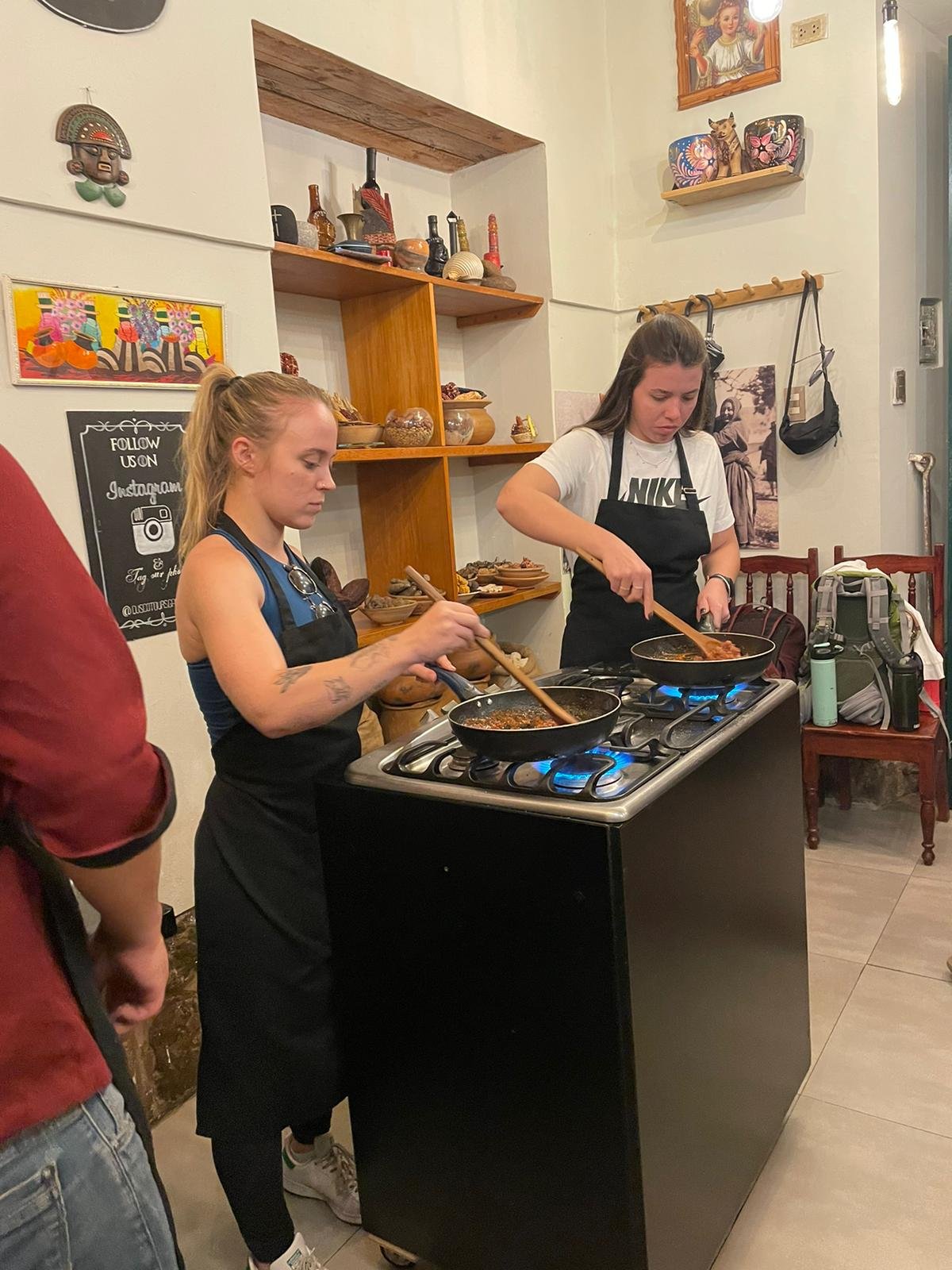
I love a good cooking class, and the one we did in Cusco was possibly my favourite one I’ve done. I love cooking classes because you not only get to have a memorable experience, but you also get a great meal out of it!
Our booking included a tour through Mercado Centro de San Pedro, an appetizer of rocoto relleno, a main of either ceviche or lomo saltado, and pisco sours. It was perhaps my favourite meal of the trip. We booked it through Airbnb, but you can also get in touch with them through their Instagram.