Discover Gaudí’s Barcelona
visited in: November 2022, November 2025It is almost impossible to walk Barcelona’s streets without observing the influence of Antoni Gaudí. His iconic designs have captured people’s attention for over a century, and there is no sign of that changing any time soon! Whether it’s the organic forms, religious symbolism, or bold use of colour that draw you in, one thing is certain: you will not forget the lasting impressions they leave.
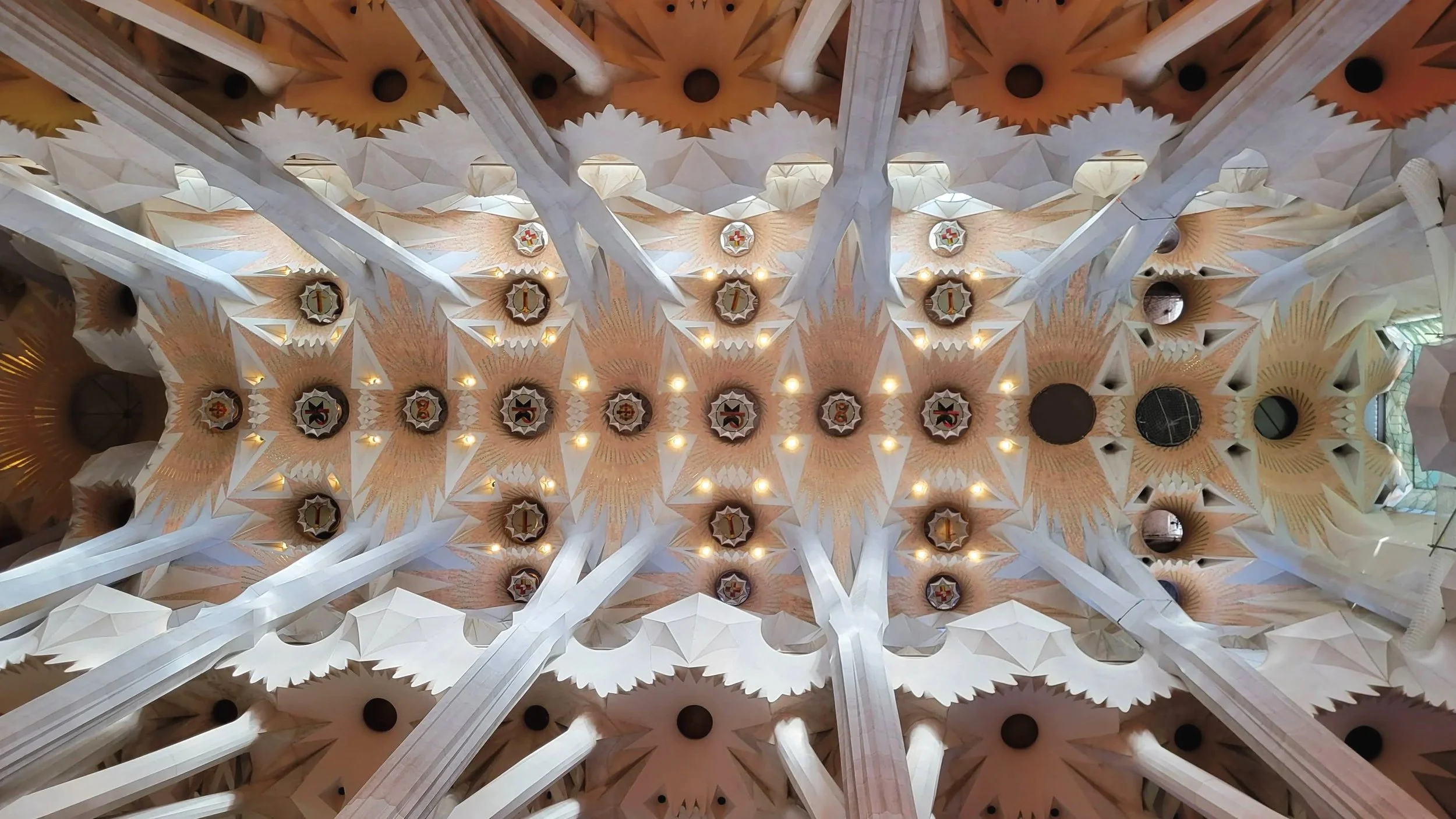
Ceiling of Sagrada Familia
The Must Sees
Even if you’re not an architecture nerd, these pieces are for the masses. Their undeniable beauty and wild designs, will capture anyone’s attention.
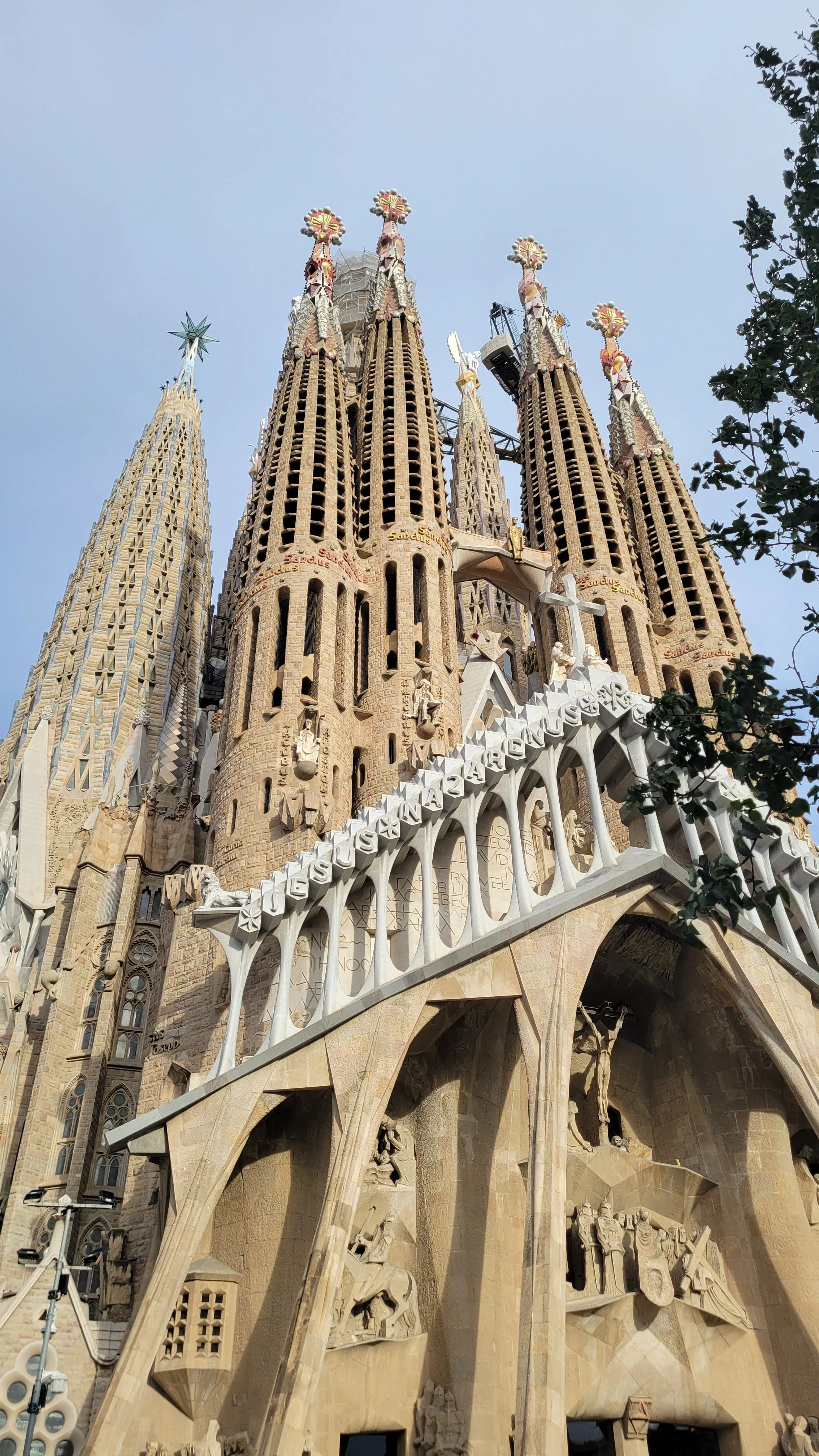
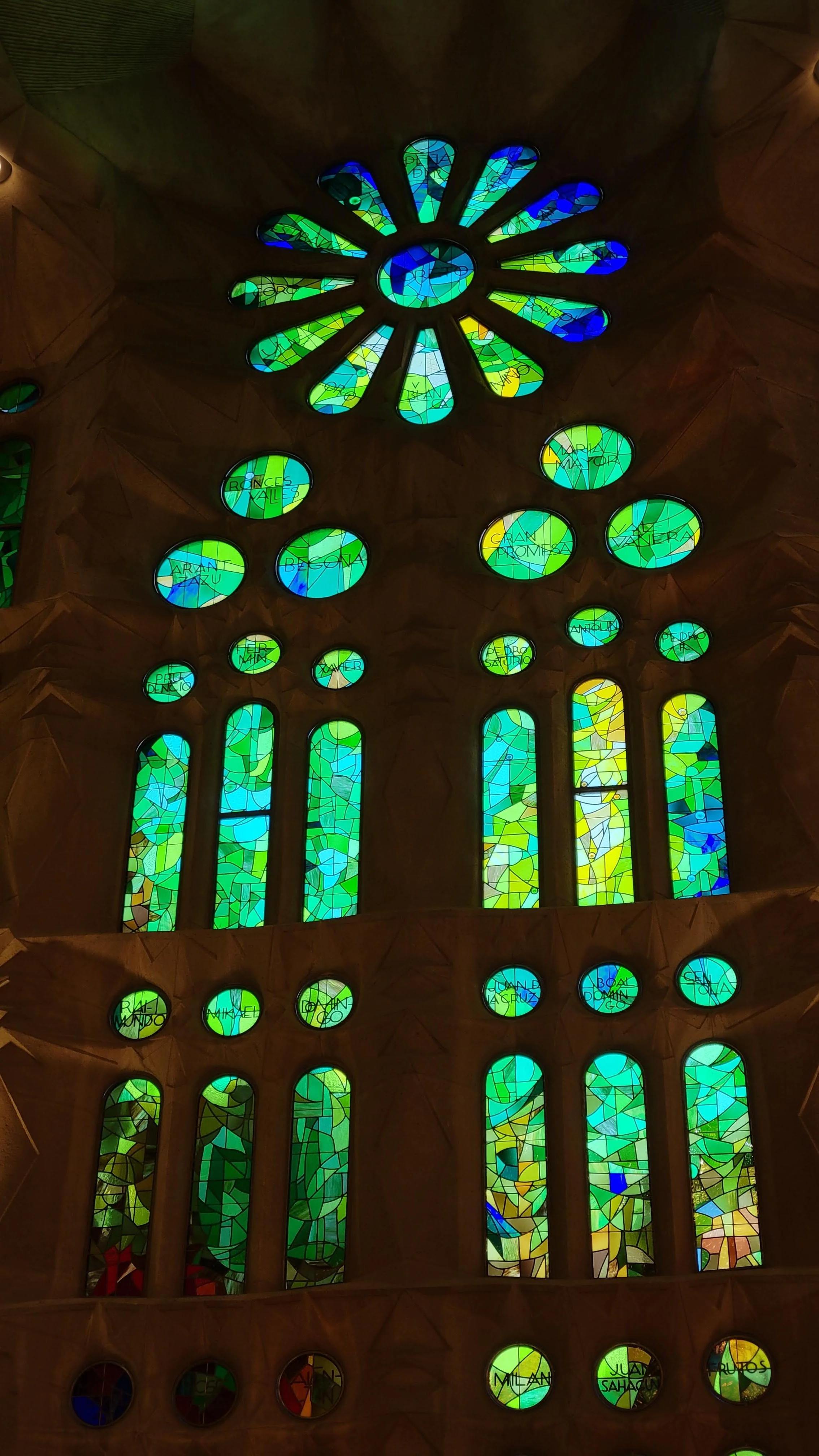
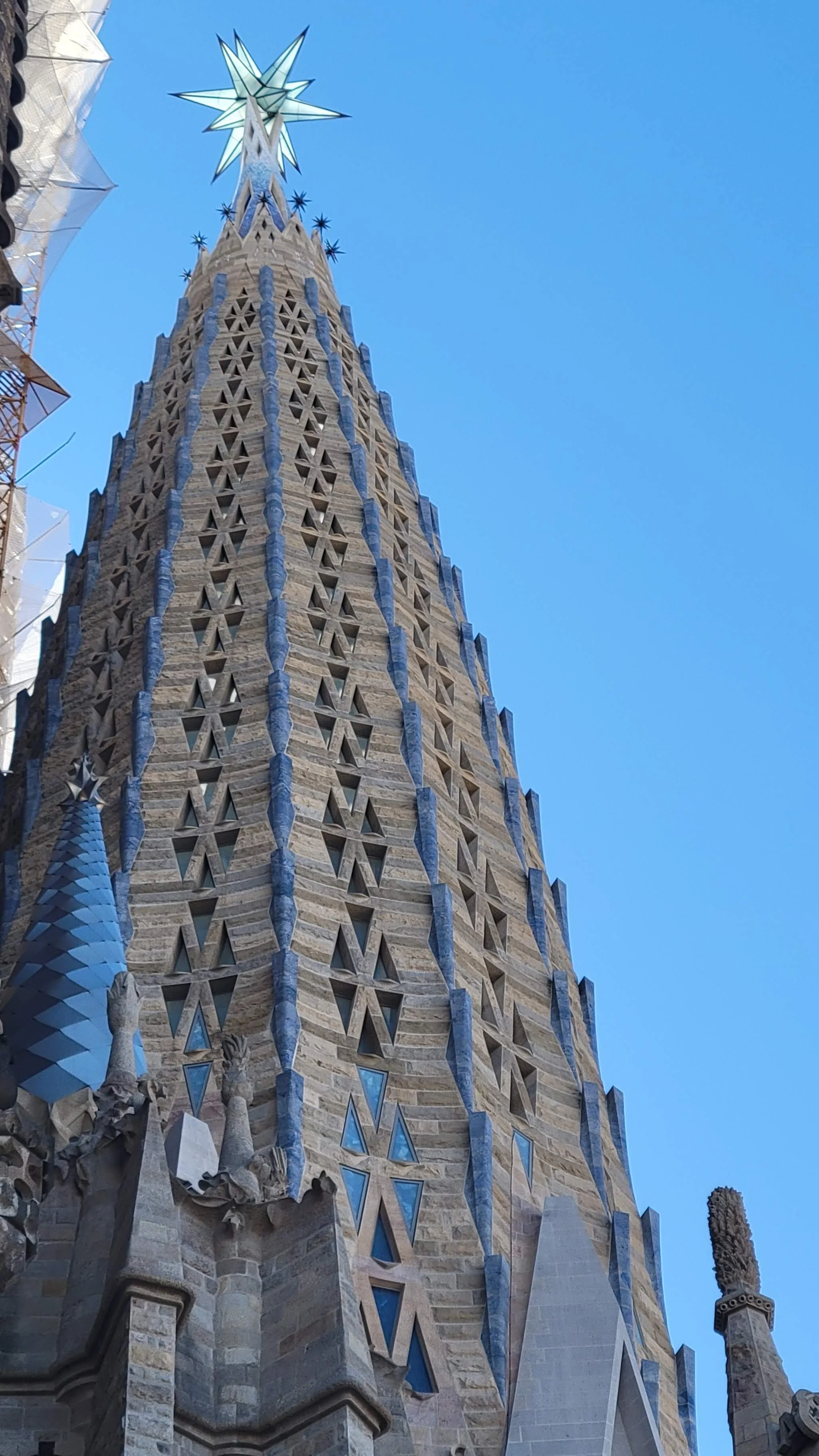
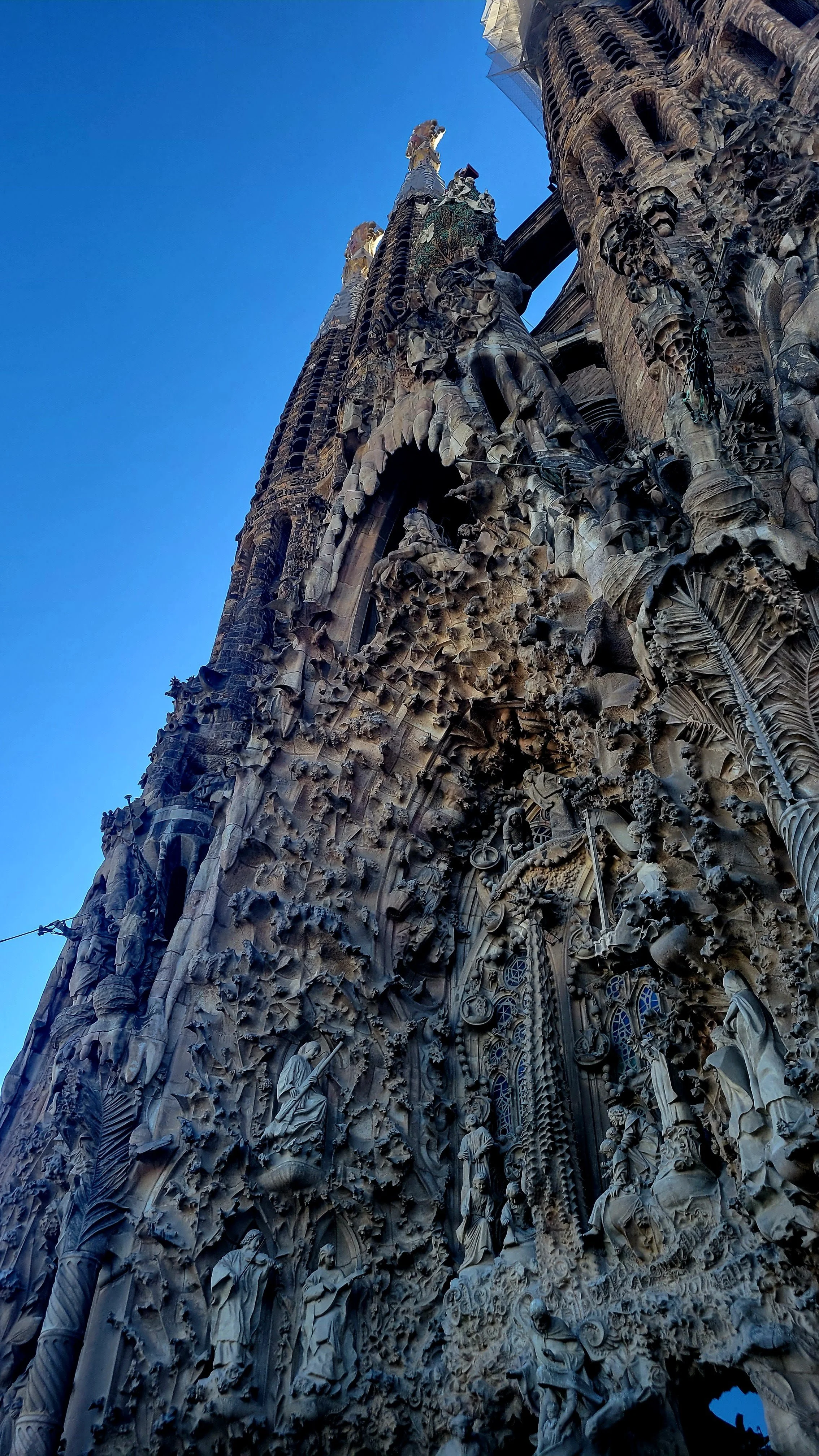
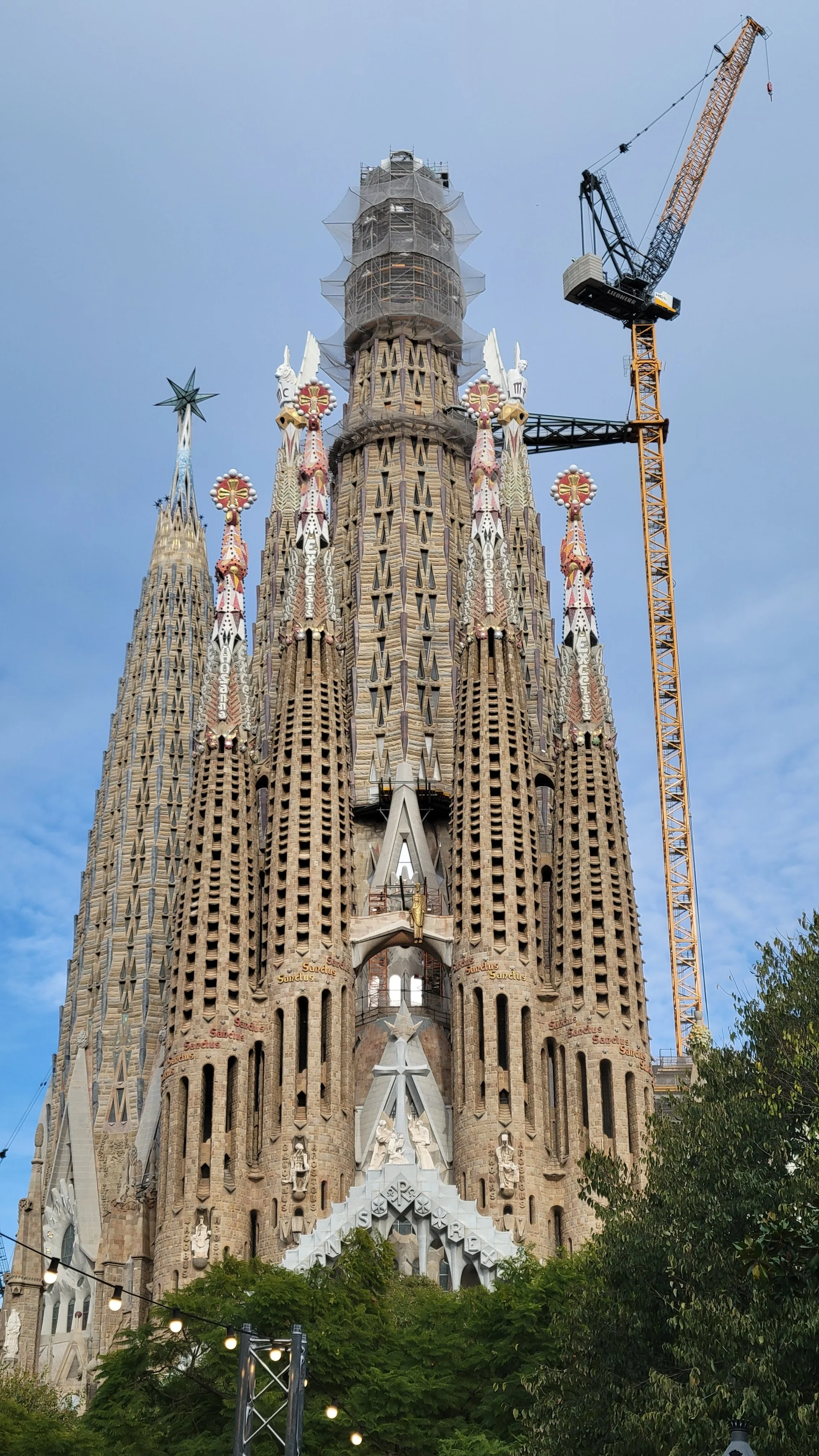
Sagrada Familia
Year: 1882-present
Public Access: Yes
UNESCO Site: Yes (only the crypt and the nativity facade as of yet)
Let me start by saying that I’m not a particularly spiritual person — the closest I get is the awe I feel when I’m in the midst of nature. But regardless, this space will make you feel things. Whether it’s faith or just a deep appreciation of beauty, the Sagrada Familia is Gaudí’s most famous work for a reason.
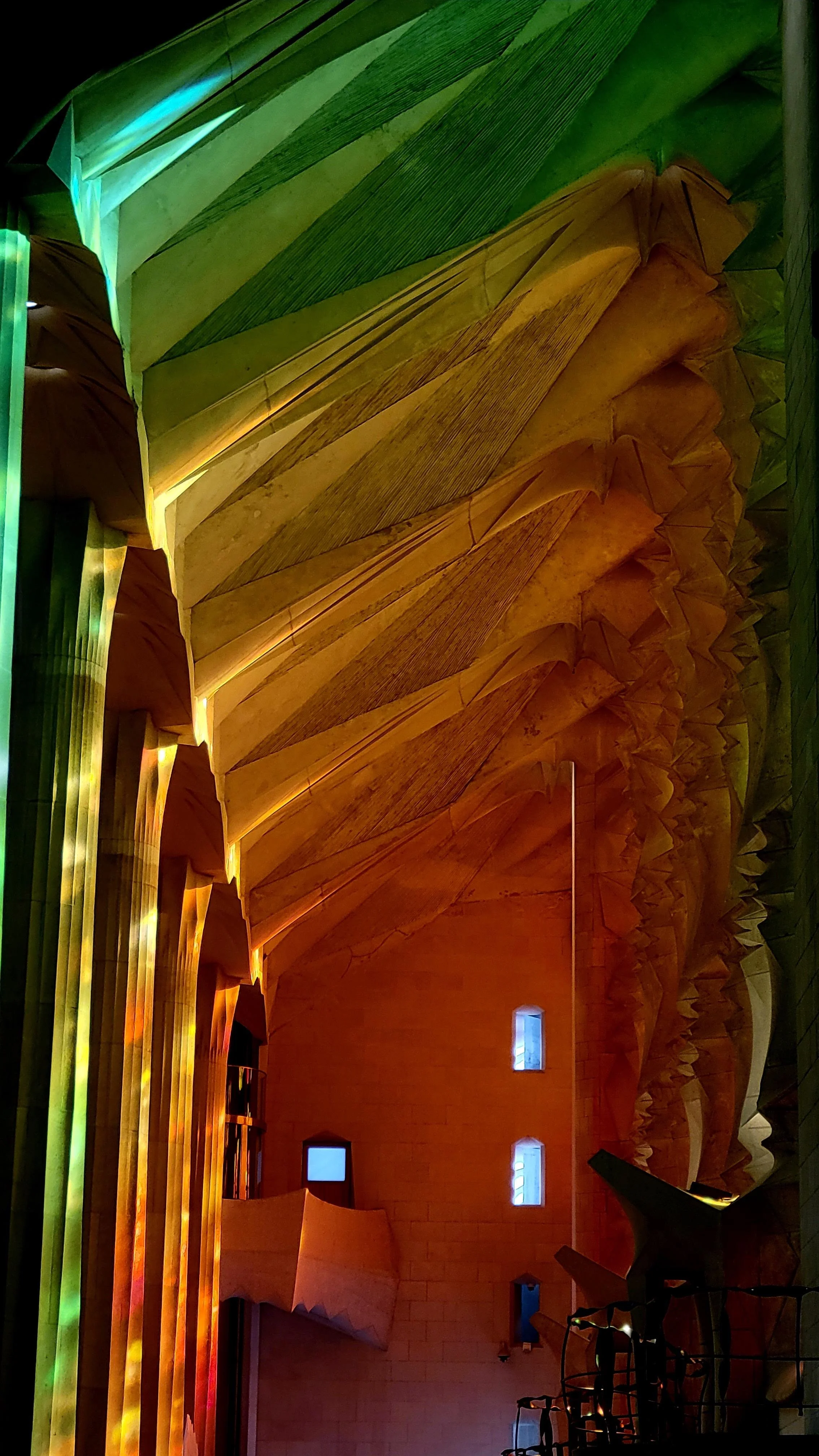
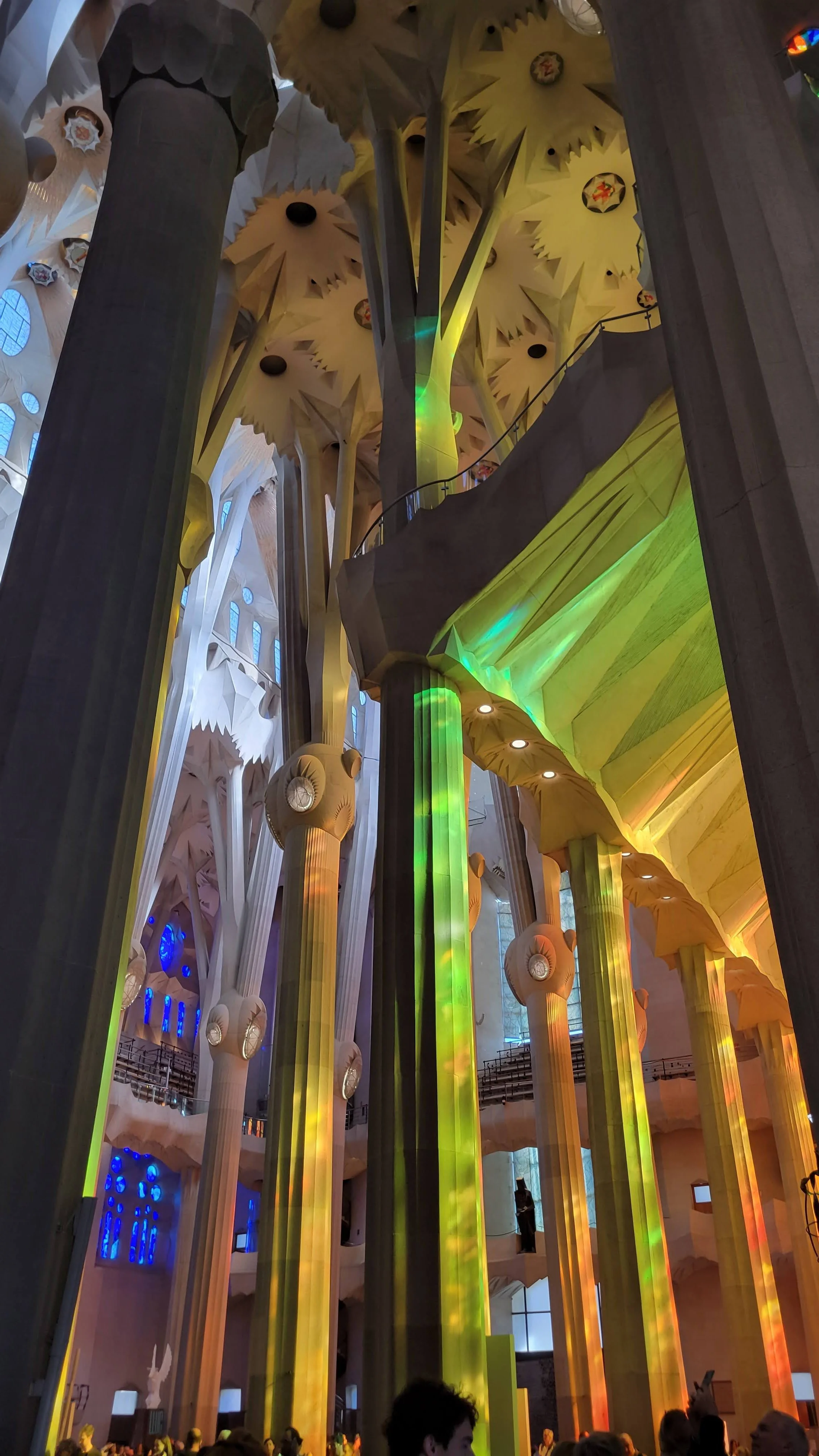
If you can, book your visit for a day when there’s sun in the forecast. The main space is surrounded by vividly coloured stained glass windows that completely change the space when sunlight shines through them. On the east side, the windows are deep blues and greens, creating a calming effect in the morning light. The west side is my favourite, though, with its hues of red; the space feels alive with passion and warmth when the afternoon sun shines through.
When you’re planning your visit, book these tickets ahead of time! Tickets through the official site range from €26-40, depending on whether you want a tour, go up the tower, or just wish to walk through the main space at your own pace. Hours change throughout the year, but try to book your tickets earlier in the day to avoid crowds. Plan to spend 60-90 minutes here (longer if your ticket includes a tower visit) to allow yourself time to go through the security check and thoroughly enjoy the space. Also note that the building is still (as of March 2026) under construction, so check online for temporary closures before making your plans!
Remember that though this is a fun place to visit, it is first and foremost a place of worship. Respect quiet hours and even when you are permitted to speak, do so in hushed tones.
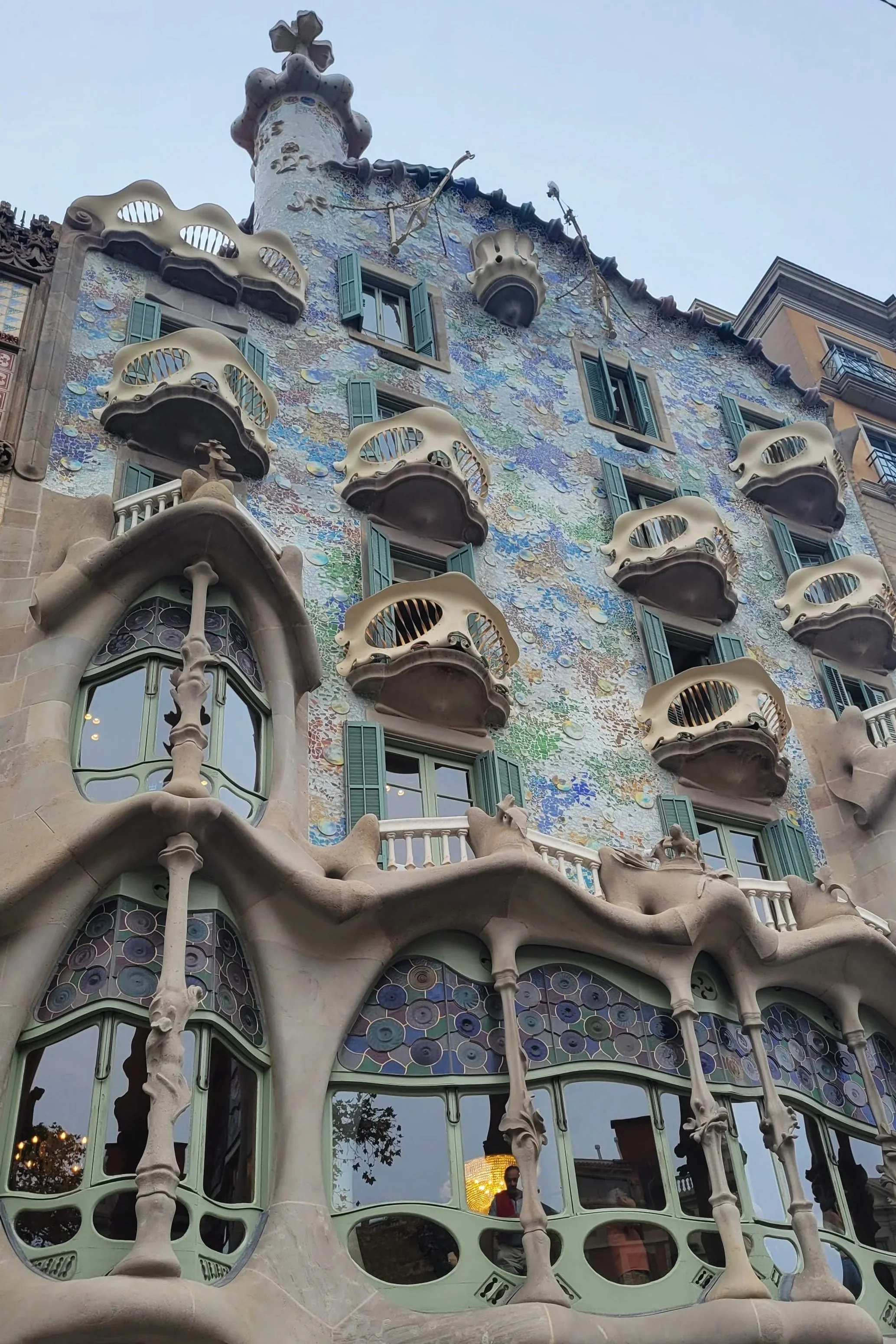
Casa Batllo facade
Casa Batlló*
Year: 1904-1906 (renovation)
Public Access: Yes
UNESCO Site: Yes
Casa Batlló might be less famous than the Sagrada Familia, but it is every bit as impressive. Even if you don’t want to go inside (it’s a little expensive compared to the others) be sure to walk by and appreciate its memorable facade! The mask-like balconies inspired its fitting nickname, “house of masks”.
If you decide to pay the entrance fee, tickets start around €25 for general admission and can be purchased here. The entire interior is like a piece of art that influences every aspect of the space, from the doorknobs to the way light illuminates the rooms. I have yet to go inside, but I’m excited for when I finally do.
Park Güell*
Year: 1900-1914
Public Access: Yes
UNESCO Site: Yes
Park Güell is iconic… or maybe I’m biased as a 90s kid who grew up watching the Cheetah Girls 2 on Disney Channel (Strut anyone??) Either way, Park Güell is a beautiful (if not otherworldly) design with views over the city.
Though this is technically a park, it does require pre-booking a time with paid tickets. Find more information and purchase your tickets here. During peak and shoulder seasons, I would recommend booking a few days in advance as time slots fill up fast.
The Lovers of Design
If you feel like you haven’t gotten your fill of Gaudi’s work, be sure to add these ones to your list.
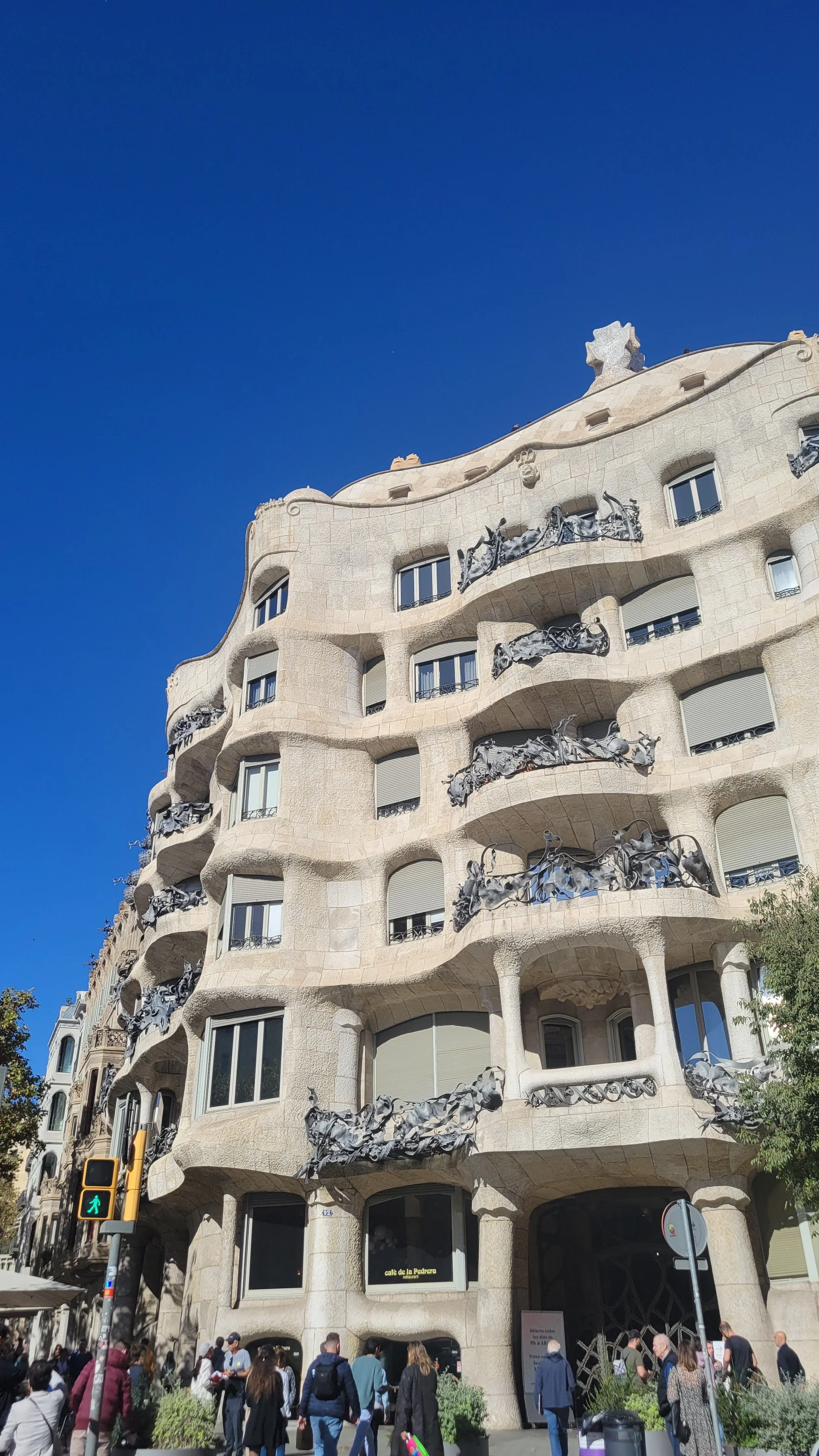
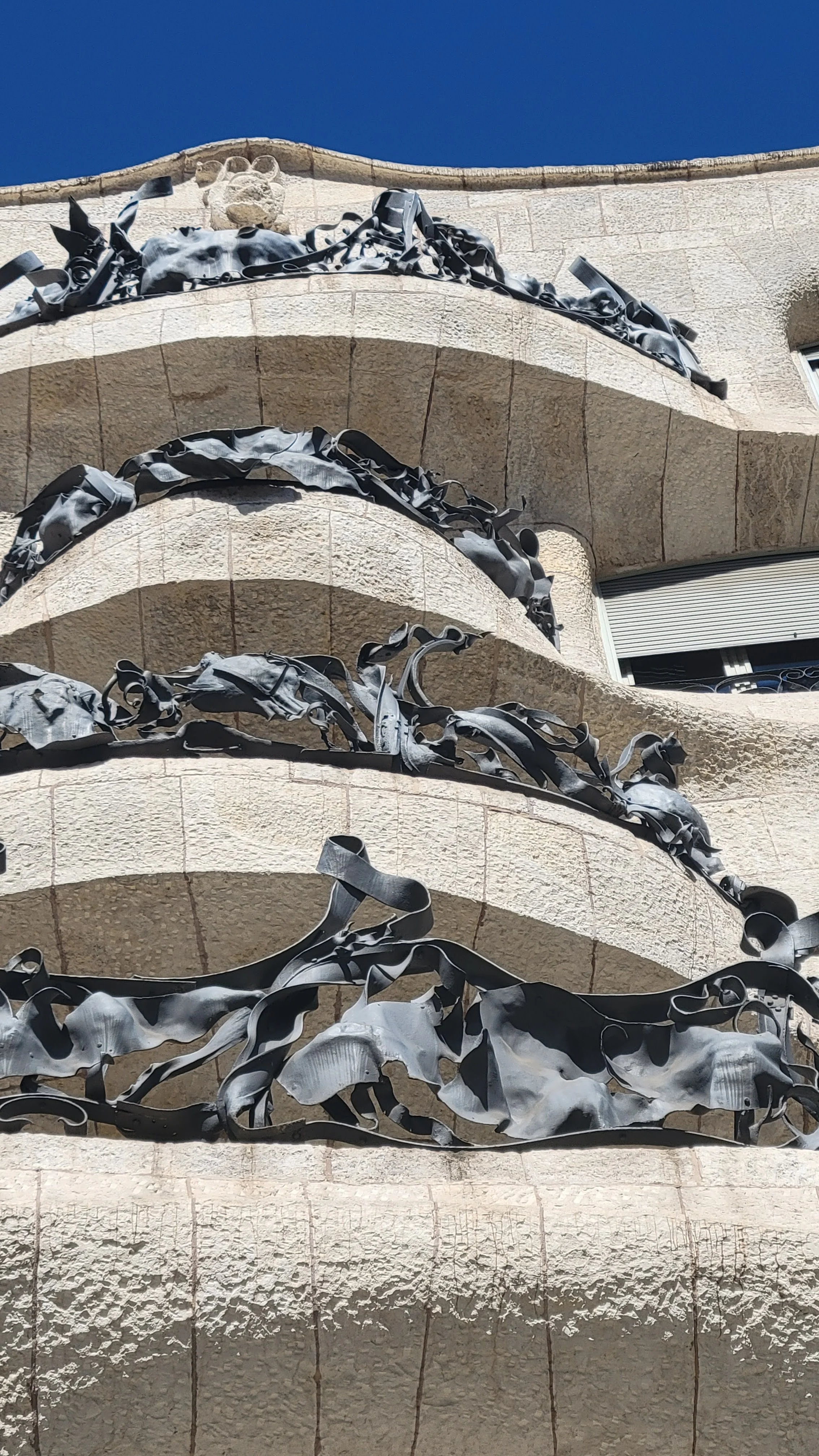
Casa Mila*
Year: 1906-1912
Public Access: Yes
UNESCO Site: Yes
If you love architecture and beautiful design, and want to explore more of Gaudi’s designs, start with Casa Mila. Only a short walk up the road from Casa Batlló, is this other commissioned private residence. The exterior is much less flashy than a lot of his other works, but the organic forms of the facade draw the eye with a more subtle approach. The design uses these organic, fluid shapes throughout the interior space as well.
If you’re looking for a unique experience, consider the Night Experience — complete with sparkling wine and treats — when a light show illuminates the rooftop space. Ticket options can be found on their official site, here.
Casa Vicens*
Year: 1883-1885
Public Access: Yes
UNESCO Site: Yes
The very first of Gaudi’s large commission pieces, Casa Vicens was the beginning of the series of private homes he would design in the city. Covered with colourful and eye-catching mosaics, the home is hard to miss. A small “secret” garden is hidden from view to passers-by, reserved for those who venture inside. If you want to explore this lower-traffic gem, grab your tickets ahead of time, here.
The Die Hards
If you have the time and interest, the following are his remaining works throughout the city. Many of them are not accessible to the public, but you can admire the exteriors from the sidewalk.
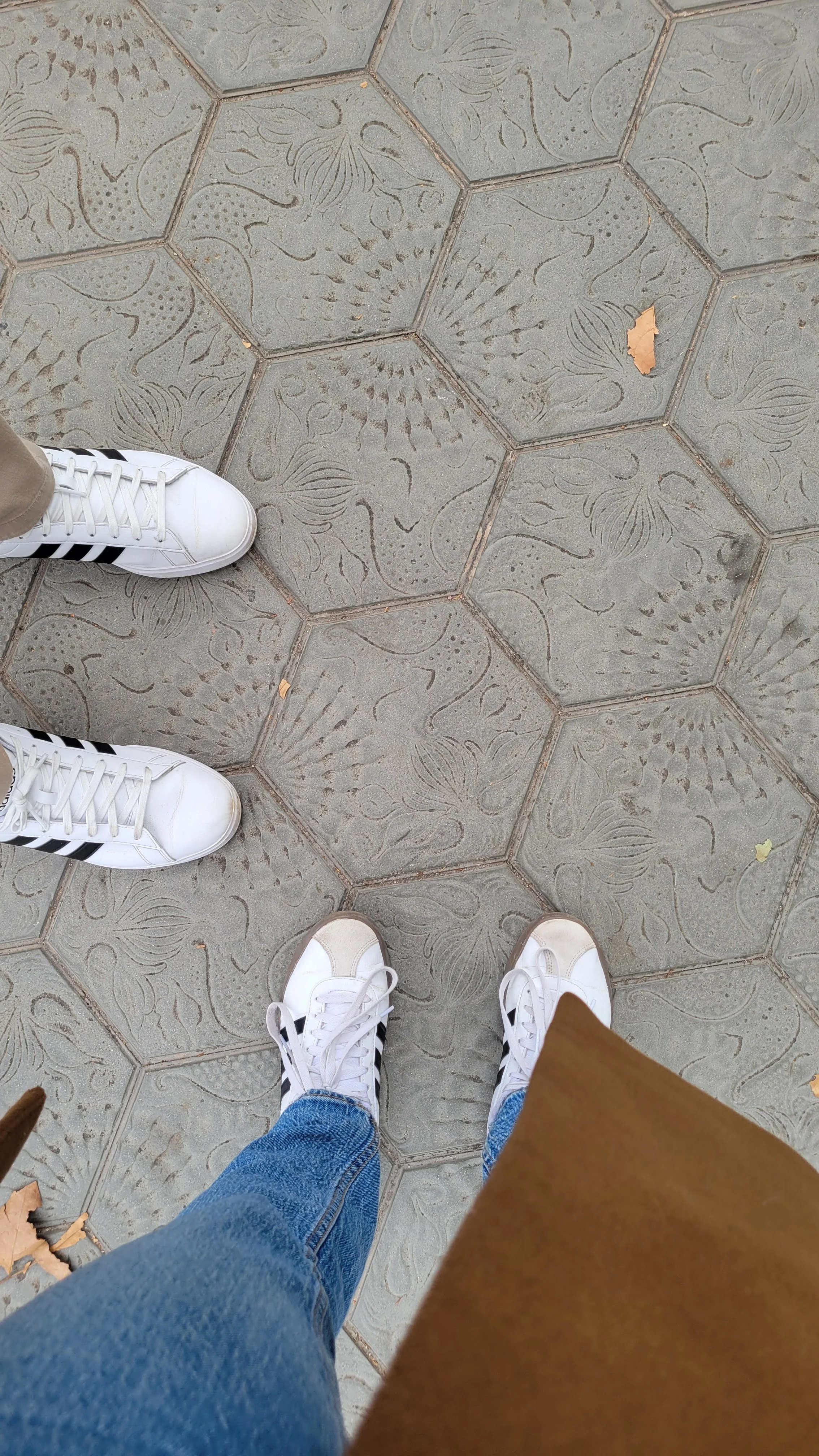
Tiles on Passeig de Gracia designed by Gaudi
Casa Calvet*
Year: 1898-1900
Public Access: No
UNESCO Site: No
Designed as a private residence at the end of the 19th century, Casa Calvet is a more conservative design than his other domestic designs.
Torre Bellesguard*
Year: 1900-1909
Public Access: Yes
UNESCO Site: No
The exterior was loosely inspired by Catalan Gothic style, while the interior has more of Gaudi’s typical modern details.
Palau Güell*
Year: 1886-1888
Public Access: Yes
UNESCO Site: Yes
One of the first of many commissioned designs for the Güell family. The exterior is quite brutal and plain compared to some of his other works in the city, but inside the space is nothing less than ornate.
Güell Pavilions*
Year: 1884-1887
Public Access: Limited
UNESCO Site: No
A couple of buildings flanking a gate which features a wrought-iron dragon.
Church and Crypt of Colonia Güell*
Year: 1890-1917
Public Access: Yes
UNESCO Site: Yes
An unfinished piece, the crypt is the only finished part of the design.
College of the Teresians*
Year: 1888-1889
Public Access: No
UNESCO Site: No
Very simple in it’s overall aesthetic, the Gaudi flair is seen in the details. The building is still used as a working school today.
Sagrada Familia Schools
Year: 1908-1909
Public Access: Yes, with Sagrada Familia access
UNESCO Site: No
Built on the site of the Sagrada Familia, it was intended to be used as a school for the children of the builders as well as local children.
