A Weekend in Palermo
Visited: January 2026Welcome to Palermo! After finding some great flight deals, Tys and I decided to head to the biggest city in Sicily for two nights at the end of January. If you’re looking for an off-season adventure, I cannot recommend Palermo enough. We loved it, especially the food! Arancine anyone?
The history of this island is marked by centuries of conquests, which have culminated in the Sicilian culture as it is known today. Seen in everything from local food to the language itself, Sicily has a proud identity that is entirely its own.
Our two-day visit was the perfect taste of Palermo, and I left knowing we’d have to return! Below is everything we did, how to get to the city centre from the airport, where (and what) to eat, and exactly what it cost.
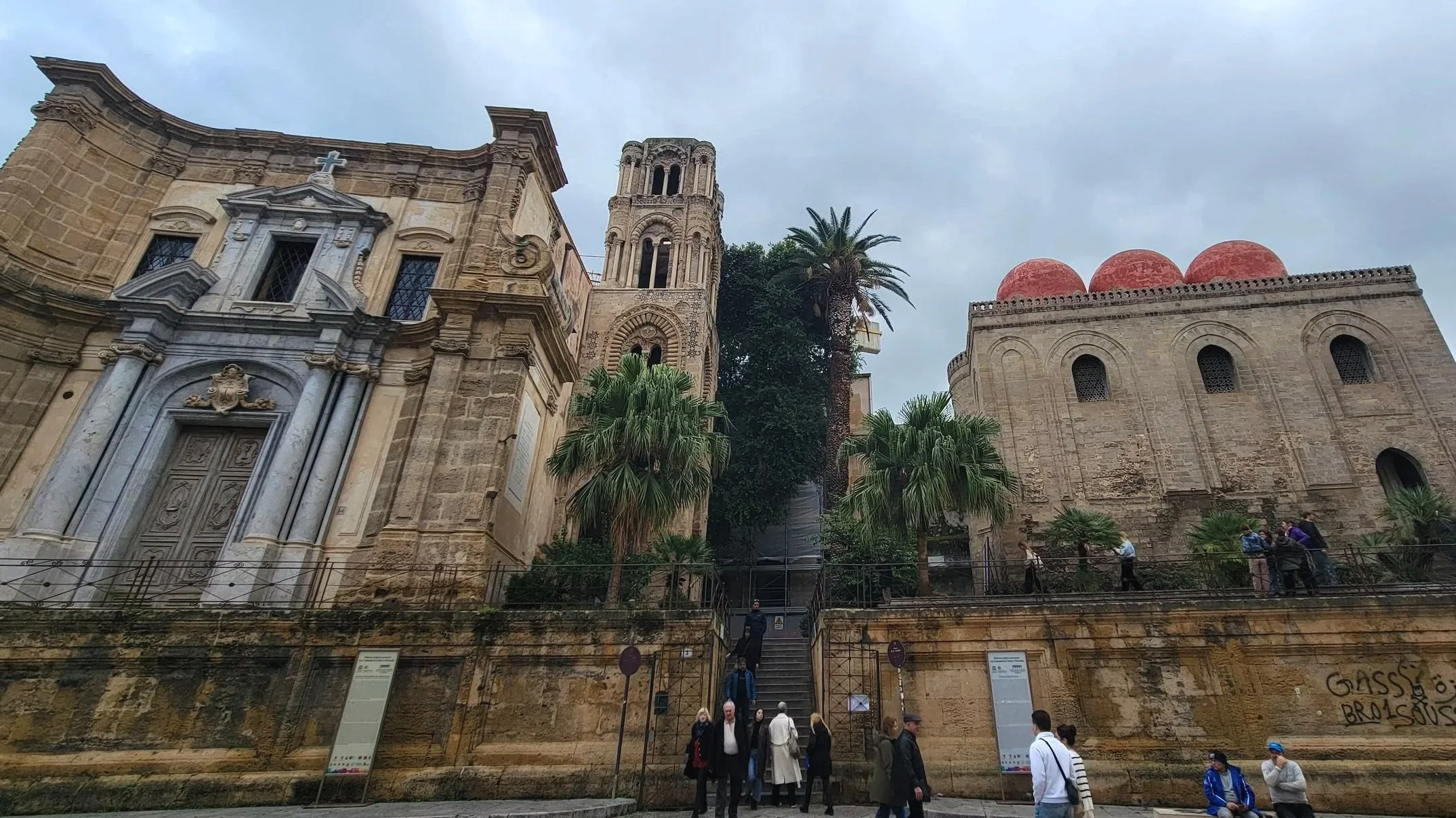
Two churches in Piazza Bellini
Getting from Palermo Airport to the City Centre
We decided to take the train from the airport to the city centre — fast, affordable, easy to navigate. It’s the perfect option if you’re staying near the historic centre.
To find the train, look for the easy-to-follow red signs (marked treni/trains). They’ll direct you from the arrivals terminal to the departure platforms. Trains run every half hour between 5:20 am and 10:45 pm (as of January 2026). Tickets cost €6.50 each way, and can be purchased at the ticket machines near the platform or through the Trenitalia app. The trip will take around an hour to Palermo Centrale.
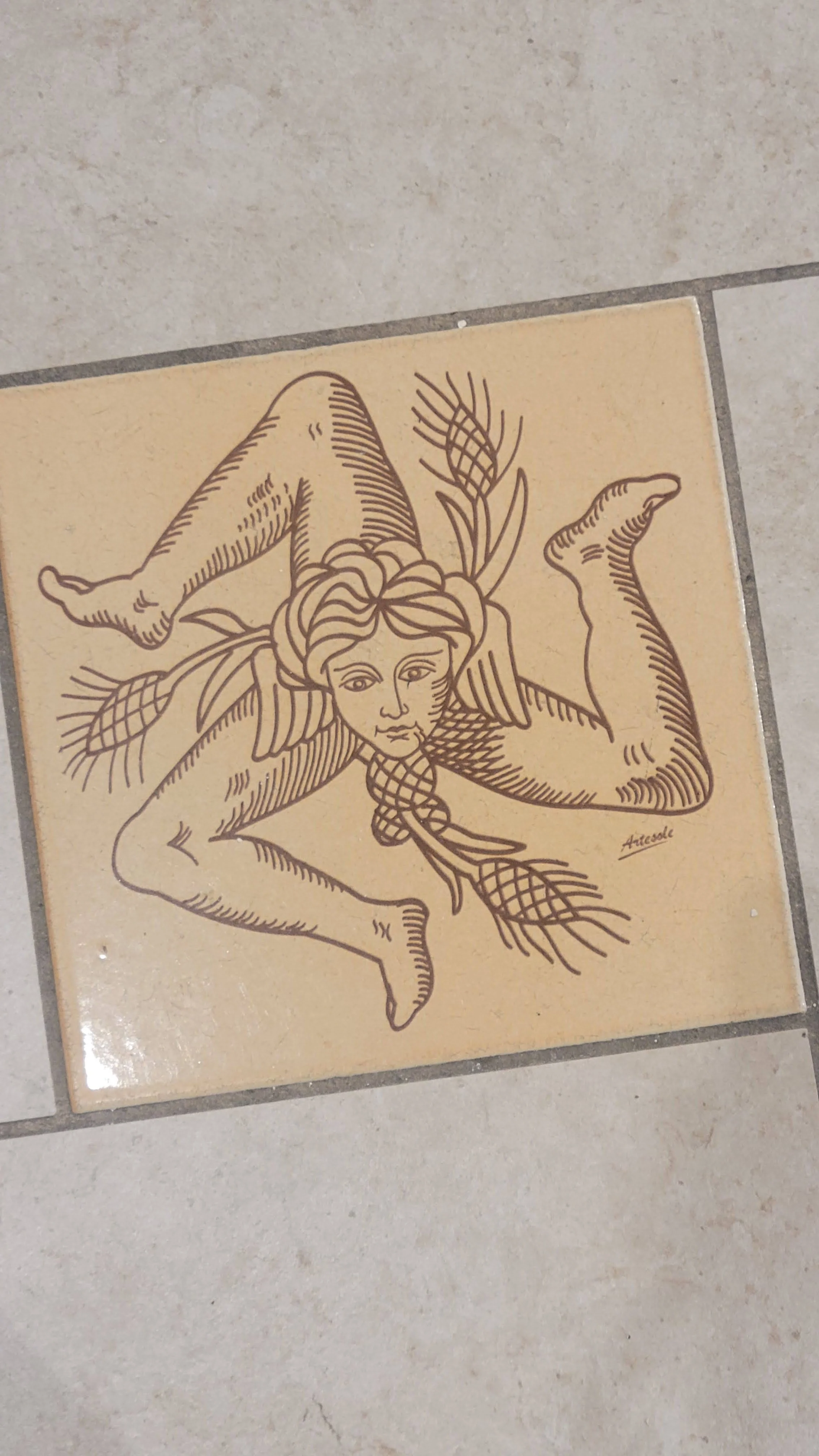
A tile with the Sicilian flag logo
If you’d rather not take the train, there are also private taxis, shared taxis and buses. You’ll find the private taxis outside the arrivals terminal to the left of the exit. If you’re looking to find the buses or shared taxis, you’ll find them out the same door to the right.
Sightseeing in the Historic Centre
All of the stops listed below are walkable, and you can easily plan your route through the area based on time and energy. If you’re short on time, the Cathedral and Quattro Canti were my favourites!
Cattedrale di Palermo
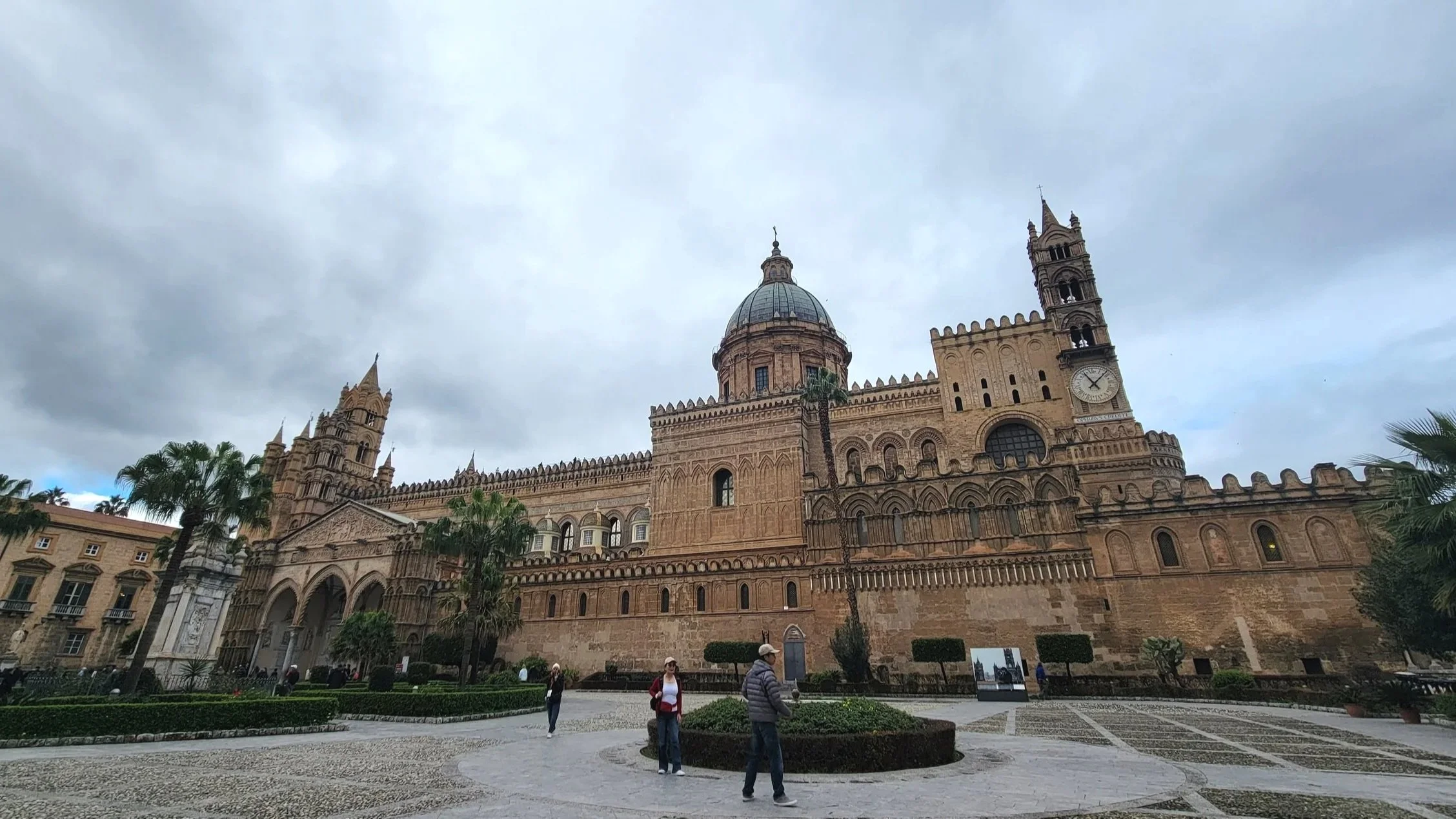
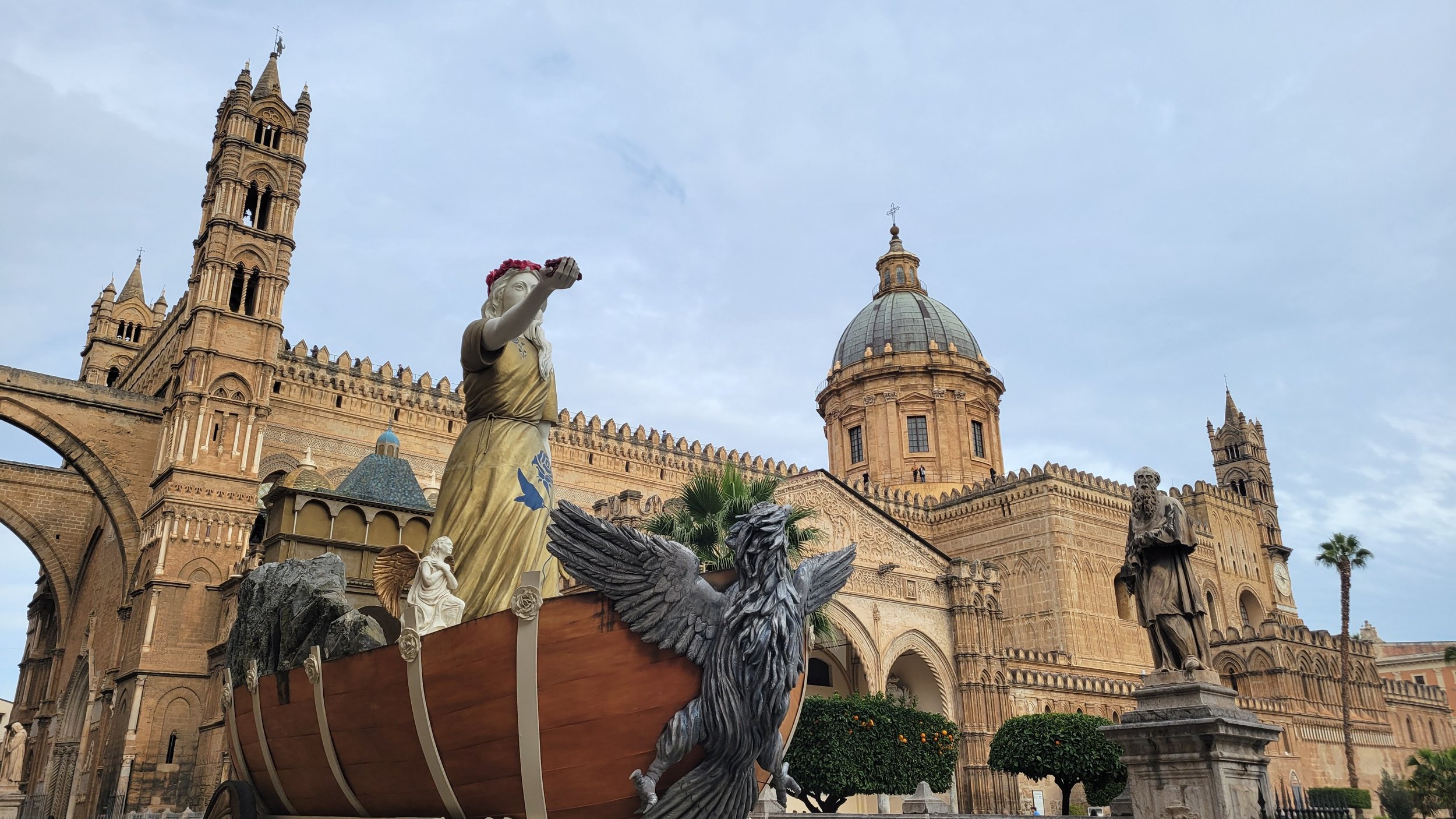
The site of the Palermo Cathedral was not unfamiliar with housing places of worship when the current structure was built in 1185. Originally used as the location for a temple to the Virgin Mary, it then became the site of a mosque during Arab rule. The current structure was built when the Normans rose to power in Palermo and has remained through the centuries since. Today, it serves as the seat of the archbishop.
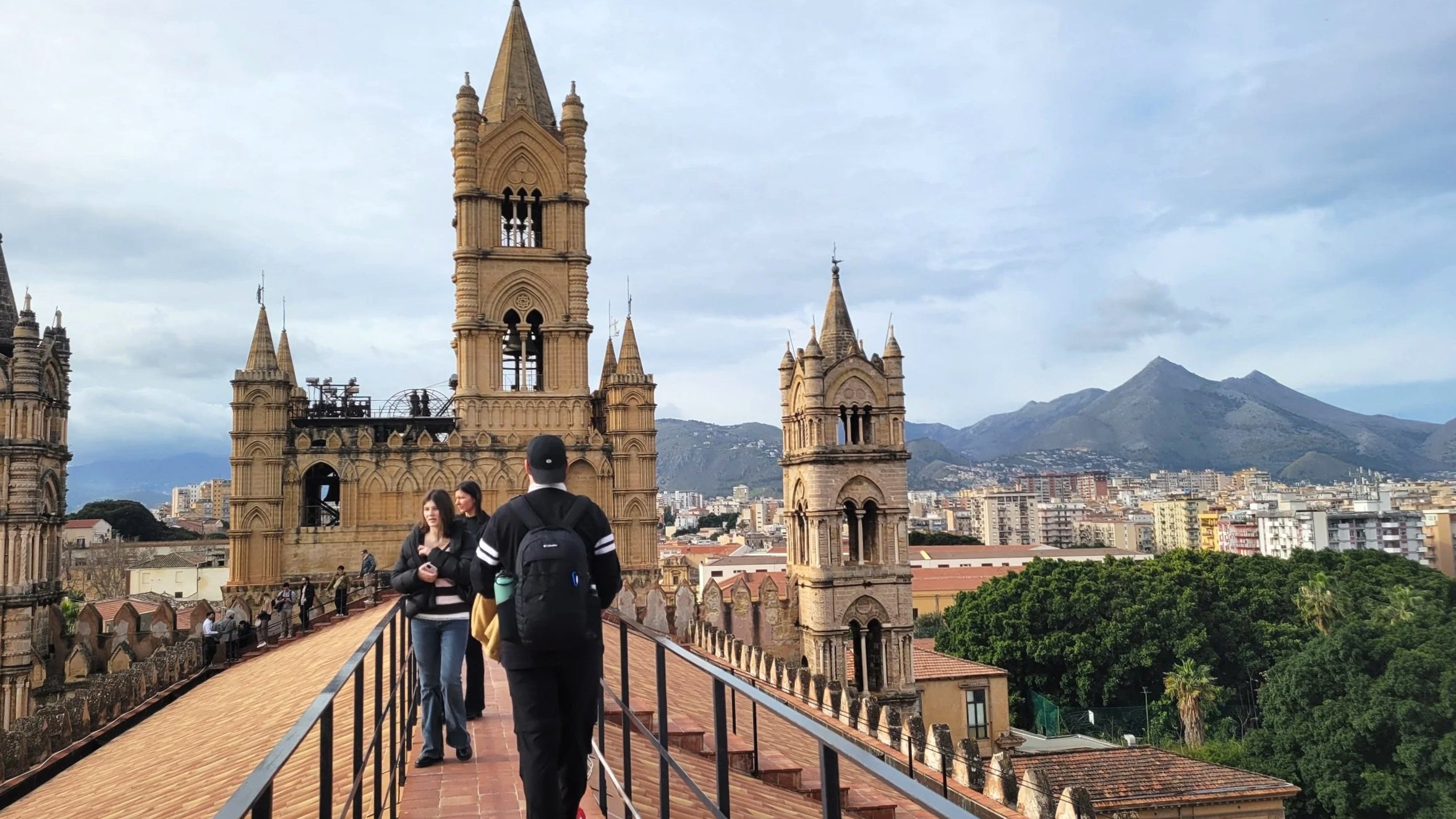
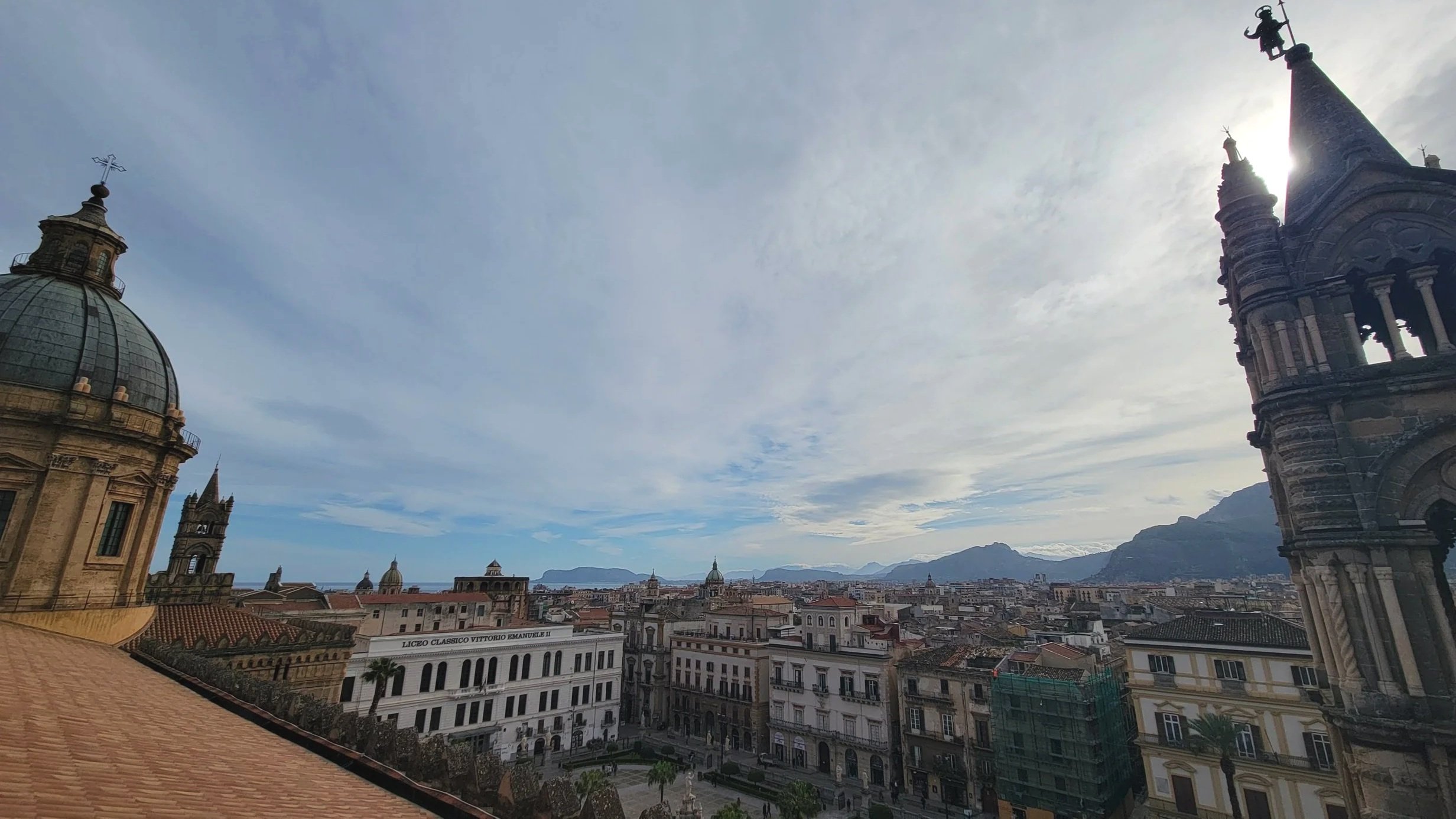
As long as you visit outside of service hours, the nave (main area) of the church is open to the public, free of charge. The really impressive part of this building, though? The view from the roof! If you have the time, consider paying for roof access; it’s worth it. Fair warning, the only way up (and down) is by way of narrow staircases, so get ready to reach your step-count goals! There is also access available to the treasury, apses, crypt and more.
Tickets to the roof and other limited-access zones can be bought at the ticket office or online here.
Outside the cathedral, you would be hard-pressed to miss the large monument of a woman in a rose crown. This is Santa Rosalia, the patron saint of Palermo. Every year, the city celebrates her with a festival (10th-15th of July) and constructs a float in her honour, which is then displayed in front of the cathedral until the following year’s celebration.
No Mafia Memorial Museum
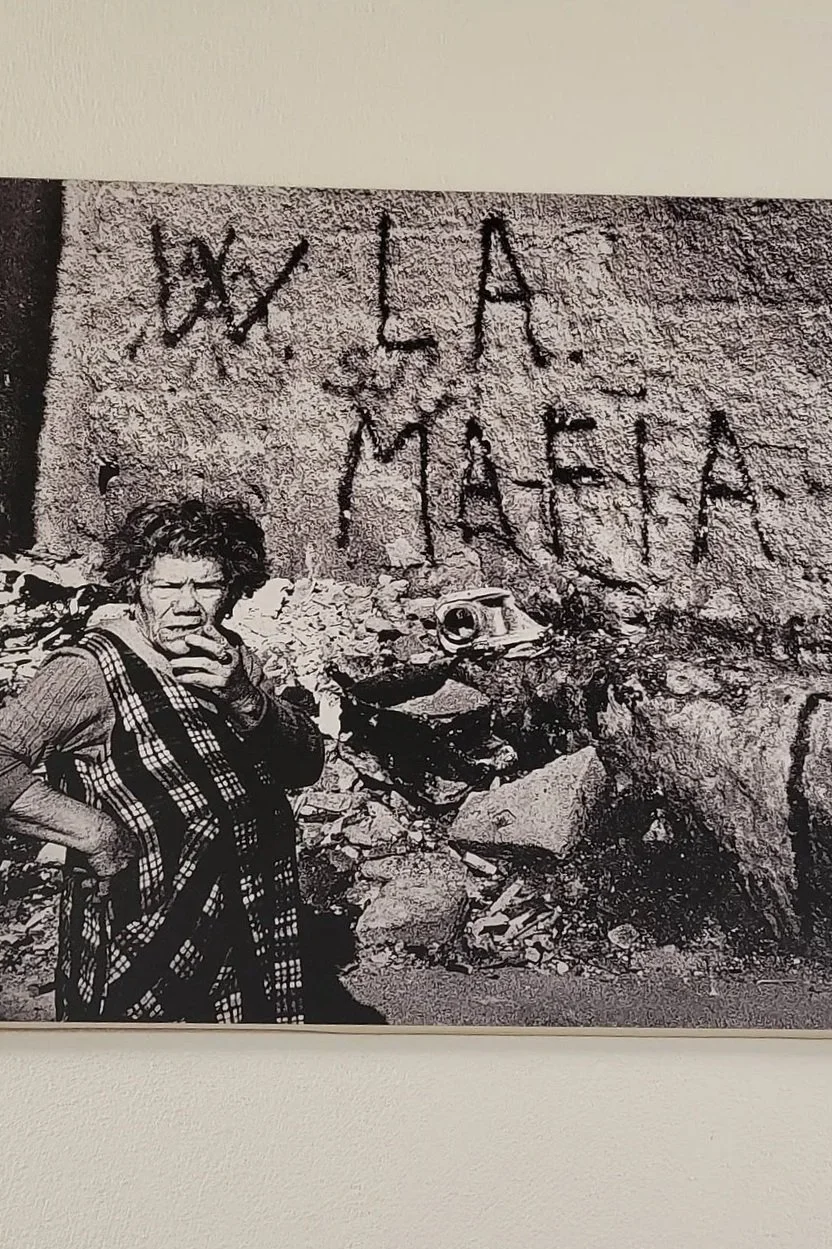
This stop carries a lot of heaviness, as it focuses on the Mafia’s impact on Sicilian daily life. Over decades, the organized crime sowed fear through violence and intimidation for many communities. If you’re curious about this part of Sicilian history, the No Mafia Memorial is free and provides a lot of insight into the Mafia’s rise and fall.
Quattro Canti
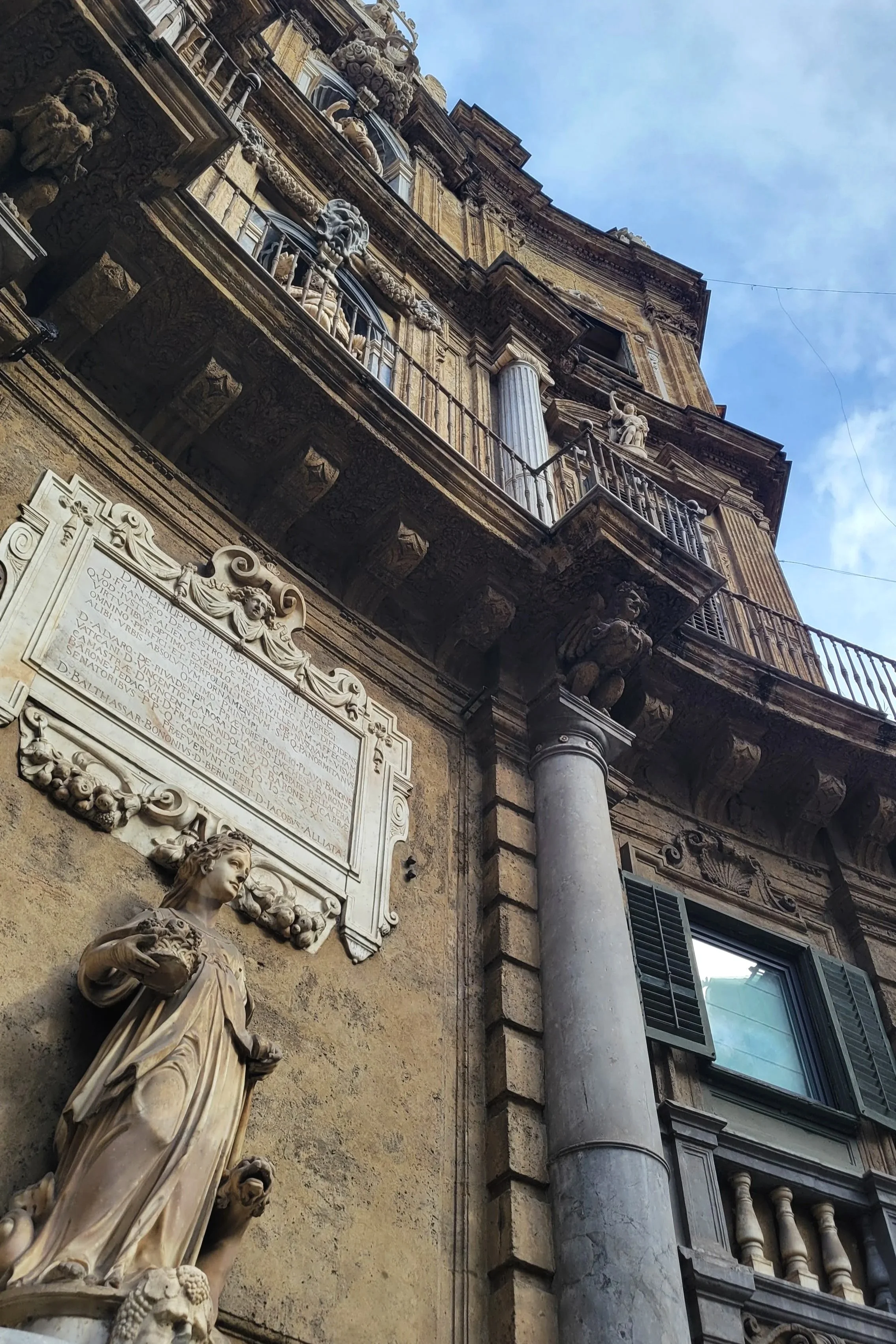
Quattro Canti literally translates to four corners and is where the two main roads running through the historic centre — Via Maqueda and Via Vittorio Emanuele — meet. It’s the perfect reference point when navigating this part of the city.
Beautiful and intentionally designed, you will notice there are three levels of statues on each of the four walls. On the ground level, each corner’s fountain represents a season. The statues on the second level each depict a Spanish king as Sicily was under Spanish rule during the construction. In the third and final tier stand the statues of the four female patron saints of Palermo (from before Rosalia).
Fontana Pretoria
You might notice that Fontana Pretoria looks a little out of place compared to the rest of Palermo’s designs. If you did, you would be absolutely right in thinking so. Originally designed and built for a private villa in Florence, the fountain was later sold to the city of Palermo. It was cut into over 600 pieces and shipped to its new home.
After all the effort to get such a massive fountain down to Sicily, the locals unofficially renamed it the “Fountain of Shame,” scandalized by the nude statues of mythic beings and creatures.
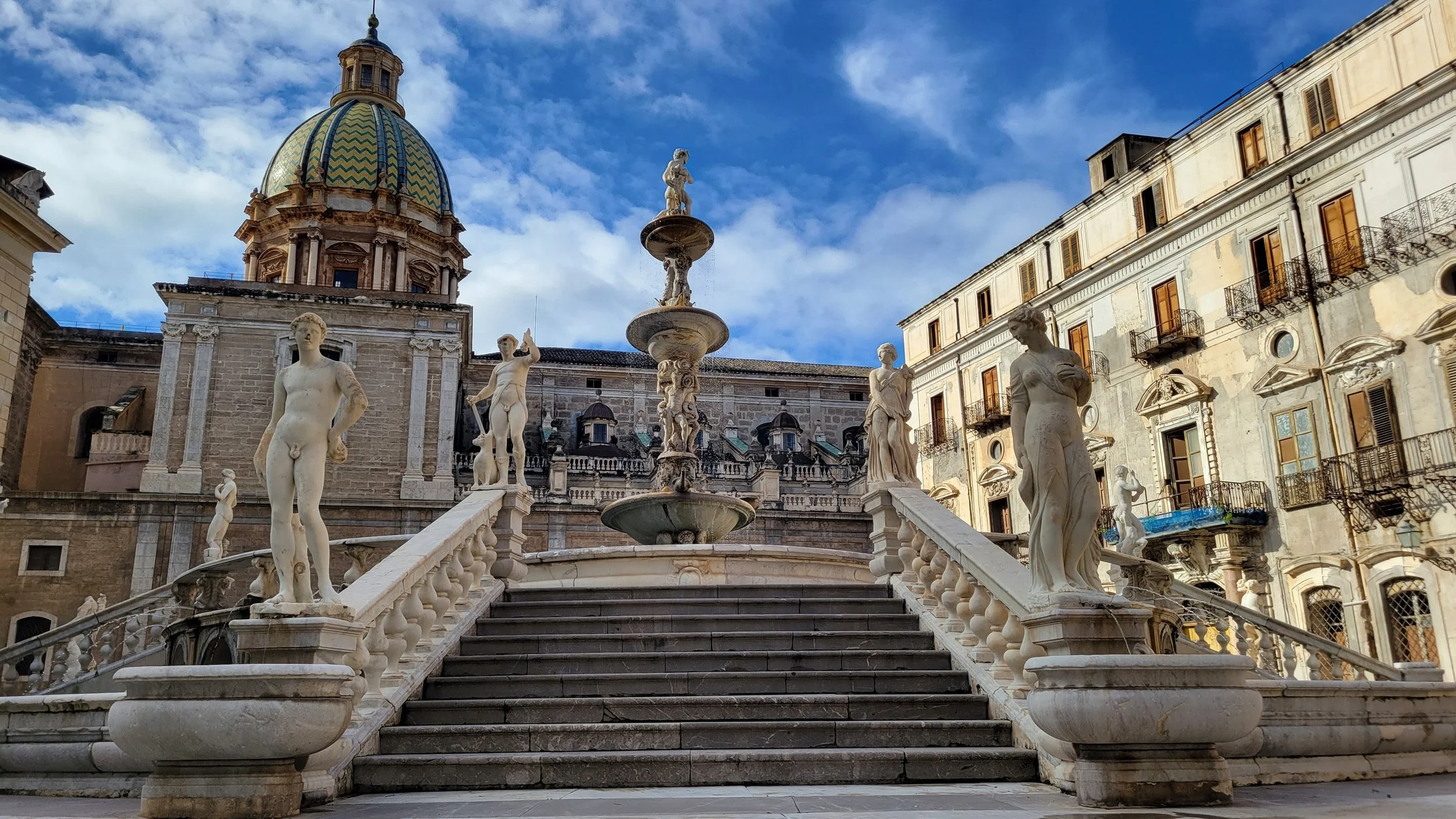
Fontana Pretoria
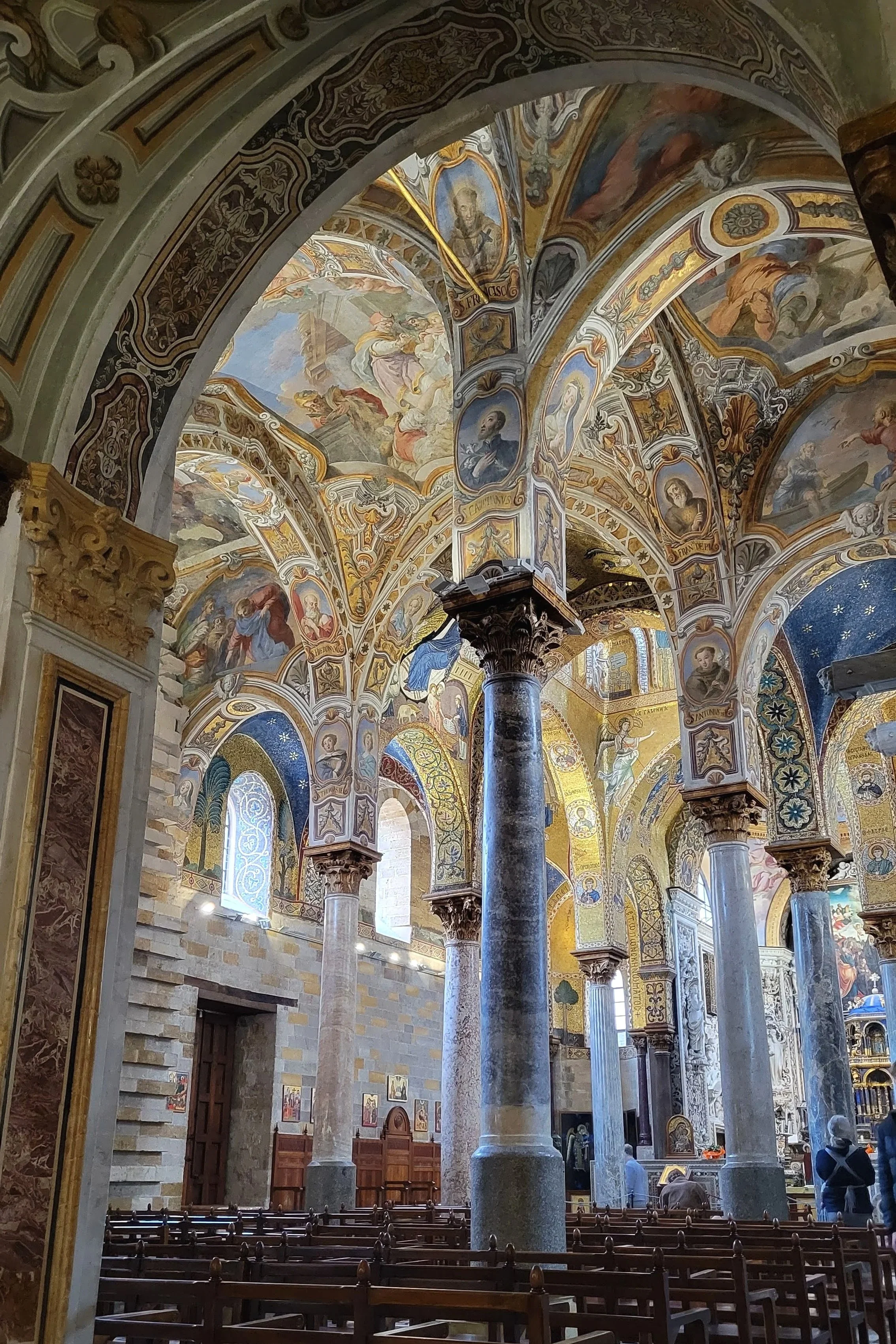
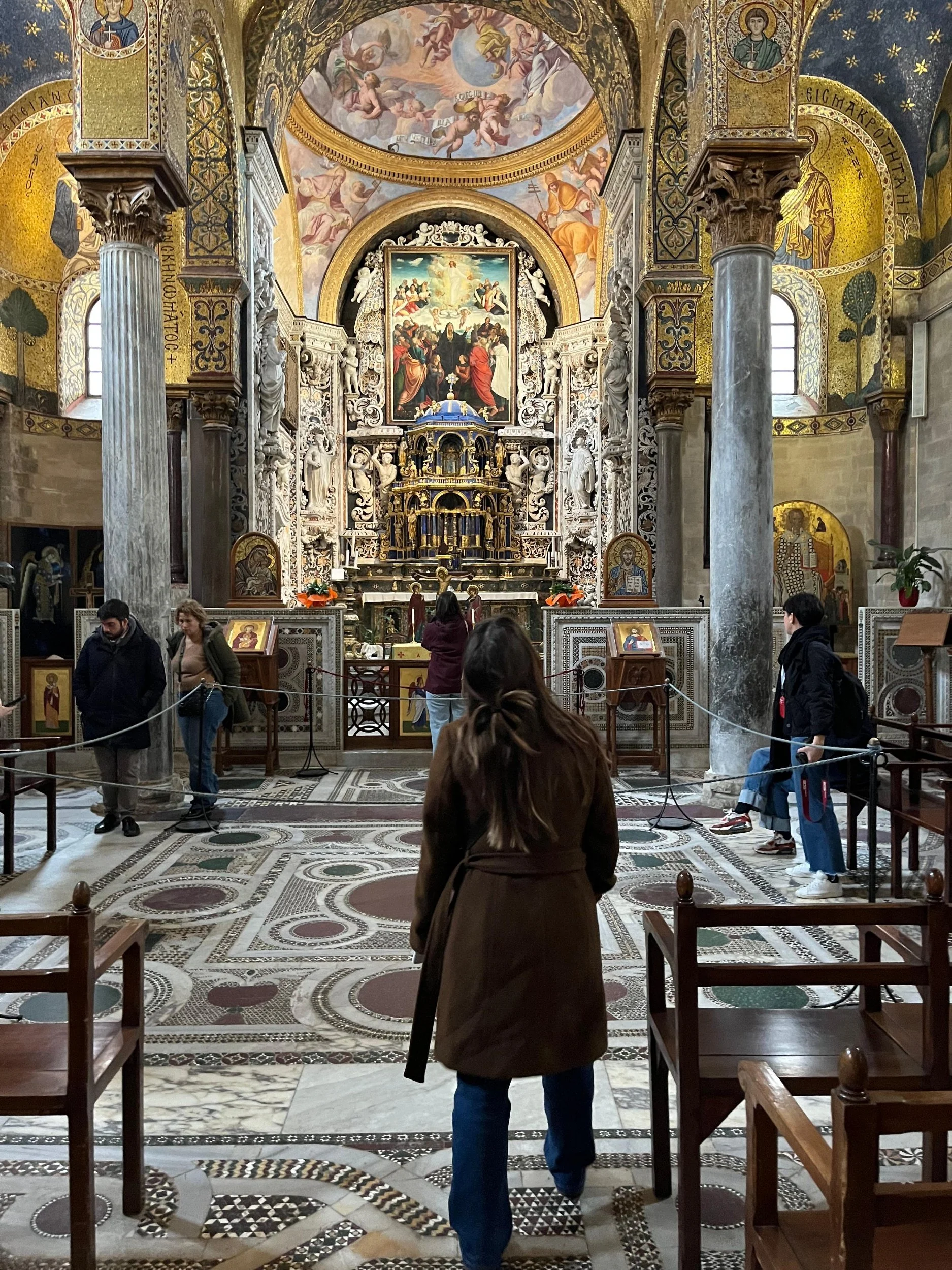
Chiesa Santa Maria dell'Ammiraglio
Just around the corner from Fontana Pretoria, you will find Piazza Bellini and Chiesa Santa Maria. This small church has a stunning interior, decorated with beautiful mosaics that are well worth the €2 entry fee to see.
Standing in the middle of Piazza Bellini, you will be surrounded by three churches, each from a different era, with unique designs.
Teatro Massimo*
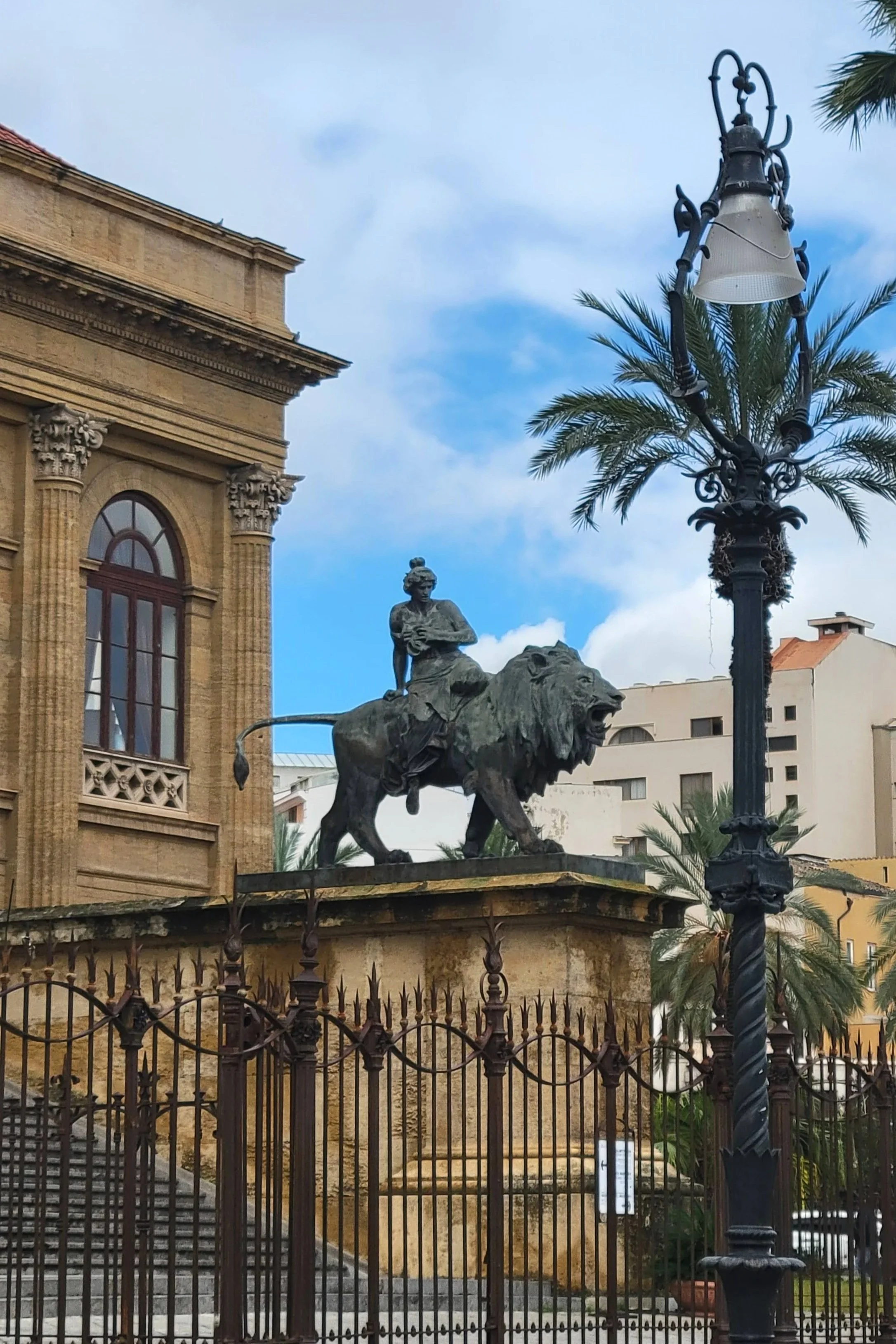
The largest opera house in Italy, Teatro Massimo, has stood in the heart of Palermo since the late 1800s. If you’d like to see the grand interiors, tours (approximately 40 minutes) of the space happen daily. Or better yet, consider grabbing tickets to an opera performance in a theatre that seats over 1300 occupants.
Opera dei Pupi*
If you’re not feeling a classic opera show, consider the Sicilian Opera dei Pupi instead. These puppet shows have been listed as a UNESCO intangible cultural heritage piece. If you happen to be in town during a show, they only last about an hour and are part of the city’s cultural history from the early to mid-19th century.
Sign up for a Free Walking Tour
If you’re hoping to get a better understanding of the history, design influences, and more, consider signing up for a free walking tour. In my opinion, it’s one of the best ways to learn about a city. We signed up for one, here. Our guide provided a great overview of the historic centre, which helped us decide what we wanted to see more of.
Gentle reminder that free tours are free to sign up, but it is expected to leave a tip for your guide. The tip is the only compensation for their time, so remember to bring some cash!
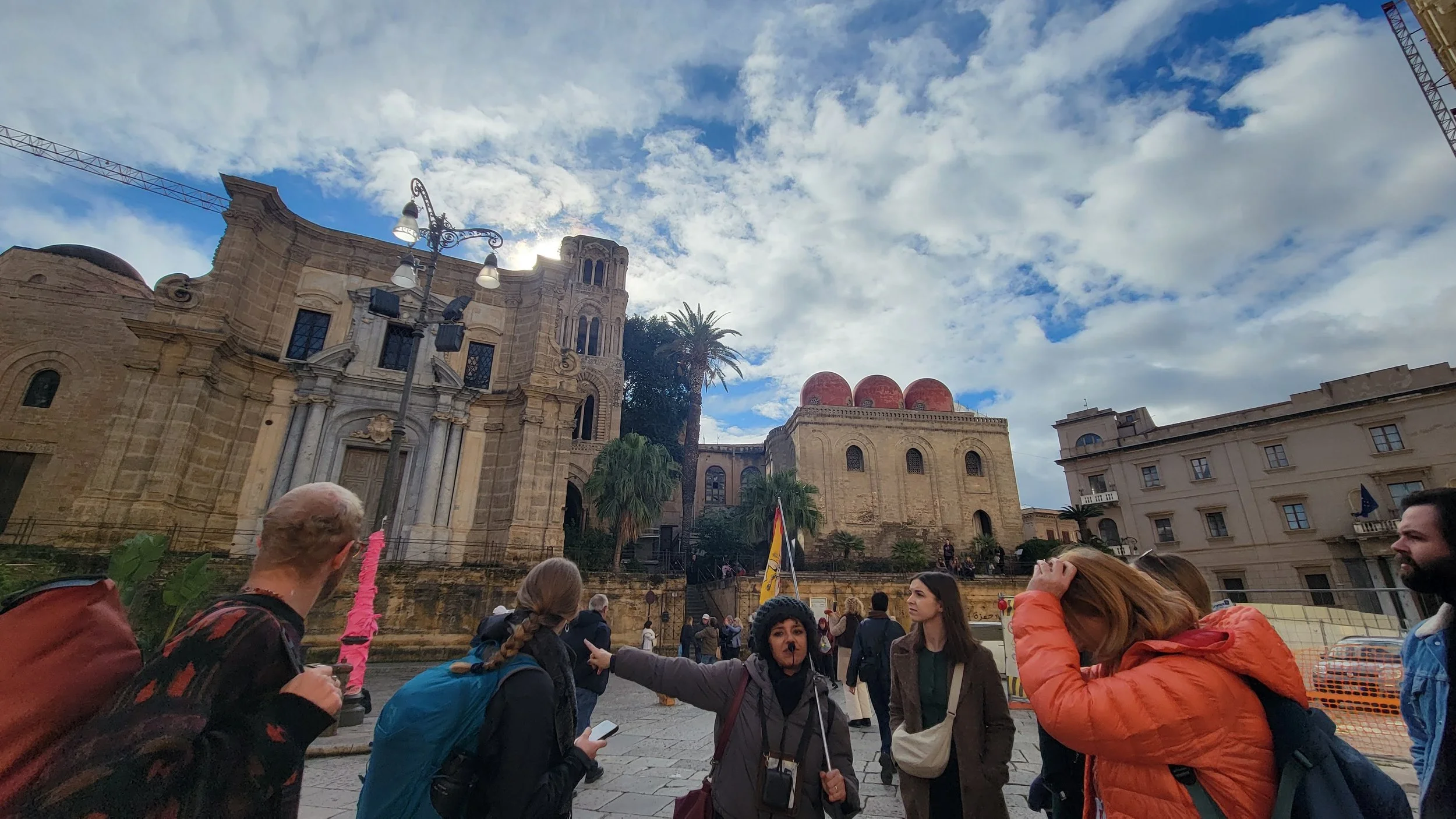
Walking tour in Piazza Bellini
Explore the Markets
The markets in Palermo are an absolute must-visit, vibrant and full of life! There are a few smaller markets, but the two main ones are Mercato di Ballaro and Mercato del Capo. Both are open daily and have incredible selections of fresh fruit, seafood, spices, and more. Ballaro is the larger of the two and seems to stretch on forever. Grab some food, fresh-squeezed juice or souvenirs to bring home.
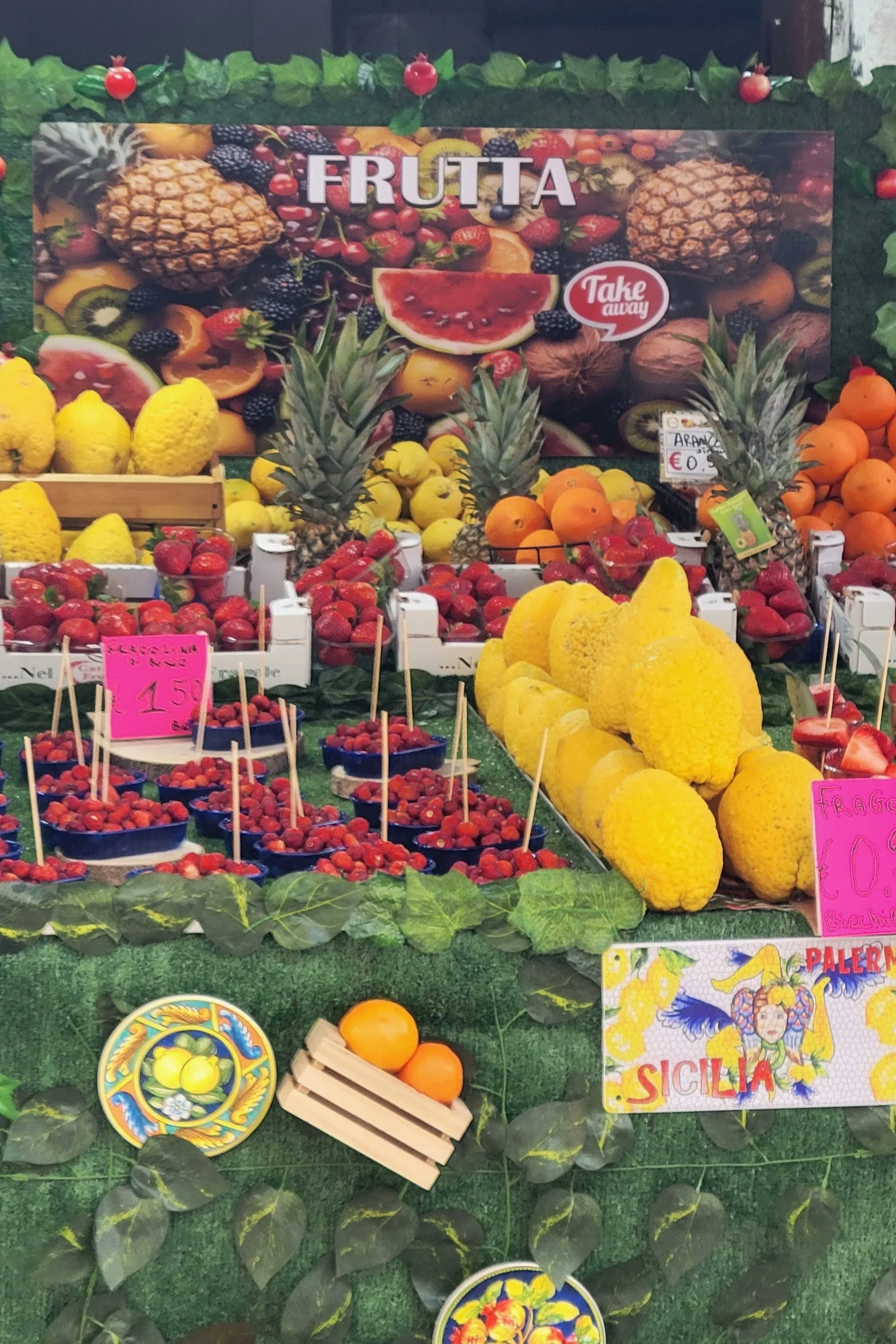
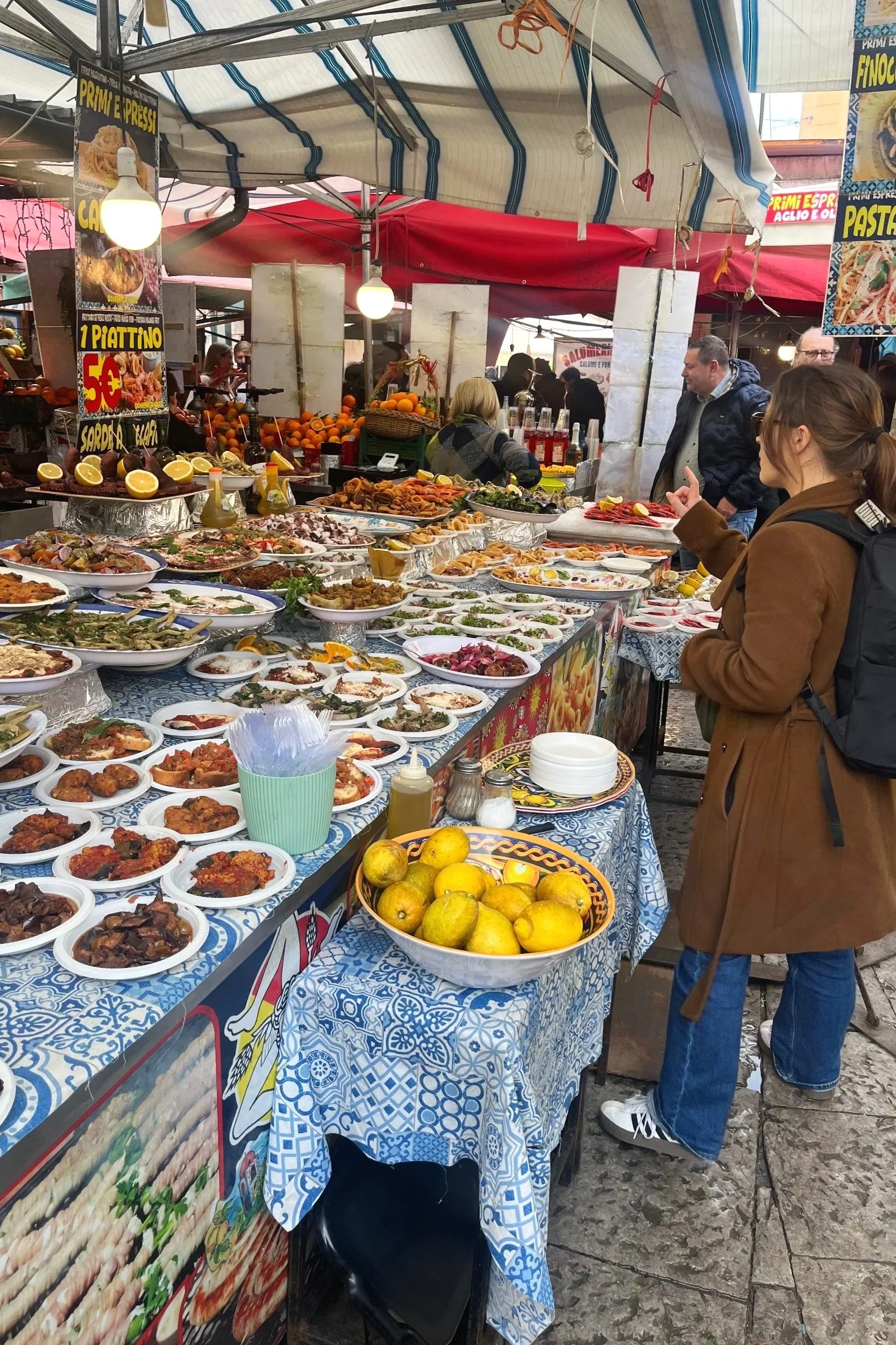
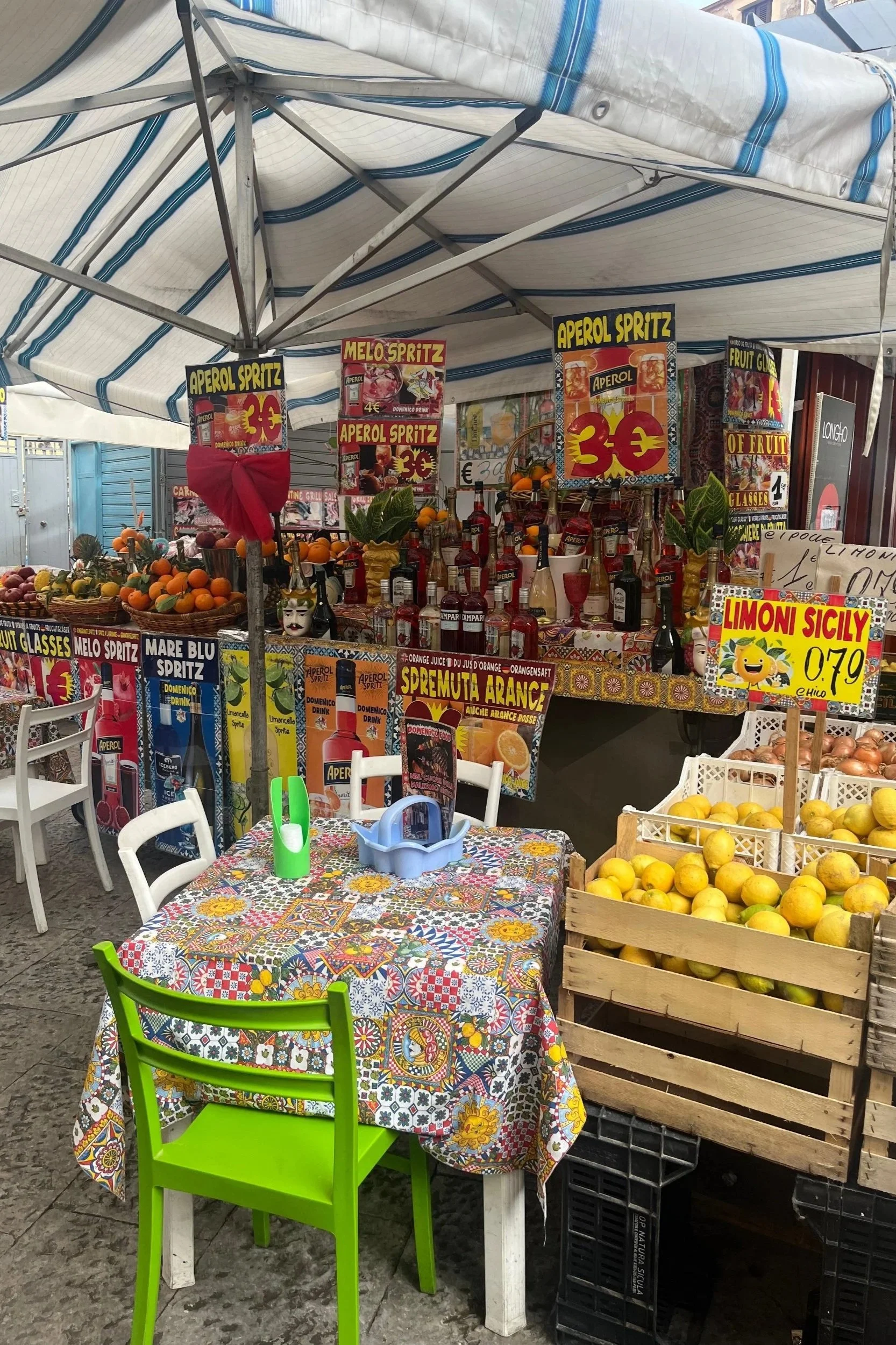
Suggestions to make the most of your time:
Go between 11 am and 2 pm to see the markets bustling with people. If you’d prefer to avoid the worst of the crowds, aim for closer to 10 am.
If you hear yelling, don’t be scared. It’s a long-standing tradition for the vendors to shout prices loudly to attract customers. Lean into the chaos!
Keep your valuables close. As with any crowded area, there is a risk of theft. We had no issues at all, but stay aware of your possessions and be smart.
Go hungry! This is the perfect place to enjoy some delicious, affordable, fresh food! Go during lunch and fill up on some local favourites.
Bring cash. Some vendors might be set up for card payments, but I wouldn’t count on it. Have cash on hand to avoid disappointment.
Walk the Palermo Esplanade
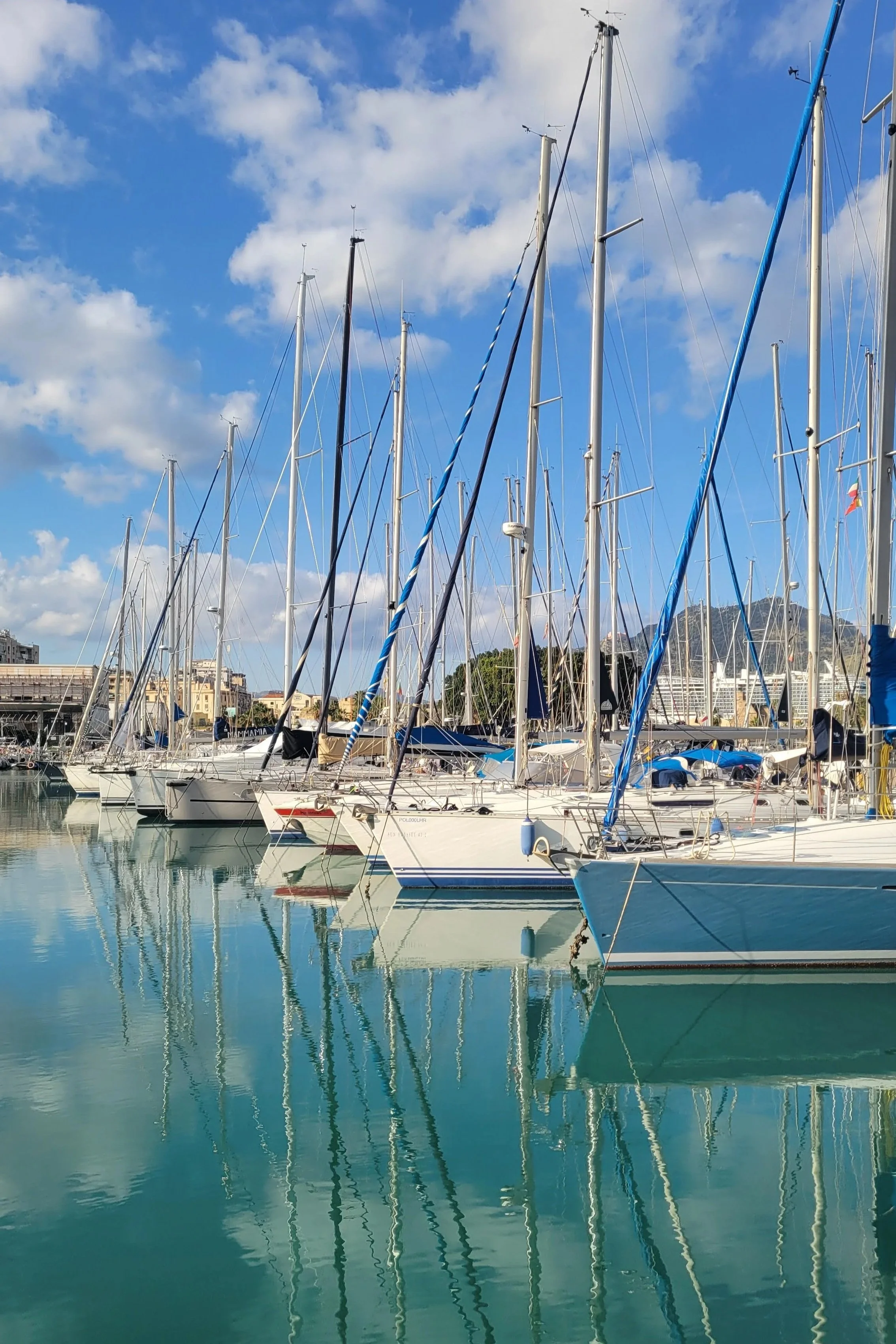
Take a stroll along the water, or grab a drink while enjoying the peaceful views of the marina. A laid-back passeggiata with nowhere to be is inherently Italian… and when in Sicilia, am I right? We spent our last few hours in the city at Ristorante A’Cala along the marina, enjoying a couple of drinks in the sun.
Must Try Food
If you’ve ever been to Italy — or even met an Italian for that matter — you probably have an understanding of how important food is to the culture. Like any other region in the country, Sicily has a strong regional food identity. Think: cannoli, arancine (yes, arancine with an -e in Palermo), ricotta, and sfincione (Sicily's version of pizza).
Recommendations from our visit:
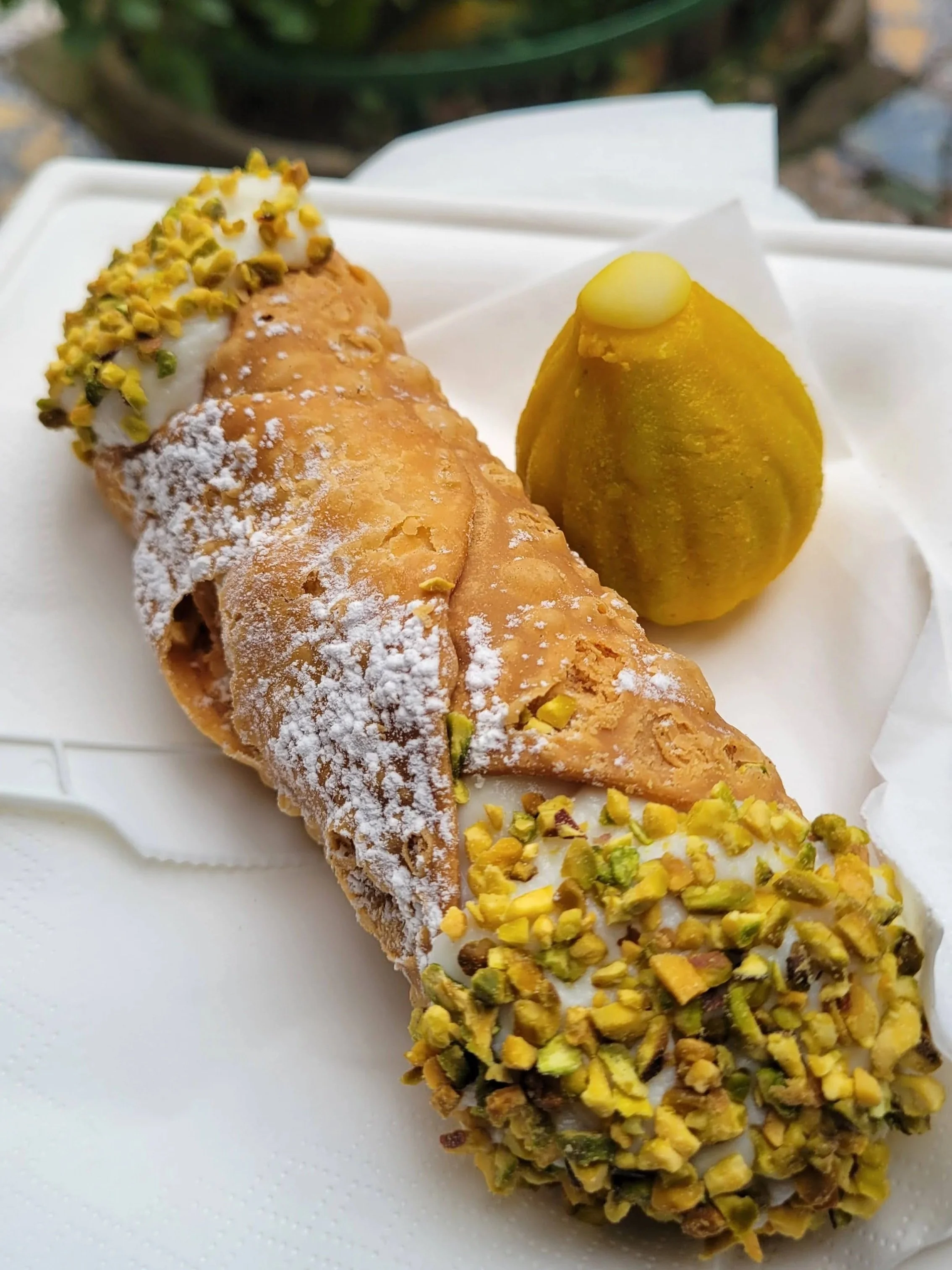
Cannoli at Segreti del Chiostro: So good we went back for a second! Located just off Piazza Bellini, you will find the entrance to the bakery located inside the convent where cloistered nuns used to live. The cannoli are filled with ricotta and garnished to order, and they are delicious. We got ours garnished with pistachios, but chocolate is also available.
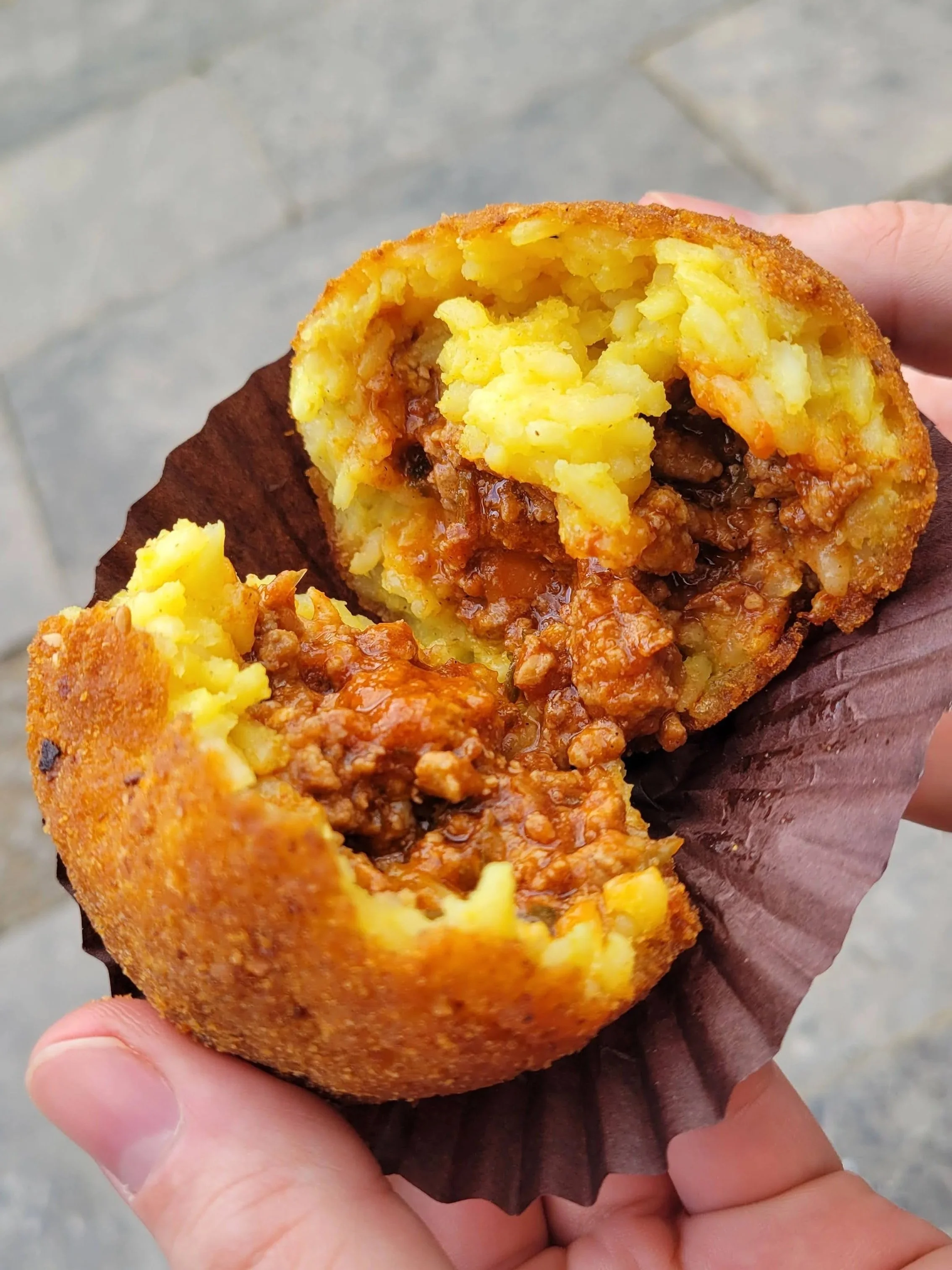
Arancine at Sfrigola: We got ten arancine total at five different places, all of them were delicious, but Sfrigola near Porta Nuova was our favourite. We grabbed both a classic carne and a chicken curry one, and they were both phenomenal. What set this place apart from all the others we had was that these were fried fresh to order. The extra wait time was entirely worth it! If you want to go on a little arancine tour, check out everywhere we went and our ratings here.
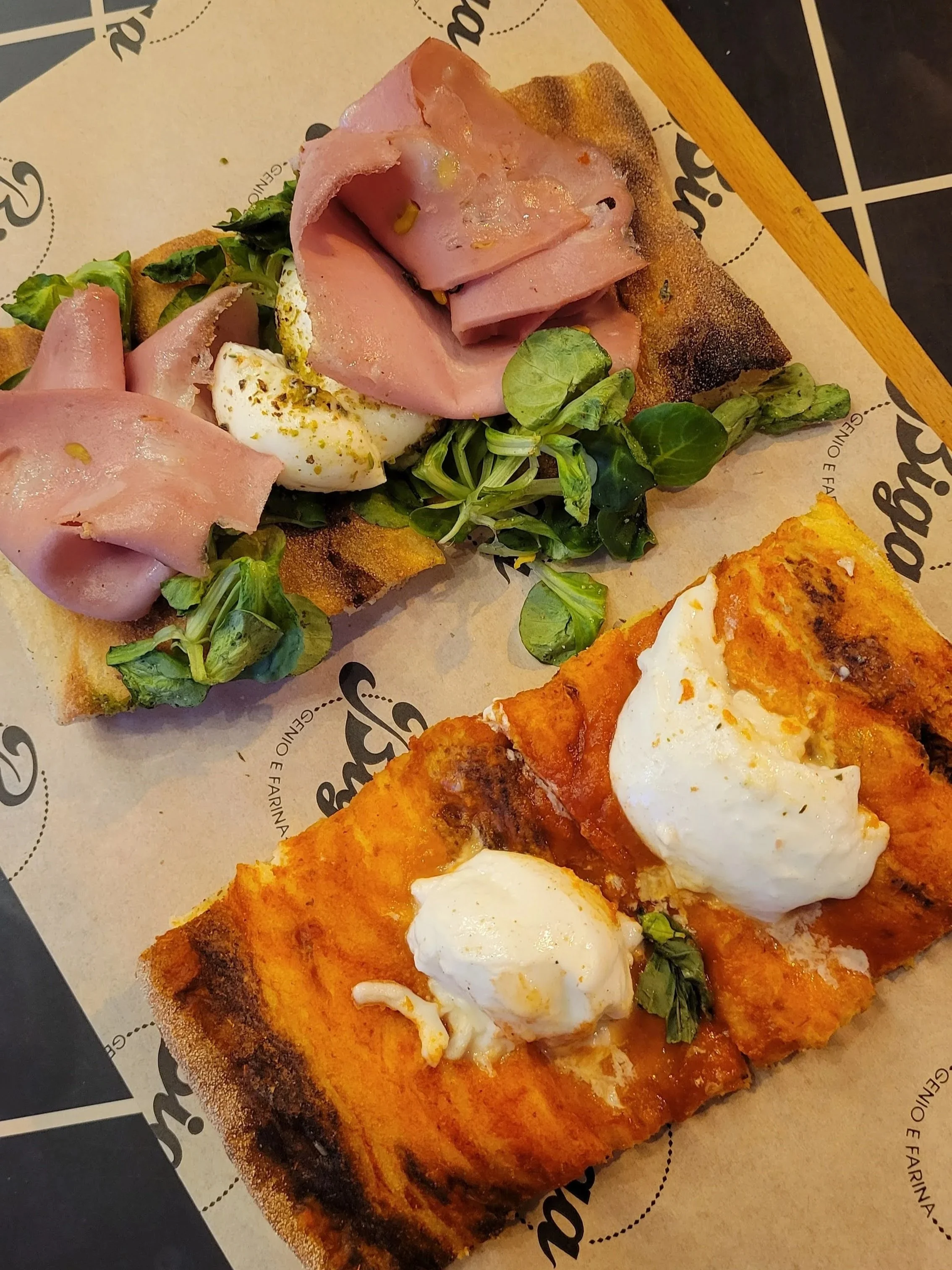
Sfincione at BIGA Genio e Farina: Compared to Neapolitan style pizza, which is all about the thin crust, Sfincione is thick and spongy… kind of like pizza on focaccia? We got two slices to share: the mortadella with pistachio and a buffalo mozzarella margherita.
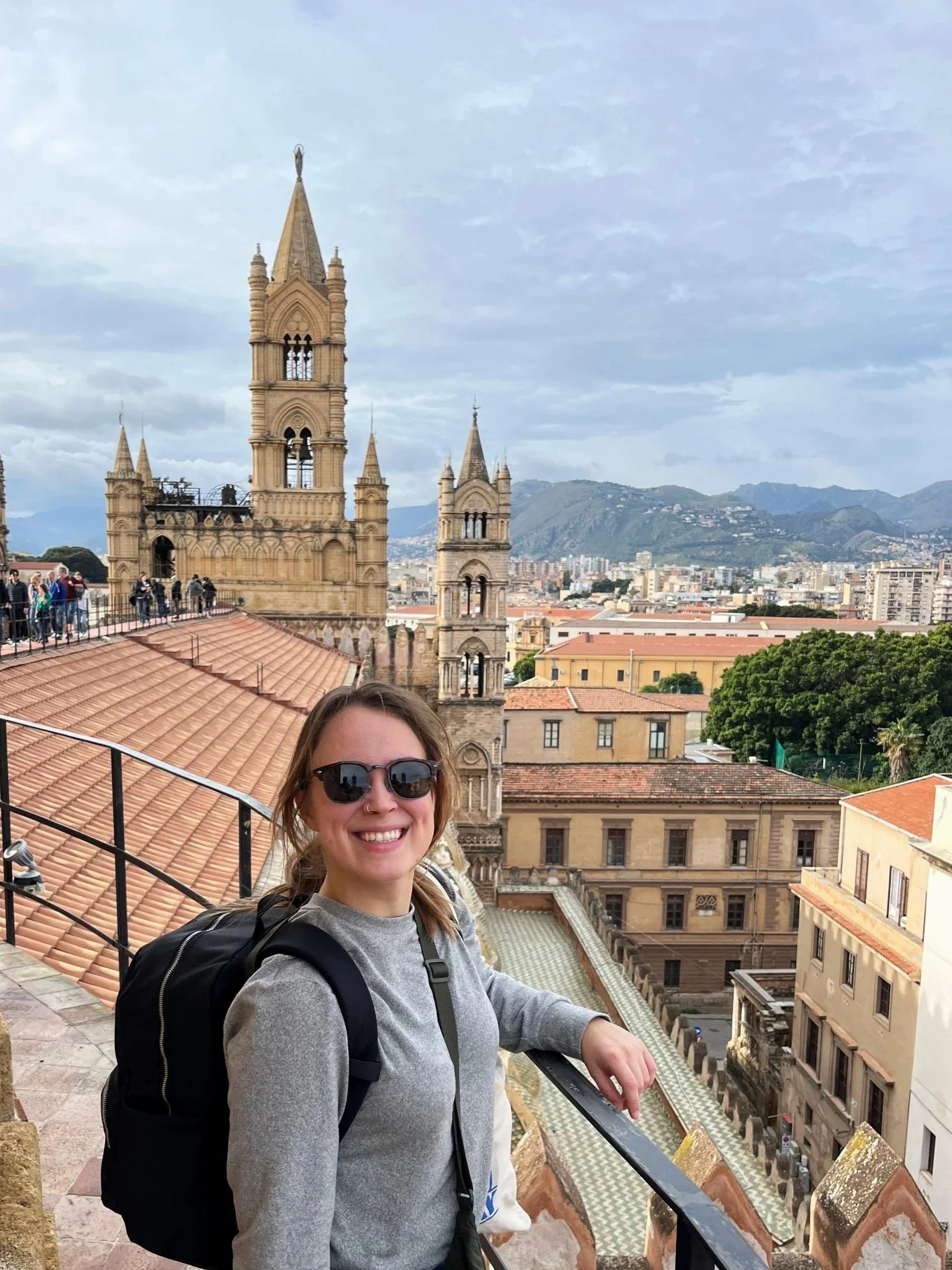
Palermo Cathedral rooftop view
What We Spent
Here’s everything we spent for two people during our two nights in Palermo during the off-season. These prices reflect everything we spent from the airport in Naples to Palermo and back again (omitting souvenirs).
Let’s break it down:
Flights: €60 round trip (thank you flight scanners!)
Train: €27 round trip to/from Palermo Airport
Accommodations: €105 (breakfast included)
Food and drinks: €131
Activities: €38
Misc: €24
________________________________________________________
Total: €385
Per Person: €192.5
